You receive the invitation, check the venue, and pause at the dress code: black-tie optional. The safest response is formal, not flashy. Choose one polished focal piece, keep the fit precise, and make sure your shoes and outer layer can handle the setting.
What Black-Tie Optional Actually Means
The safest reading of the dress code
Black-tie optional means the host expects eveningwear but allows guests to stop one step short of traditional black tie. A floor-length dress, formal jumpsuit, velvet tuxedo, or dark tailored suit will all work. The word optional does not mean casual. It means you can choose a refined alternative to a tuxedo or full-length gown.
For women, the strongest choices usually have evening fabric, a clean shape, and enough coverage for a formal room. Satin, velvet, crepe, silk, chiffon, and polished wool all signal occasion dressing. A simple black dress can look more correct than a bright cocktail dress if the cut and accessories feel intentional.
The line between polished and underdressed
A knee-length day dress, cotton sundress, denim jacket, casual boots, or thin jersey separates will usually miss the mark. So will a party outfit that relies on sequins, cutouts, or extreme volume without a formal silhouette underneath. Your goal is elegant restraint: one noticeable texture or color, balanced by quiet shoes, a small bag, and controlled jewelry.
When the invitation gives no further detail, dress for the more formal interpretation. You can remove a jacket or simplify jewelry later. It is much harder to make a casual outfit look appropriate after arriving at the venue.
How to Match the Outfit to the Venue
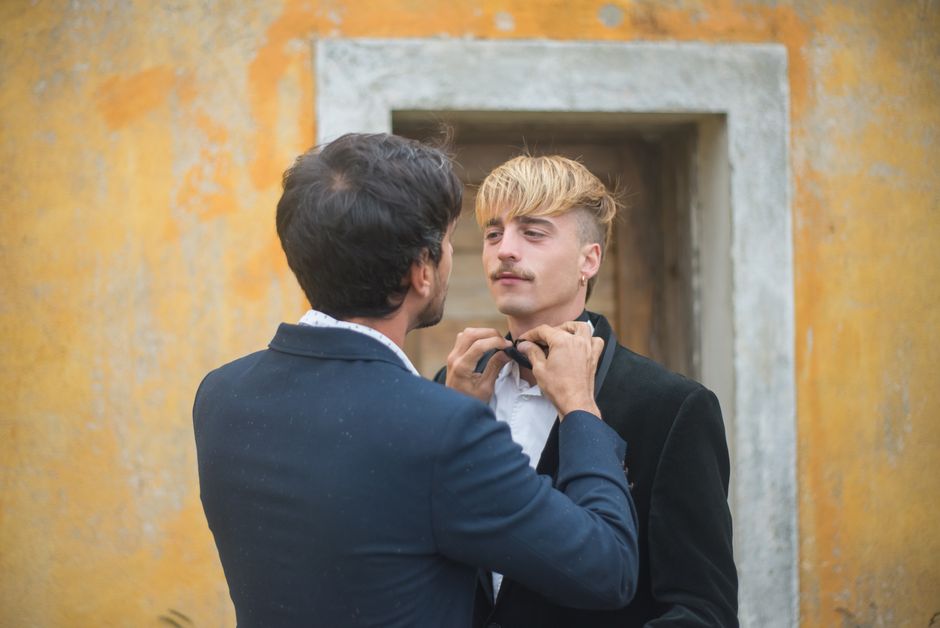
The venue gives you the missing information. A city ballroom, garden estate, hotel terrace, and restaurant dining room can all use the same dress code while calling for different fabrics and shoes. Use this quick guide before choosing a silhouette.
| Venue | Best outfit direction | Shoe choice | Useful layer |
|---|---|---|---|
| Hotel ballroom | Long satin dress or tuxedo suit | Pointed pump or strappy heel | Velvet blazer or long wool coat |
| Garden estate | Chiffon dress or elegant jumpsuit | Block heel, 2 to 3 inches | Cropped evening jacket |
| City restaurant | Column midi with formal accessories | Slingback or low stiletto | Structured wrap coat |
| Rooftop or terrace | Tailored separates or lined midi dress | Stable heel with grip | Silk scarf or tailored coat |
Choose shoes before the final hem
Put on the shoes you will wear before tailoring trousers or a long dress. A gown should skim the floor without catching under your heel. Wide-leg trousers need a hem that sits about one-quarter inch above the ground at the back. For outdoor events, a narrow stiletto can sink into grass or uneven paving, so a block heel is the better formal choice.
Plan for temperature and movement
A thin evening layer solves more problems than an extra accessory. Choose a coat, wrap, or jacket that covers the shoulders and does not crush the garment underneath. Avoid a bulky cardigan. It changes the visual line and makes a formal outfit look like officewear. The verdict is simple: let the venue choose the shoe, then let the shoe choose the hem.
Outfit 1: Velvet Tuxedo With Satin Trousers
A velvet tuxedo is the best choice for someone who wants a formal look without wearing a dress. It has the visual weight of eveningwear, but the separate pieces feel modern and practical. Choose a black, midnight navy, or deep emerald jacket with a shawl or peak lapel. Pair it with high-waisted satin trousers or sharply pressed wool trousers.
Build the proportions
Look for a jacket that ends around the upper hip and closes cleanly without pulling at the button. A single-button style creates a longer line. Trousers should sit at the natural waist and break lightly over the shoe. A silk camisole works underneath, but a crisp ivory shirt creates a stronger contrast for a winter event. Keep the neckline simple because velvet already provides texture.
Finish it without making it look corporate
Use a metallic clutch, crystal studs, and a pointed pump rather than a large tote or work bag. A satin lapel detail helps the jacket read as eveningwear. If you want a real-world price reference, the current Adrianna Papell Tie Front Wide Leg Crepe Jumpsuit at $189 shows how formal one-piece dressing can sit below luxury-suit prices, though a tuxedo separates outfit gives you more reuse.
Verdict: choose the velvet tuxedo when you want the sharpest, most comfortable alternative to a gown.
Outfit 2: A Floor-Length Satin Dress
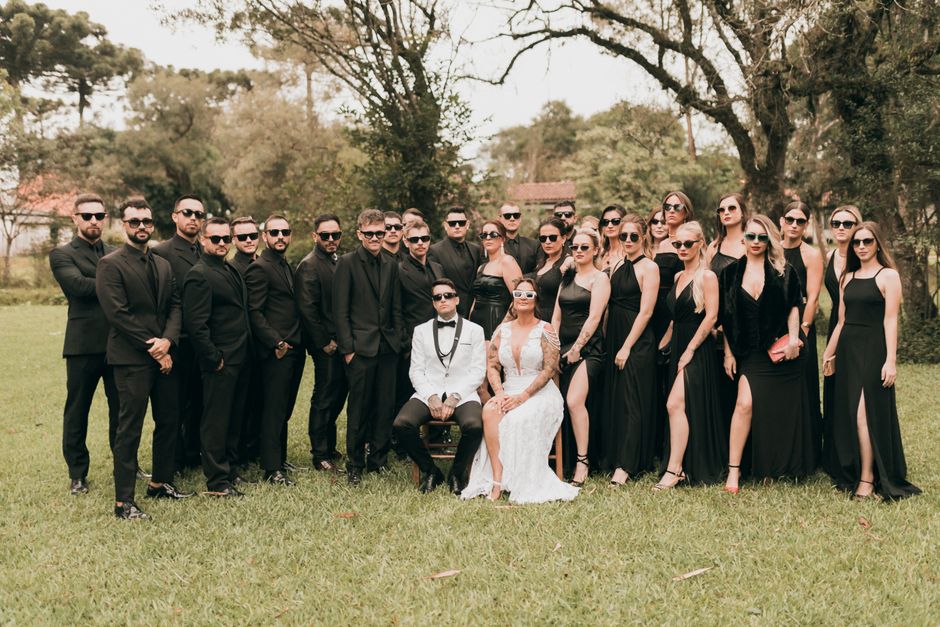
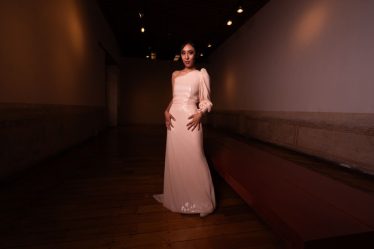
A floor-length satin dress is the clearest answer for a ballroom wedding, gala dinner, or formal charity event. The fabric reflects light, and the long line immediately meets the dress code. The key is fit. Satin reveals pulling, bunching, and poorly placed seams, so a modest neckline cannot rescue an incorrect size.
Pick a controlled silhouette
The most reliable shapes are a bias-cut column, a softly draped cowl-neck dress, or an A-line skirt with a fitted bodice. Black, navy, burgundy, forest green, and muted bronze photograph well in evening light. If the dress has a low back or high slit, keep the rest of the styling quiet. One dramatic detail looks elegant; three create competition.
Check the dress under real conditions
Try the dress while sitting, walking, and raising one arm. The slit should allow a full stride without exposing more than intended. Wear the bra, shapewear, and shoes planned for the event. A dress that looks perfect while standing barefoot may drag once the right undergarments change the waistline.
Do not buy a floor-length dress only because it appears more formal. Petite guests may get a cleaner result from a column midi with a matching evening shoe. Tall guests should check the total length and strap placement before ordering. The best satin dress is the one that stays smooth while you move, not the one with the most dramatic neckline.
Verdict: choose a long satin dress when the event is traditional and the room will reward a quiet, uninterrupted silhouette.
Outfit 3: Jewel-Tone Midi With Evening Accessories
A jewel-tone midi is the best option when a full-length dress feels too formal for the venue but a cocktail dress would feel too casual. The color supplies the visual interest. The accessories must supply the formality.
Use this four-step formula
- Choose a dress that falls below the knee and ideally reaches the lower calf. A wrapped waist, sculpted seam, or light drape gives the shape enough structure.
- Select a saturated shade such as sapphire, ruby, amethyst, or deep teal. Avoid pale daytime pastels and busy floral prints.
- Add one evening shoe. A metallic slingback, satin pump, or crystal-strap sandal works better than a casual leather heel.
- Carry a small clutch and keep jewelry deliberate. Choose earrings or a necklace as the main accent, then let the other pieces stay thin.
Make the midi feel intentional
The easiest failure is wearing a beautiful midi with daytime accessories. A large leather shoulder bag, denim jacket, opaque office tights, or chunky ankle boot will pull the outfit away from the dress code. If the weather is cold, choose sheer hosiery and a tailored coat rather than heavy layers.
A midi also works well for guests who need to walk across a venue, sit through a long dinner, or attend a reception in a smaller restaurant. It gives more movement than a gown and less risk than a short hem. For a semi-formal venue using black-tie optional language, this is the strongest balance of polish and practicality.
Verdict: choose the jewel-tone midi when you want the easiest outfit to wear from ceremony to dinner without looking overdressed.
Outfits 4 to 6: Three Strong Alternatives

Is a formal jumpsuit appropriate?
Yes, if it has a wide leg, clean neckline, and evening fabric. The Adrianna Papell Tie Front Wide Leg Crepe Jumpsuit is listed at $189, while the Lauren Ralph Lauren April One-Shoulder Georgette Jumpsuit is listed at $265. Both show the right direction: fluid fabric, a defined waist, and enough length to cover the shoe. Pick the Adrianna Papell style for comfort and size flexibility. Pick the Lauren Ralph Lauren version when you want a stronger shoulder line. The Max Mara Alamaro Wide Leg Jumpsuit, listed at $1,172.50 on sale from $1,675, is the luxury choice, but its price does not make it automatically better for one event.
Can dressy separates replace a dress?
Yes. Pair a silk camisole or fitted satin blouse with wide-leg trousers and a matching jacket. Keep the colors close, such as black with black or ivory with champagne, so the outfit reads as one evening look. This is the best option for someone who wants pieces that can return to a wardrobe after the event.
When does a dark suit work best?
A dark suit works for a guest who prefers tailored clothing or expects a mixed-gender crowd with varied interpretations of the dress code. Choose charcoal, midnight navy, or black wool with a white or pale blue shirt, a silk tie, and polished leather shoes. Skip business pinstripes and a standard office briefcase. The best of these three choices is the formal jumpsuit for comfort, dressy separates for repeat wear, and the dark suit for clean tailoring.
Mistakes That Make Formal Outfits Look Casual
Most dress-code mistakes come from small details, not the main garment. A good dress can look unfinished when the shoes, bag, or fit belong to another setting.
Fix the common weak points
- Wrong fabric: cotton poplin, thin jersey, linen, and casual knitwear usually read daytime. Choose crepe, silk, satin, velvet, chiffon, or substantial wool.
- Unfinished hems: long trousers that pool or a dress that catches under the heel will make you look uncomfortable. Alter both before the event.
- Day bags: a large tote overwhelms evening clothing. Use a clutch or small shoulder bag that holds only your phone, cardholder, lipstick, and keys.
- Too many focal points: sequins, a deep neckline, a dramatic slit, oversized earrings, and bright shoes do not need to appear together.
- Wrong undergarments: visible straps, lines, and slipping cups distract from the outfit. Test the full base layer in daylight and under indoor lighting.
Know when not to force a trend
Do not choose a sheer skirt, extreme cutout, or very short hem just because it appears in current evening collections. If you will spend the night adjusting it, it is the wrong outfit. A formal event rewards ease, clean posture, and clothes that stay in place. Fit beats decoration every time.
Verdict: remove one accessory before leaving home, then check the hem, bag, and outer layer in a full-length mirror.
Final Choice: Dress for the Formal End of the Invitation
If you are still uncertain, choose the most formal version you can wear comfortably: a velvet tuxedo, a long satin dress, or a tailored jumpsuit with evening shoes. Black-tie optional gives you room to personalize the outfit, but it still asks for polish from head to toe.
Use the event details as your final filter
Ballroom means longer and more traditional. Garden means stable shoes and a lighter layer. Restaurant means a refined midi or separates. A rooftop means a secure shoe and an outer layer that protects the silhouette. These decisions matter more than copying a celebrity look or chasing a seasonal color.
The single best rule
Choose one formal anchor, fit every piece around it, and stop styling once the outfit looks complete. The right black-tie optional outfit is the one that lets you enter the room feeling prepared, not the one that requires constant correction.
The most reliable choice for a black-tie optional event is a polished, well-fitted outfit dressed for the formal end of the invitation.