A formal kurta works when its fabric, length, collar, and trousers look intentional together. The right choice can carry you through a wedding, reception, festive dinner, or cultural office event without looking like casual weekend wear.
What Makes a Men’s Kurta Formal?
The word formal does not mean heavily embroidered. It describes the total impression: clean construction, controlled detail, polished fabric, and a silhouette that holds its shape. A plain kurta in fine cotton-silk can look more formal than a shiny shirt covered in decoration.
Use the fabric and finish as your first test
Formal kurtas usually have a smoother surface, fewer visible wrinkles, and a collar that stays upright. Cotton-silk, silk blends, jacquard, fine linen, and dense cotton can all work. Very thin cotton, loose jersey, and rough handloom textures usually read as relaxed. Check the inside seams too. A lined placket, even stitching, and covered buttons show better construction than loose threads and uneven hems.
Match the formality to the event
| Event | Best kurta direction | Pair with | Avoid |
|---|---|---|---|
| Day wedding | Ivory, pale blue, sage, or beige cotton-silk | White trousers and tan loafers | Heavy black embroidery |
| Evening reception | Deep navy, charcoal, burgundy, or bottle green | Tapered trousers and leather loafers | Bright sports sneakers |
| Festive dinner | Textured silk blend with restrained detailing | Matching churidar or straight pants | Beach-weight linen |
| Cultural office event | Solid cotton or linen in a muted shade | Tailored trousers and minimal leather shoes | Sequins and oversized motifs |
Verdict: For formal dress men kurta styling, choose a clean solid or lightly textured kurta first. Decoration should support the outfit, not carry it.
How Should a Formal Kurta Fit?
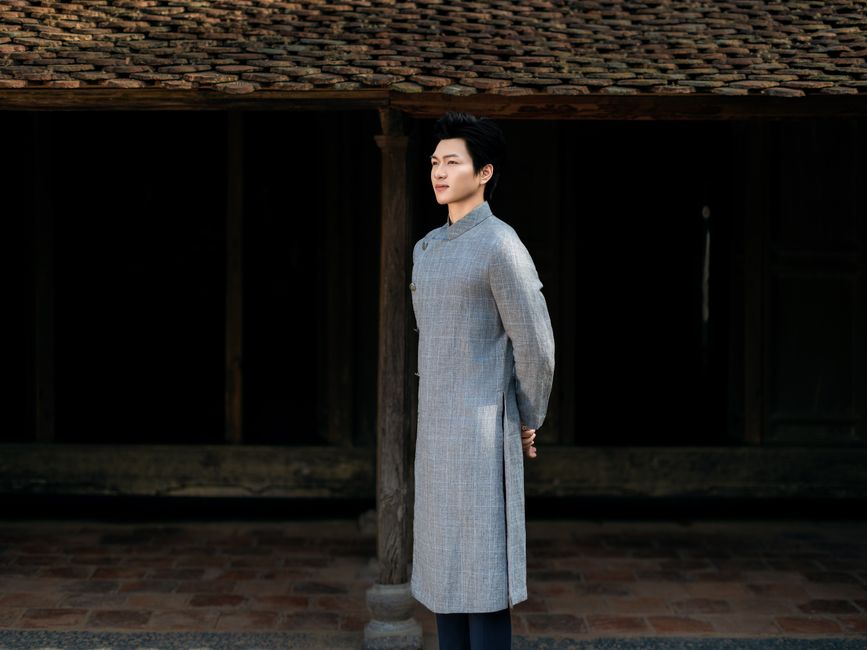
Fit matters more than brand name. A formal kurta should skim the body while leaving enough room to sit, raise your arms, and breathe after a meal. The shape should look straight from the chest to the hip, not cling to the stomach or hang like a nightshirt.
Check the shoulder, chest, and sleeve
The shoulder seam should finish close to the point where your shoulder drops. If it falls several centimeters down the arm, the kurta is too large. If it sits on top of the shoulder and creates pulling across the upper back, it is too small. Button the top of the placket and take a full breath. The fabric should not form diagonal stress lines from the collar toward the armpit.
For a balanced formal shape, leave about 8 to 12 centimeters of ease around the chest. This is a guide, not a universal rule, because body shape and fabric stretch change the result. Sleeves should end near the wrist bone. A cuff that covers the hand makes the outfit look borrowed, while a sleeve stopping above the wrist looks careless.
Get the hem and side openings right
A traditional long kurta often reaches the middle of the knee, but formal western-facing versions may finish several centimeters above it. The correct length depends on the trousers. With slim churidar trousers, a longer hem creates a classic line. With straight pants, a hem around the lower thigh to knee keeps the outfit sharper.
Try sitting down before buying. The side openings should not pull across the hips, and the hem should not rise dramatically in front. The placket must lie flat. If the garment looks good only while you stand still, it is not a reliable formal choice. For men between sizes, buy for the shoulder and chest, then shorten the sleeves or hem with a tailor. Altering a shoulder is harder and often ruins the balance.
Verdict: Buy the size that fits your shoulders and upper chest. Minor tailoring creates a polished kurta; sizing down to fake a slim shape creates wrinkles and restricted movement.
Which Fabrics Work Best for Formal Kurta Dress?
Fabric controls comfort, drape, shine, and how quickly the outfit looks tired. A formal kurta needs enough weight to fall straight, but it must still suit the temperature and length of the event. Silk blends look rich under evening lights. Cotton remains safer for warm daytime ceremonies. Linen can look refined, but only when you accept some natural creasing.
Best options by season and setting
| Fabric | Strength | Weakness | Best use |
|---|---|---|---|
| Fine cotton | Breathable and easy to wash | Can crease quickly | Day events and office celebrations |
| Cotton-silk blend | Better drape with moderate shine | Needs gentler washing | Weddings and evening dinners |
| Linen | Cool and visibly textured | Wrinkles more than other fabrics | Outdoor daytime events |
| Jacquard or silk blend | Structured and dressy | Can feel warm or look flashy | Receptions and formal festivals |
Realistic product benchmarks
Fabindia Men’s Pure Cotton Kurta is a strong daytime reference because its cotton construction feels less precious and usually sits in the ₹2,500 to ₹3,500 range, depending on color and sale pricing. Manyavar Men’s Cotton Silk Kurta is the better evening benchmark, with a smoother drape and typical prices around ₹2,000 to ₹3,000. Tasva Men’s Textured Kurta usually offers a dressier surface in the ₹2,500 to ₹4,000 range.
These prices can change by size, retailer, collection, and discount period, so treat them as buying benchmarks rather than promises. Touch the fabric when possible. Hold it toward light to check transparency, then pinch the front and release it. If the crease remains sharply folded after a few seconds, expect more pressing before every event.
Verdict: Choose cotton for heat and repeated wear, cotton-silk for a wedding, and a textured silk blend for evening formality. The cotton-silk middle ground is the safest single purchase.
Which Kurta Colors and Details Look Most Formal?
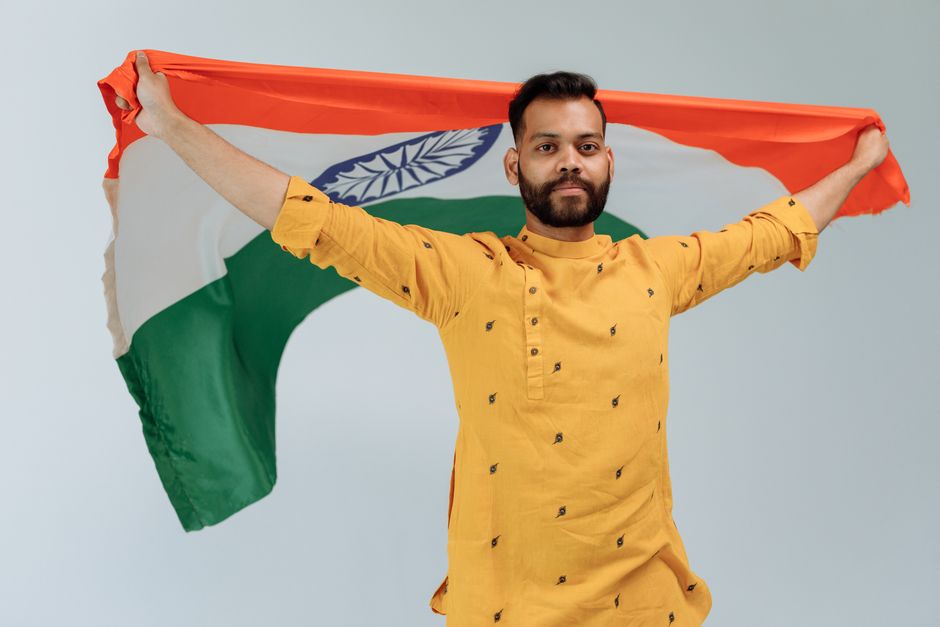
Color should match the time, lighting, and trousers. Ivory and beige look elegant during the day, while navy, charcoal, burgundy, and deep green gain depth at night. Pure white can look crisp, but it also shows stains and transparent fabric quickly.
Keep decoration controlled
A band collar between 3 and 4 centimeters high looks formal without feeling theatrical. Tonal embroidery, covered buttons, a subtle jacquard pattern, or a narrow contrast placket adds interest. Large gold motifs, reflective thread, and dense chest embroidery push the outfit toward wedding-party wear rather than versatile formal dressing.
Use contrast with purpose
Pair a light kurta with white, cream, or tan trousers for daytime. Pair a dark kurta with black, charcoal, or matching trousers after sunset. Avoid a perfect color match across every item; a small shift in tone gives the outfit shape. Verdict: A solid navy or ivory kurta with restrained detailing is the most useful choice for men who want one formal option that works across several events.
How Do You Style a Formal Kurta for Different Events?
Start with the event, then build the outfit in order. Shoes and trousers can change the same kurta from relaxed to formal.
Use this five-step dressing order
- Choose the base: Start with a solid or lightly textured kurta in cotton-silk, fine cotton, or linen.
- Set the trouser line: Use straight pants for a modern silhouette, churidar trousers for a traditional line, or tailored trousers for a sharper office setting.
- Control the footwear: Tan leather loafers suit ivory and beige. Black loafers suit navy, charcoal, and burgundy. Clean juttis work for weddings when their decoration stays restrained.
- Add one layer only: A Nehru jacket or simple waistcoat can increase formality. Do not combine a busy kurta, patterned jacket, embroidered stole, and ornate shoes.
- Finish the proportions: Keep the jacket slightly shorter than the kurta hem. Make sure the trouser break is clean and the kurta sleeves end at the wrist bone.
Three reliable outfit formulas
- For a daytime wedding, wear an ivory cotton-silk kurta, white straight pants, tan loafers, and a pale beige pocket square.
- For an evening reception, wear a navy textured kurta, charcoal trousers, black loafers, and a slim watch.
- For a cultural office event, wear a pale blue cotton kurta, tailored navy trousers, brown loafers, and no extra jacket.
House of Pataudi Men’s Regular Fit Kurta, often priced around ₹1,500 to ₹2,500, can work for the office formula when the color is solid and the fit is close. An embroidered Anouk Men’s Woven Design Kurta, often around ₹1,200 to ₹1,800, is better for a festive gathering than a conservative work event. Verdict: Build the outfit around clean trousers and shoes; accessories should remain secondary.
What Are the Most Common Formal Kurta Buying Mistakes?
Most disappointing purchases fail in the fitting room, not at the event. Use these questions before paying.
Why does a kurta look formal online but casual in person?
Product photos often use bright lighting, styled trousers, and careful steaming. Check the fabric description, lining, collar height, and close-up images. A thin cotton kurta with a soft, collapsing collar will not create the same shape as the photograph. Also check the size chart instead of buying your usual shirt size. Kurta measurements vary widely between brands.
What should you reject immediately?
Reject a garment that pulls across the buttons, exposes the chest when you sit, or has a sleeve that covers your palm. Reject shiny polyester that traps heat and shows every fold under indoor light. Avoid buying a heavily embellished style for a single event if you cannot name two other occasions where you would wear it. A low price is not a saving when the kurta needs expensive alterations or stays in the wardrobe.
Another common mistake is buying trousers in a different formality level. A refined kurta with faded jeans can be a deliberate fusion outfit, but it is not formal dress. Likewise, ornate wedding shoes can make a simple office kurta look mismatched. Verdict: The safest purchase passes three checks: comfortable movement, a flat placket while seated, and at least two realistic future uses.
Which Formal Dress Men Kurta Should You Buy?
My clear pick is a medium-weight cotton-silk kurta in navy, ivory, or deep green with a straight cut and minimal decoration. It offers the best balance of structure, comfort, repeat wear, and event range. A very casual cotton style may wrinkle before dinner, while a heavily embroidered silk style can become impractical after one celebration.
Match the product to the buyer
| Buyer priority | Product benchmark | Typical price | Why it wins |
|---|---|---|---|
| Breathable daytime wear | Fabindia Men’s Pure Cotton Kurta | ₹2,500–₹3,500 | Easy fabric and restrained appearance |
| One versatile wedding option | Manyavar Men’s Cotton Silk Kurta | ₹2,000–₹3,000 | Balanced drape and moderate shine |
| More visible evening texture | Tasva Men’s Textured Kurta | ₹2,500–₹4,000 | Dressier surface without full embroidery |
| Lower-cost festive option | House of Pataudi Men’s Regular Fit Kurta | ₹1,500–₹2,500 | Useful for occasional celebrations |
When not to buy a kurta
Do not choose a kurta when the invitation calls for a business suit, tuxedo, or strict Western formalwear. Do not buy silk for an outdoor summer ceremony if you will spend hours in direct heat. Do not choose a long traditional cut if you prefer tailored trousers and a short modern jacket; a shorter straight kurta will look more natural.
For most shoppers, the Manyavar cotton-silk option is the strongest all-round choice because it covers weddings, dinners, and festive events without demanding a complete new wardrobe. Buy for the shoulder, check the hem while seated, and budget for small tailoring adjustments. That combination will produce a more formal result than paying extra for decoration.