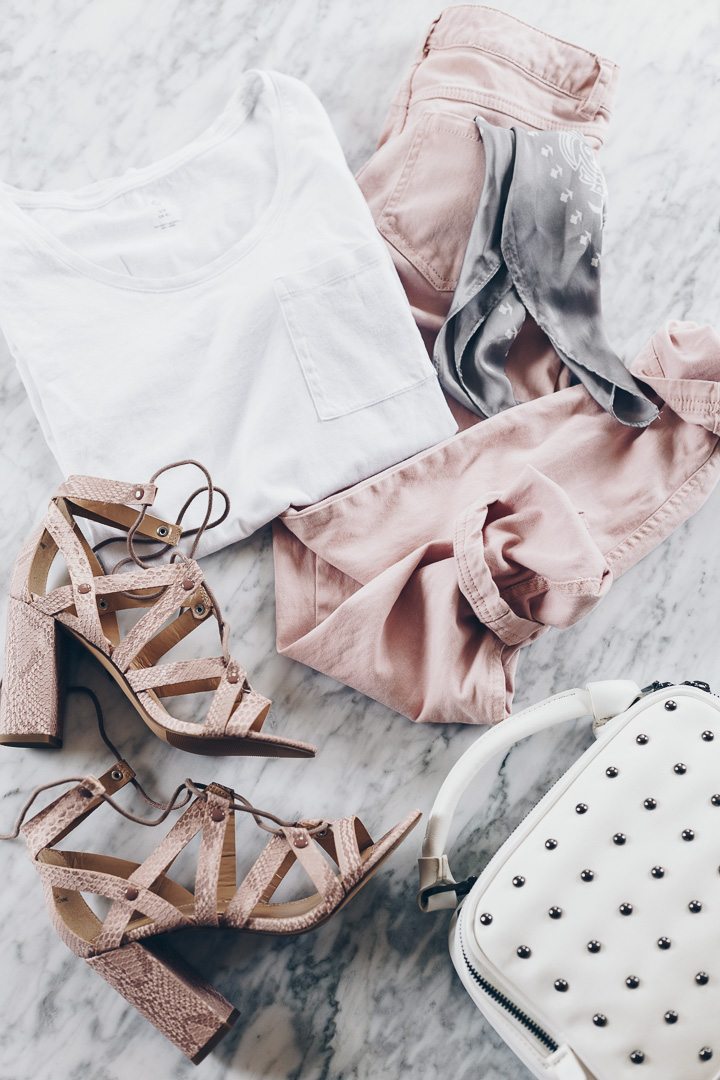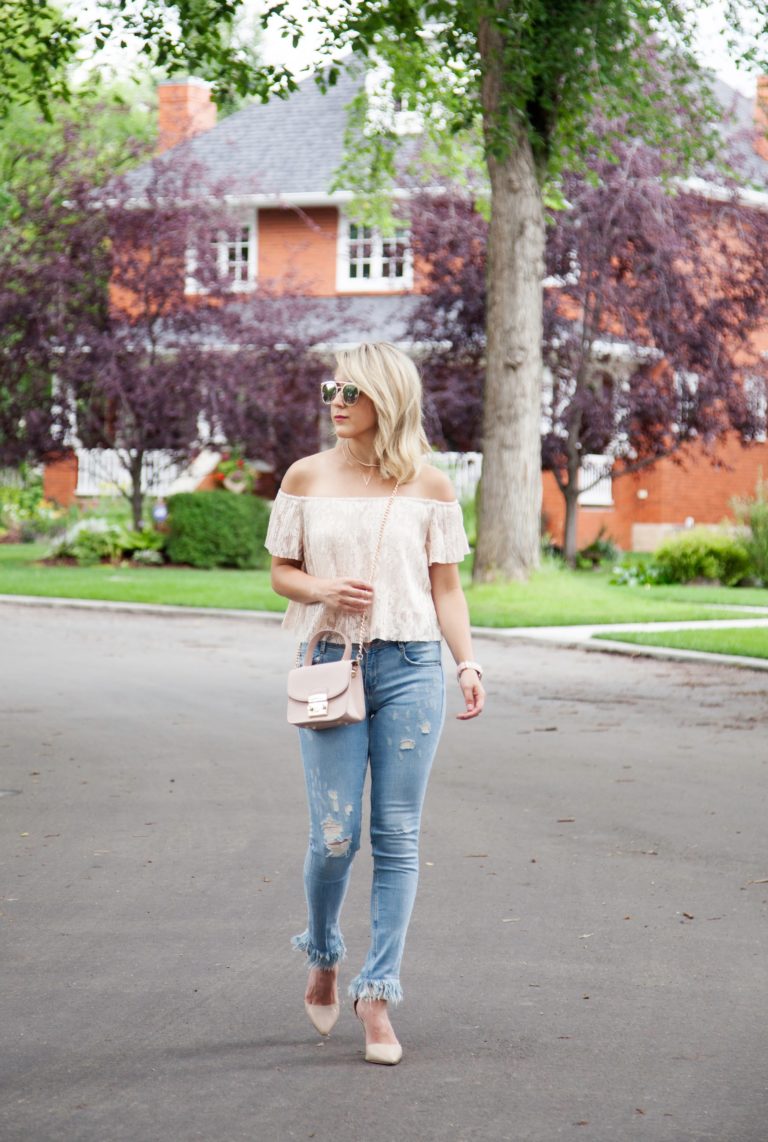
Beige, sand, and blush tones account for roughly a third of all women’s fashion sales every year. That’s an enormous amount of clothing. And yet the most common complaint I hear from people who’ve committed to a neutral wardrobe is some version of the same thing: I look tired. I look boring. Nothing seems to work together.
I’ve worn almost exclusively neutrals and blushes for years. I’ve made every mistake — bought the wrong nudes, layered clashing undertones, and told myself that all neutrals are interchangeable. They’re not. Here’s what actually separates a polished neutral palette from a washed-out one.
Why “Nude” Is Not a Single Color
This is the foundation of everything else, and it’s where most people go wrong immediately.
The fashion industry spent decades treating “nude” as a synonym for beige — specifically, a warm yellow-based beige that roughly matches light to medium fair skin. SKIMS changed this conversation more than any other brand. When Kim Kardashian launched bodysuits in nine shades from “Sand” to “Cocoa,” it forced a public reckoning: nude is the color closest to your skin tone, not a universal standard.
What “Nude” Actually Looks Like Across Skin Tones
For fair skin with pink or neutral undertones, nude is ivory, champagne, or pale blush — not beige. Beige on very fair, cool-toned skin looks jaundiced. For medium skin, nude lands in the caramel, warm sand, or honey range. For deeper skin tones, nude means rich brown, terracotta, or deep bronze.
When Zara or Mango labels something “nude” in their lookbooks, they almost always mean beige-pink for light skin. That’s not a moral judgment — it’s just how the industry has historically worked. Know this going in, and stop buying pieces labeled “nude” expecting them to actually read as nude against your skin.
The Undertone Problem Nobody Talks About
Even within the same skin tone range, undertones determine everything. I have medium-warm olive skin. For years I bought nudes in the right lightness — but with pink undertones. They made me look gray and drained. The moment I switched to pieces with yellow or peach undertones (Uniqlo’s “Natural” linen range and Banana Republic’s “Sand” palette are both reliable here), the difference was immediate. Suddenly I looked healthy instead of exhausted.
Your undertone — warm (yellow/peach), cool (pink/blue), or neutral — determines which end of the nude spectrum actually works. Nail this first. Everything else builds on it.
Warm vs. Cool Neutrals: Stop Mixing Them in One Outfit
My clearest opinion: mixing warm and cool neutrals in a single outfit is the fastest way to make expensive clothes look cheap.
Warm neutrals are camel, sand, ivory, cream, tan, and terracotta. Cool neutrals are gray, slate, dove white, and taupe with pink or blue undertones. The confusion happens because “taupe” and “greige” exist in both camps. A warm greige looks completely different from a cool greige at the same lightness value — and pairing them reads as an accident, not a choice.
COS is excellent at staying within a consistent temperature in their seasonal collections. Their recent lineups keep everything in warm oatmeal, ecru, and stone — pieces that stack cleanly because they’re all speaking the same thermal language. Compare that to buying a warm-beige blazer from Zara and pairing it with a cool gray-taupe trouser from & Other Stories: close enough to look like an error, different enough to read as mismatched.
The fix is simple: hold any new piece next to the existing item you plan to pair it with in natural light. Warm next to cool will show you the dissonance immediately. If they feel like they’re fighting each other, one of them is the wrong temperature for your outfit. You can absolutely mix warm and cool neutrals across different outfits — just not within the same look unless you’re doing it with strong deliberate contrast, like ivory against charcoal.
Also: greige is not a safe neutral bridge. People buy greige thinking it plays both sides. It doesn’t. Every greige piece has a clear warm or cool lean — figure out which direction before adding it to an existing look.
Why Blush Washes You Out (And How to Fix It)
Blush is trickier than neutrals because it carries actual color. Dusty rose, mauve, ballet pink, peach-pink — these are all “blush,” but they behave very differently depending on your complexion and what you pair them with.
Does blush wash out pale skin?
Only if you buy the wrong blush. Icy, true pink blushes — think Barbie pink desaturated to about 30% saturation — can flatten very fair, cool-toned skin until you disappear entirely. What works instead: dusty mauve or warm rose with enough brown depth to give the shade some weight. Aritzia’s Wilfred line handles this well. Their “Antique Rose” pieces have warmth and muting that photograph well on fair skin without reading as a color correction gone wrong.
Does blush work on deeper skin tones?
Yes, but lean toward coral-blush or terracotta-blush rather than pale pink. A washed-out baby pink dress on deep skin doesn’t read as blush — it reads as the wrong color entirely. What actually registers as blush on deeper skin tones is something in the dusty rose-peach or muted salmon range. Massimo Dutti’s structured blazers in their deeper blush-peach tones get this right — the color reads as a genuine soft accent, not an error in the dye lot.
When should you skip blush entirely?
If your skin has strong warm undertones — olive, golden — and you’re building a clean neutral look, blush often fights you. Warm-toned skin reads better in warm sand, camel, or ecru. Blush introduces a pink-cool shift that clashes subtly but noticeably. I learned this after buying an H&M Studio blush midi dress that looked stunning on the hanger and wrong on me every single time I wore it. Beautiful piece. Completely wrong color for my undertone.
How to Build a Neutral Wardrobe That Doesn’t Look Flat
The all-neutral outfit fails for one reason: no visual interruption. Your eye needs somewhere to land. Here’s how to give it that without adding real color:
- Vary texture, not hue. A cream silk blouse over ivory linen trousers works because the materials catch light differently. Both can be the same “cream” and still create visual contrast. Uniqlo’s linen basics ($30–$50) and their Supima cotton pieces ($25–$45) are solid starting points — priced to let you build a layered neutral wardrobe without a big budget.
- One dark anchor per outfit. The all-light-neutral look needs something to ground it. Dark camel, rich tan leather, deep stone. A cognac belt or a chocolate brown bag — even a $60 leather belt from ASOS — creates hierarchy without breaking the palette.
- Use proportion as your visual element. Oversized top, tailored bottom. Or the reverse. The structural contrast does what patterns usually do in other outfits.
- Let three off-whites sit together on purpose. Bone-white blazer, cream trousers, ivory top — three slightly different whites reads as intentional layering, not a failed match. The gap between them needs to be visible. If the difference is too subtle, it just looks like you tried to match and missed.
- Black is not a neutral in this palette. This is the most common mistake. Black creates a completely different visual language from blush and nude. If you want a dark anchor in a blush-neutral outfit, go deep chocolate or espresso — not black.
Which Neutrals, Nudes, and Blushes Work for Your Skin Tone
Here’s the reference I wish I’d had years ago. Use this as a starting point — not a rule you can never break, but a lane that actually works before you start experimenting beyond it.
| Skin Tone | Best Neutrals | Best Nudes | Best Blushes | Avoid |
|---|---|---|---|---|
| Fair, Cool (pink/blue undertone) | Cool greige, dove gray, soft white | Pale champagne, soft ivory | Dusty mauve, muted lavender-pink | Warm beige, yellow-cream |
| Fair, Warm (peachy/yellow undertone) | Warm ecru, oatmeal, cream | Peach-ivory, warm sand | Peach-blush, warm rose | Icy pink, cool gray |
| Medium, Warm (olive/golden) | Camel, tan, warm stone | Honey, warm sand, caramel | Terracotta-blush, dusty peach | Pale pink blush, cool beige |
| Medium, Cool (neutral/pink) | Greige, taupe, warm gray | Rose-beige, medium nude | Dusty rose, antique pink | Strong orange-camel, yellow-tan |
| Deep, Warm | Rich camel, cognac, rust | Terracotta, deep bronze | Coral-blush, warm salmon | Pale blush, ivory |
| Deep, Cool | Charcoal, cool brown, slate | Rich cocoa, cool espresso | Berry-blush, rose-brown | Warm beige, camel |
Screenshot this table. The number of times I’ve stood in a fitting room knowing something felt off but unable to name exactly why — this would have saved me hundreds of dollars.
The One Fix That Instantly Lifts a Flat Neutral Outfit
Add one piece with sheen. A satin slip skirt, a silk-look blouse, a leather shoe. One surface that catches light breaks the matte flatness that makes all-neutral outfits disappear into the background. No color needed. Just one reflective surface in an otherwise matte palette changes the entire visual weight of the look.
Neutral vs. Nude vs. Blush: The Quick-Reference Summary
After everything above, here’s how I actually categorize these three palettes in practice:
- Neutral — No obvious color family. Works as background. Includes white, black, gray, camel, beige, ecru, stone. Its goal is to disappear into the structure of the outfit.
- Nude — Skin-matching. Has color, but that color is you. Makes skin appear to continue into the garment. Its goal is to elongate and minimize visible clothing.
- Blush — Has obvious pink, peach, or rose. Doesn’t disappear — it’s a soft accent that reads as quiet color. Its goal is to add warmth without committing to a real hue.
| Category | Defining Quality | Best Used For | Biggest Mistake | Go-To Brands |
|---|---|---|---|---|
| Neutral | No dominant hue | Base layers, structural pieces | Mixing warm and cool tones in one look | COS, Uniqlo, Arket |
| Nude | Matches your skin tone | Elongating, bodycon, seamless layering | Buying industry-default beige instead of a skin-matched shade | SKIMS, Banana Republic |
| Blush | Soft pink, rose, or peach | Soft accent, adding warmth without real color | Pale blush on warm-toned skin — reads gray or muddy | Aritzia Wilfred, Massimo Dutti |