Sleep hygiene is often discussed in terms of blue light exposure or room temperature, yet the immediate environment—the textile layer against the skin—is frequently overlooked. Selecting the best pajamas for women requires more than a cursory glance at a floral print or a lace trim. It involves an understanding of textile science, moisture-wicking capabilities, and the mechanical properties of different weaves. When we spend roughly a third of our lives in sleepwear, the friction, breathability, and thermal regulation of these garments become critical factors in sleep quality. This analysis moves beyond aesthetic trends to examine the structural integrity and physiological benefits of the leading sleepwear options currently available on the market.
What are the best pajama materials for temperature regulation?
The primary function of sleepwear, from a biological standpoint, is to maintain a stable microclimate between the skin and the fabric. Humans are endothermic, but our core temperature drops during the onset of sleep to facilitate the transition into deeper REM cycles. If a fabric traps too much heat, it triggers the body’s cooling mechanism: perspiration. If that fabric cannot then manage the moisture, you wake up clammy. This is why the material composition is the most significant variable in choosing sleepwear.
Natural fibers like silk and wool are protein-based and possess inherent thermoregulating properties. Silk, for instance, is highly hygroscopic, meaning it can absorb up to 30% of its weight in moisture without feeling damp to the touch. This makes it an exceptional choice for those who fluctuate between feeling chilled and overheated. On the other end of the spectrum, plant-based fibers like cotton and linen offer high air permeability. Cotton is a staple for a reason; its cellulosic structure allows for significant airflow. However, standard short-staple cotton can be abrasive and tends to retain moisture longer than its premium counterparts, which can lead to a chill once the perspiration cools.
Synthetic fibers, specifically polyester, are generally the least desirable for sleep. While they are durable and inexpensive, they act as insulators that trap heat. Unless the polyester is specifically engineered with a moisture-wicking finish—common in athletic wear but less so in traditional pajamas—it often results in a restless, overheated night. For those seeking the best balance, regenerated cellulose fibers like Tencel (lyocell) or bamboo viscose have emerged as heavy hitters. These semi-synthetics are engineered to be smoother than cotton and more absorbent than silk, providing a middle ground that caters to a wide range of sleepers.
Analysis of the best luxury silk pajamas for women
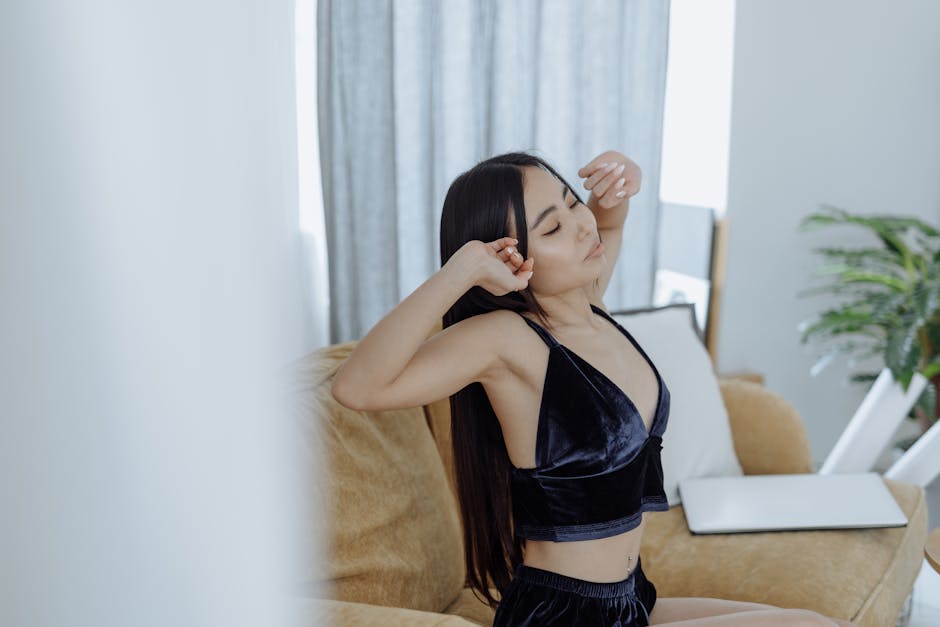
Silk remains the gold standard for luxury sleepwear, but not all silk is created equal. The quality is measured in “momme” (mm), a weight measurement indicating the density of the silk fibers. For pajamas, a range of 19mm to 22mm is ideal—heavy enough to be durable and opaque, but light enough to drape fluidly over the body. High-quality mulberry silk is composed of long, continuous filaments, which reduces the number of fiber ends that can irritate the skin.
Lunya Washable Silk High Rise Set
Price: Approximately $198
Lunya disrupted the market by addressing the primary grievance with silk: the dry-cleaning requirement. Their silk undergoes a specific finishing process that allows it to be machine-washed. The silhouette is modern, often featuring oversized tops and high-waisted bottoms with ventilated side slits.
- Pro: Machine washable, which significantly reduces the total cost of ownership and maintenance time.
- Con: The high-rise waistband can be restrictive for stomach sleepers who prefer a looser fit around the midsection.
LilySilk 22mm Gold Label Silk Pajamas
Price: Approximately $160 – $210
LilySilk focuses on the traditional aesthetic—piped edges, button-down fronts, and a lustrous finish. By using 22mm silk, they offer a garment that feels substantial and has a higher tensile strength than the 16mm or 19mm varieties often found in department stores.
- Pro: The 22mm weight provides a superior drape and longevity compared to thinner silk sets.
- Con: Requires delicate hand-washing or a very specific silk cycle to prevent the fabric from losing its sheen.
The friction coefficient of silk is the lowest among all natural fibers. This lack of resistance is not just about a “slippery” feel; it prevents the fabric from tugging on skin cells and hair cuticles during the night, which may have long-term benefits for skin texture and hair health.
Top-rated bamboo and modal pajamas for night sweats
For individuals dealing with night sweats or hot flashes, regenerated cellulose fibers are often more effective than silk. These fabrics, including Tencel, Modal, and Bamboo Viscose, are created by breaking down plant pulp into a spinning solution. The resulting fibers are incredibly fine and have a round cross-section, making them exceptionally soft. More importantly, they are more hydrophilic than cotton, pulling sweat away from the skin and dispersing it across the fabric surface for rapid evaporation.
Eberjey is perhaps the most recognized name in this category. Their Gisele set uses Tencel Modal, which is derived from beech trees. The fabric is known for its “cool-to-the-touch” sensation. However, a common critique of modal is its tendency to pill over time, especially if it rubs against abrasive bedding like heavy linen sheets. Bamboo viscose, used by brands like Cozy Earth, offers similar benefits but often feels slightly heavier and more substantial, which some users prefer for a sense of security.
| Brand & Model | Material | Est. Price | Key Feature |
|---|---|---|---|
| Eberjey Gisele | 95% Tencel Modal | $138 | Extreme softness and stretch |
| Cozy Earth Bamboo | 95% Bamboo Viscose | $185 | Oversized fit, temperature regulation |
| Soma Cool Nights | 93% Rayon, 7% Spandex | $70 | Proprietary cooling finish |
Cozy Earth Bamboo Pajama Set
Price: Approximately $185
Cozy Earth gained significant traction due to its focus on a weave that maximizes breathability. The fabric is surprisingly heavy when held, but it manages to feel weightless once worn. It is specifically designed to prevent the “hot-cold” cycle that plagues many sleepers.
- Pro: Excellent moisture management and a generous cut that allows for easy movement.
- Con: The fabric is prone to stretching out over several days of wear, requiring a wash to snap back into shape.
Affordable high-quality cotton pajamas for daily wear

Cotton remains the most accessible and versatile choice for sleepwear, but the quality of the cotton determines whether the pajamas will last six months or six years. Long-staple cotton, such as Pima or Egyptian cotton, is superior because the longer fibers can be spun into a finer, stronger yarn. This results in a fabric that is less likely to pill and becomes softer with every wash. For those who prefer a crisp feel, cotton poplin is the way to go. If you prefer a t-shirt feel, look for cotton jersey.
Quince has become a formidable player in the budget-friendly luxury space by offering organic cotton sets at a fraction of the price of traditional retailers. Their organic cotton poplin sets mimic the feel of high-end hotel bedding—crisp, cool, and structured. But, if you are looking for something with more give, Lake Pajamas utilizes Pima cotton in a jersey knit that is arguably the softest cotton option on the market. The trade-off with Pima jersey is that it is highly susceptible to shrinkage, a factor that must be considered when choosing a size.
Lake Pajamas Pima Long-Short Set
Price: Approximately $118
Lake Pajamas focuses on the purity of the fiber. Their 100% Pima cotton sets do not include spandex, which means they rely on the knit structure for stretch rather than synthetic additives. This enhances breathability but changes the fit over time.
- Pro: Unrivaled softness in the cotton category; very gentle on sensitive skin.
- Con: Significant shrinkage (often up to an inch in length) if accidentally placed in a hot dryer.
Quince Organic Cotton Poplin Set
Price: Approximately $50
This is a classic “menswear-inspired” set for women. It is structured and doesn’t cling to the body, which helps with airflow. It’s an excellent option for those who find knits too warm or too restrictive.
- Pro: Exceptional value for GOTS-certified organic cotton.
- Con: The fabric is quite stiff initially and requires several washes to lose its “starchy” feel.
How to choose pajamas based on sleeping position and body type
The ergonomics of sleepwear are just as important as the fabric. A set of pajamas that looks beautiful while standing in front of a mirror can become a tangled mess of fabric once you begin to toss and turn. Side sleepers, for example, often struggle with side-seam irritation. If you spend most of the night on your side, look for “seamless” designs or flat-felled seams that won’t dig into your hips or ribs. Furthermore, button-down tops can be problematic for stomach sleepers, as the buttons create pressure points against the chest and abdomen.
Waistbands are another point of failure. A narrow, tight elastic band can restrict blood flow and irritate the skin, especially if you experience bloating. The best pajamas for women often feature a wide, fabric-covered waistband or a combination of a light elastic and a drawstring. This allows for a customized fit that can be adjusted based on comfort levels. For those with a larger bust, choosing a top with a slight amount of spandex (around 5%) can provide the necessary stretch to prevent the buttons from “gaping” or the fabric from pulling across the shoulders.
Consider the length of the garment as well. Petite women often find that standard pajama pants are a tripping hazard, while taller women deal with the annoyance of “high-water” hems that let in drafts. Brands like Eberjey and J.Crew have begun offering different inseam lengths, a trend that is fortunately becoming more common. If you move a lot in your sleep, a jogger-style cuff at the ankle can be a functional choice, as it prevents the pant legs from riding up to your knees during the night.
Maintenance guide: How to wash silk and modal sleepwear

The lifespan of high-end pajamas is dictated almost entirely by how they are laundered. Heat is the enemy of almost every premium sleepwear fabric. High temperatures break down the elastic fibers in modal and spandex, and they can “cook” the proteins in silk, leading to a brittle, yellowed texture. To preserve the investment, a few technical steps are necessary.
First, always turn pajamas inside out before washing. This protects the outer finish of the fabric from the mechanical agitation of the washing machine drum. For silk and fine modal, using a mesh laundry bag is not optional—it is a requirement. This prevents the delicate fabric from getting snagged on zippers or buttons from other garments. Use a pH-neutral detergent; standard detergents often contain enzymes (like proteases) designed to break down protein stains, which will literally eat away at silk fibers over time.
- Wash in cold water: Keep the temperature below 30°C (86°F) to prevent fiber contraction and color bleeding.
- Avoid the dryer: Air drying is the safest method. If you must use a dryer for cotton, use the lowest heat setting and remove the garments while they are still slightly damp to minimize wrinkles.
- Skip the fabric softener: Softeners work by coating fibers in a thin layer of wax or silicone. While this feels good initially, it clogs the “pores” of the fabric, drastically reducing its ability to wick moisture and breathe.
- Steaming over ironing: If your silk or cotton poplin is wrinkled, use a steamer. If you must iron, use the lowest setting and place a pressing cloth between the iron and the pajama fabric to prevent scorching.
And finally, consider the frequency of washing. Unless you are a heavy sweater, pajamas do not necessarily need to be laundered after every single use. Washing them every 2 to 3 wears can extend the life of the garment by years. By reducing the mechanical stress on the fibers, you maintain the integrity of the weave and the softness of the finish, ensuring that your investment in quality sleep continues to pay dividends in comfort.