
A hoodie looks casual because its shape, fabric, and hood signal comfort before the rest of the outfit gets a say. The styling fix is practical: keep the softness, then add structure, contrast, and a clear color plan. No state law is discussed on this fashion page. This is not legal advice — consult a licensed attorney.
Why a Hoodie Looks Casual—and How to Shift It
The best hoodie outfits keep one relaxed element and make everything around it more deliberate. A hoodie usually has a dropped shoulder, a rounded hem, ribbed cuffs, and soft fleece. Those details create a wide, informal outline. Sweatpants and sneakers repeat the same message, so the full outfit reads as loungewear even when every piece is clean.
Change the visual job of the hoodie
Wear the hoodie as a mid-layer instead of treating it as the entire outfit. A crisp shirt collar above the neckline adds a vertical line. A wool coat, cropped jacket, or long trench coat gives the shoulders and hem a stronger frame. The contrast matters more than the label on the chest. A plain heather-gray hoodie under a dark coat can look more finished than a bright designer hoodie paired with matching sweatpants.
Proportion also changes the result. An oversized hoodie needs a straighter or slimmer lower half, while a close-fitting hoodie can handle wide-leg trousers. The hem should not disappear under every layer. Let two to four inches of shirt or jacket show when the layers are meant to be visible.
Use texture instead of extra decoration
Texture makes a basic hoodie look intentional without adding loud logos. Try brushed fleece with denim, smooth cotton with corduroy, or a soft hoodie under a dry wool blazer. Keep one surface dominant. Too many soft fabrics create a shapeless outfit, while too many sharp fabrics make the hoodie look misplaced.
My clear verdict: the hoodie becomes polished when it is the only visibly sporty piece. Let the coat, trousers, belt, or bag do the formal work.
The Three-Color Rule Makes Hoodie Outfits Look Intentional
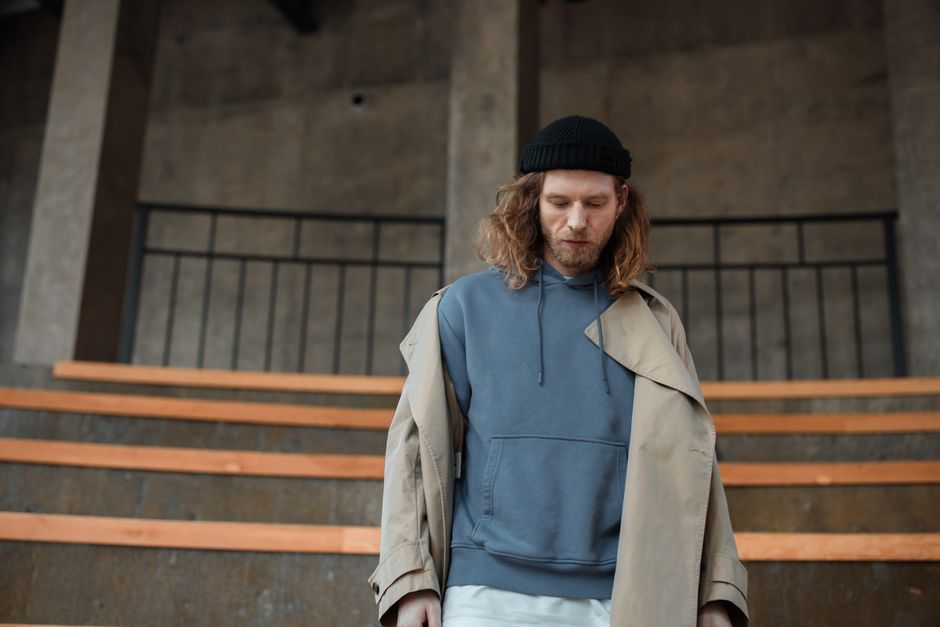
Color is the fastest way to stop a hoodie outfit from looking like clothing pulled on in a hurry. The strongest formula is one base color, one supporting neutral, and one small accent.
Build the outfit in three steps
- Choose the base. Start with black, charcoal, navy, cream, or brown. A neutral hoodie gives the outfit room for sharper trousers and accessories.
- Add a supporting neutral. Pair a charcoal hoodie with black trousers, a cream hoodie with tan pants, or a navy hoodie with gray wool. Close color families look calmer than random contrast.
- Limit the accent. Add one red cap, silver watch, green bag, or patterned sock. The accent should appear once or twice, not across every item.
- Match the temperature. Warm brown, camel, and olive work well together. Cool gray, blue, and crisp white form a cleaner group. Mixing them can work, but one shade should clearly lead.
- Check the logo. A large graphic already acts as a color accent. Keep the rest of the outfit quiet so the hoodie does not compete with the coat or trousers.
Know when contrast becomes clutter
Three colors does not mean three loud colors. A black hoodie, faded blue jeans, and white shirt create contrast without visual noise. A red hoodie, green cargo pants, yellow sneakers, and a patterned coat create several competing focal points. The second outfit may be fun for a concert or street-style shoot, but it is a poor choice for a clean everyday wardrobe.
For most readers, tonal dressing is the safest winner. A chocolate hoodie with dark brown trousers and a camel coat looks richer than a pile of unrelated shades, and the same formula works with gray, navy, or cream.
Which Hoodie Fabrics and Fits Look Most Refined?
Fabric weight and cut decide how easily a hoodie can move beyond gym clothes. A thin, clingy sweatshirt tends to look like underwear under a jacket. A very oversized fleece can swallow the body. The sweet spot is a firm midweight fabric with a controlled shoulder and cuffs that hold their shape.
Use the label and measurements as evidence
Look for cotton-rich fleece, a hood with enough weight to sit flat, and ribbing that returns to its original shape after stretching. A body length that ends near the hip works with trousers and skirts. For an oversized fit, size up only once and check the sleeve length; cuffs that cover the hands make the outfit look sleepy rather than styled.
| Hoodie | Useful specification | Typical listed price | Best styling role |
|---|---|---|---|
| Nike Sportswear Club Fleece Pullover Hoodie | 80–82% cotton and 18–20% polyester; standard fit; brushed-back fleece | About $65 | Reliable layer under a wool coat |
| Champion Reverse Weave Pullover Hoodie | Heavy cotton-blend fleece; ribbed side panels; dense construction | About $90 | Structured casual centerpiece |
| Uniqlo Sweat Pullover Hoodie | Midweight cotton-blend sweat fabric; cleaner, understated branding | About $50 | Minimal outfits with tailored pants |
| Lululemon Scuba Oversized-Funnel-Neck Half Zip | Cotton-blend fleece; oversized body; funnel neck and half-zip closure | About $128 | Modern volume with slim bottoms |
My fabric and fit verdict
The Champion Reverse Weave is the strongest choice for a hoodie that must hold its own beside a structured jacket. Its dense fabric gives the torso shape, but the side panels keep it comfortable. The Uniqlo Sweat Pullover Hoodie is the better value for a quiet office-casual outfit because its restrained design does not pull attention away from the trousers. Nike wins for everyday versatility, while the Lululemon Scuba works only when the oversized shape is balanced by a narrow lower half.
Do not buy the heaviest hoodie simply because it feels expensive. Heavy fleece is warm, bulky, and harder to layer. For mild weather or indoor wear, midweight cotton is the more useful choice.
How Should You Pair a Hoodie With Trousers, Skirts, or Jeans?
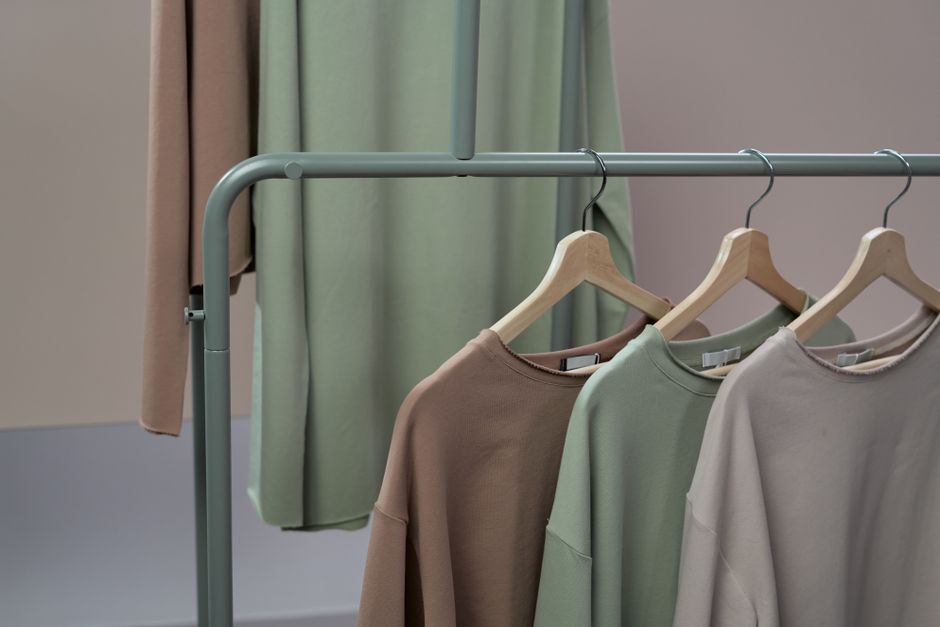
The bottom half decides if the hoodie reads as dressed casual, streetwear, or lounge clothing. Tailored trousers are the clearest upgrade, but they are not the only answer.
Can a hoodie work with tailored trousers?
Yes. Choose a hoodie that ends near the hip and tuck only the front edge if the fabric is thin enough. Straight-leg wool trousers, pleated pants, or pressed cotton chinos create a strong contrast with fleece. Keep the shoes simple: leather loafers, low-profile boots, or clean leather sneakers. My pick for a polished weekday outfit is a charcoal hoodie with black pleated trousers and a long camel coat.
Can a hoodie work with a skirt?
Yes, but the proportions need a clear break. A cropped or waist-length hoodie works with a high-waisted midi skirt. An oversized hoodie works better with a straight denim skirt or a narrow knit skirt than with a full, ruffled shape. Add a compact shoulder bag or a belt to define the waist. Avoid pairing a huge hoodie with a huge skirt unless the volume is deliberate and the footwear has enough visual weight.
Are jeans still a good choice?
Jeans are useful when the wash and cut create contrast. Dark straight-leg denim looks cleaner than distressed skinny jeans, while relaxed light denim suits a more casual outfit. Avoid matching a hoodie with jeans, running shoes, and a baseball cap when the goal is elevation; all four pieces send the same informal signal. Replace one item with a coat, leather shoe, or structured bag. The strongest everyday answer is a plain hoodie, dark denim, and a sharp outer layer.
When a Hoodie Is the Wrong Choice

Skip the hoodie when the setting demands authority, precision, or heat control. Better styling cannot change the basic message of a fleece sweatshirt, and forcing it into the wrong setting makes the outfit look careless.
Situations that call for another layer
- For a job interview, choose a fine-gauge sweater, knit polo, or simple blouse instead. A hood adds bulk around the neck and can compete with a tailored jacket.
- For weddings, formal dinners, and black-tie optional events, a hoodie is usually too casual unless the dress code clearly invites modern sportswear.
- For hot, humid weather, fleece traps heat and can make the outfit uncomfortable. A cotton shirt, linen overshirt, or lightweight knit gives better airflow.
- For petite frames, avoid an extra-long oversized hoodie with wide pants. The combined volume can hide the waist and shorten the legs.
- For anyone who dislikes constant adjusting, avoid very oversized funnel-neck or dropped-shoulder styles. The look depends on controlled volume, not fabric hanging in every direction.
The final buying rule
Buy a hoodie only if it can complete at least three outfits with clothes already in the closet. If it works only with sweatpants, matching sneakers, or one particular jacket, it is a lounge item rather than a versatile wardrobe piece. The most useful hoodie is not the loudest or thickest one. It is the piece with a stable shape, a wearable color, and enough room for one deliberate layer underneath or over it.