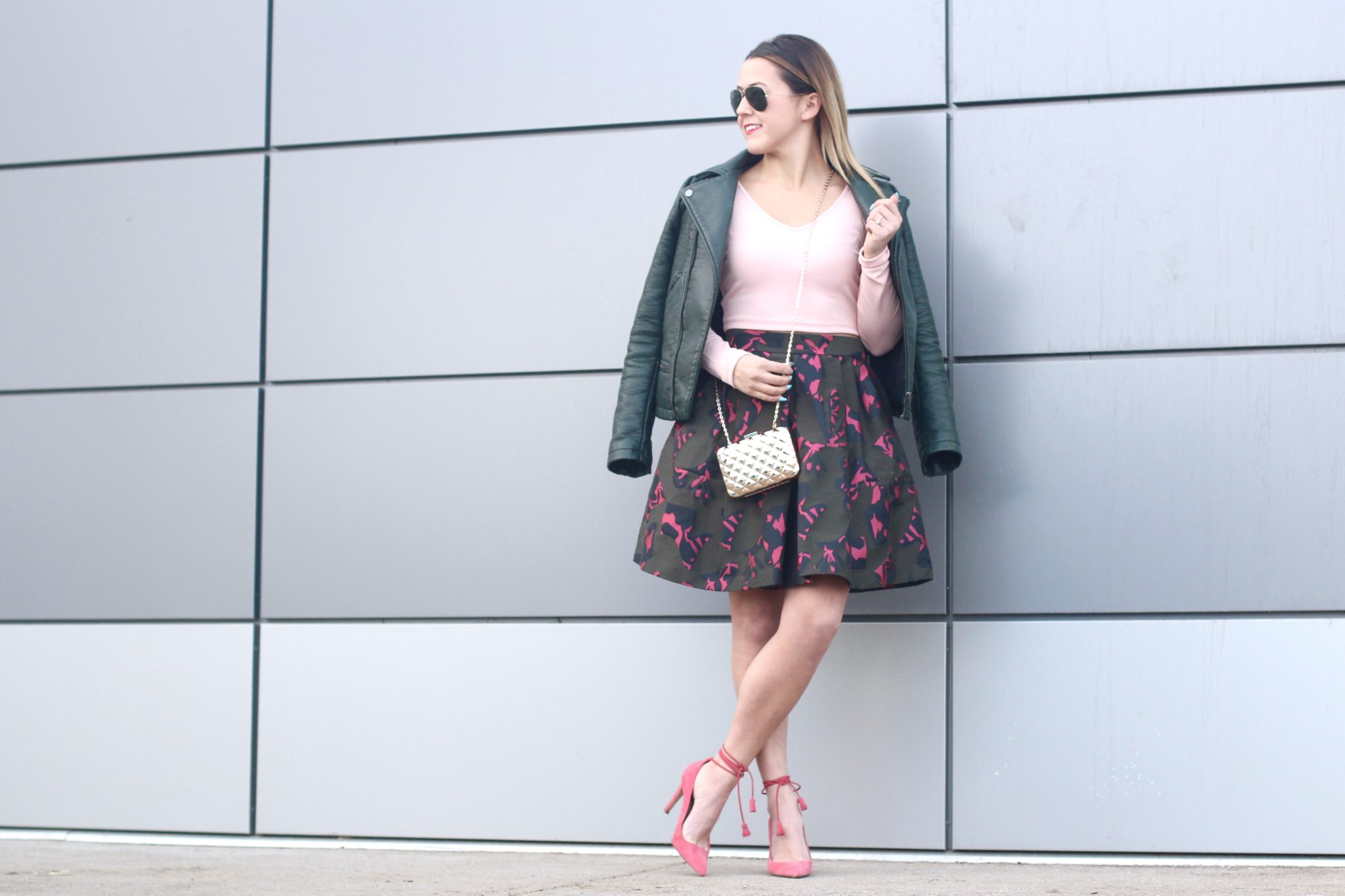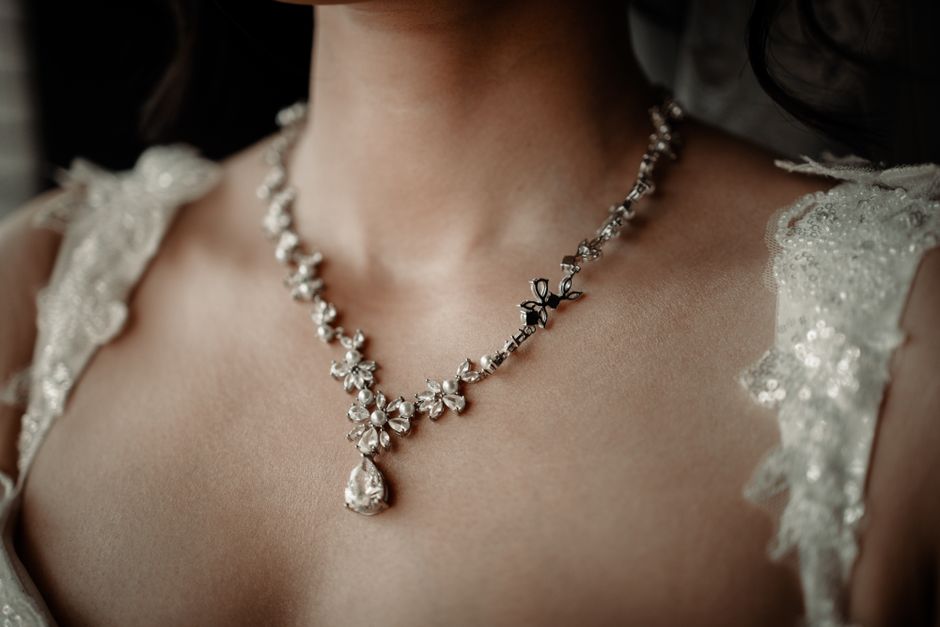
A 16-inch necklace can make a crew neck look wider, while the same length can disappear inside a V-neck. The necklace is not the problem. The meeting point is.
Statement necklaces work because they control attention. They frame the face, fill empty space, and change the balance of a top or dress. Pick the wrong shape and the outfit looks crowded. Pick the right one and a basic neckline looks planned within seconds.
The simple rule is clear: match the necklace shape to the opening of the garment, then check where the pendant or chain ends on your body.
Match the Necklace Shape to the Neckline Shape
Match angles with angles and curves with curves. That is the most reliable styling rule, and it works across casual tops, office shirts, and evening dresses. A necklace should echo the line of the neckline or create a deliberate contrast. Random proportions create the messy effect people often blame on the jewelry itself.
V-necks need a vertical focal point
A V-neck already draws the eye down. Use a pendant, lariat, Y-necklace, or elongated cluster that follows that path. The lowest point of the necklace should sit inside the V without reaching the bust. For most tops, a pendant that ends 1 to 3 inches above the bottom of the neckline looks intentional. A round collar necklace fights the V because it creates a second, competing curve near the throat.
Crew-necks and boat-necks need controlled width
A crew neck leaves a compact area below the collarbone. A short bib necklace, thick chain, collar necklace, or rounded pendant fills that space well. Keep the necklace above the fabric edge or let it sit clearly over the top. Do not choose a delicate chain that vanishes against the shirt.
Boat-necks work best with pieces that add length or a clean vertical center. A long pendant balances the wide shoulder line. A very wide necklace can make the upper body look boxy, especially with a structured jacket.
Use This Neckline-to-Length Chart

Start with the neckline, not the jewelry display. This chart gives you the strongest first choice for each common opening.
The fastest length guide
| Neckline | Best necklace shape | Useful length | Clear verdict |
|---|---|---|---|
| V-neck | Pendant, lariat, or Y-chain | 18 to 24 inches | Choose vertical movement |
| Crew-neck | Bib, collar, or bold rounded chain | 16 to 18 inches | Fill the open space |
| Boat-neck | Long pendant or slim drop | 20 to 30 inches | Balance the wide neckline |
| Sweetheart | Short curved collar or pendant | 15 to 18 inches | Repeat the soft curve |
| Square-neck | Geometric pendant or structured chain | 16 to 20 inches | Use clean angles |
| Halter | No necklace or a very fine long chain | 24 inches or longer | Let the neckline lead |
| Open collared shirt | Layered chain or pendant | 18 to 22 inches | Place the focal point below the collar |
When the chart needs a small adjustment
Neckline depth changes the answer. A shallow V needs a shorter pendant; a deep V can handle a longer drop. Fabric matters too. A chunky sweater can support a heavier chain than a thin silk blouse. The color of the top matters most when the necklace has a small pendant. Low contrast makes delicate jewelry disappear, while high contrast makes every proportion more obvious.
Use the table as a starting point, then place the necklace over the actual garment. A necklace that looks perfect on bare skin may sit too high or too low once the neckline, fabric, and bra line enter the picture.
Fit a Statement Necklace in Five Practical Steps
For a first statement necklace, buy a piece with an adjustable length. That gives you more outfits and exposes bad styling choices before they become expensive mistakes.
The five-step fitting method
- Measure the neckline. Put on the actual top and measure from the base of your neck to the lowest point of the opening. Write down the measurement. Guessing from a hanger is unreliable.
- Choose the focal point. Decide what the necklace should emphasize: the face, collarbone, or center of the torso. For a V-neck, place the focal point along the vertical line. For a crew neck, keep it near the collarbone.
- Compare real necklace proportions. The Mejuri Bold Dome Chain Necklace at 18 inches is a strong choice for a crew neck because its broad links occupy horizontal space. The Kendra Scott Elisa Pendant Necklace at 15 inches plus a 2-inch extender works better with a shallow V. The Swarovski Constella Y Necklace at about 16.5 inches adds a clean drop without overwhelming a square neckline.
- Check the overlap. The necklace should either sit clearly on skin or clearly over fabric. If it lands directly on the edge of the neckline, it looks accidental. Move the clasp, shorten the extender, or choose a different length.
- Remove one competing detail. A large necklace and a large scarf, oversized collar, or heavy chandelier earring rarely share the same spotlight. Keep the earrings smaller when the necklace carries the outfit.
The best pick from these examples is the adjustable Kendra Scott Elisa for anyone who wears several V-neck tops. Its short base length handles higher openings, and the extender gives you room to move the pendant lower. The Mejuri chain wins for simple crew-neck outfits. The Swarovski Y-necklace wins when the neckline needs a narrow vertical line.
Why Does a Statement Necklace Look Wrong?
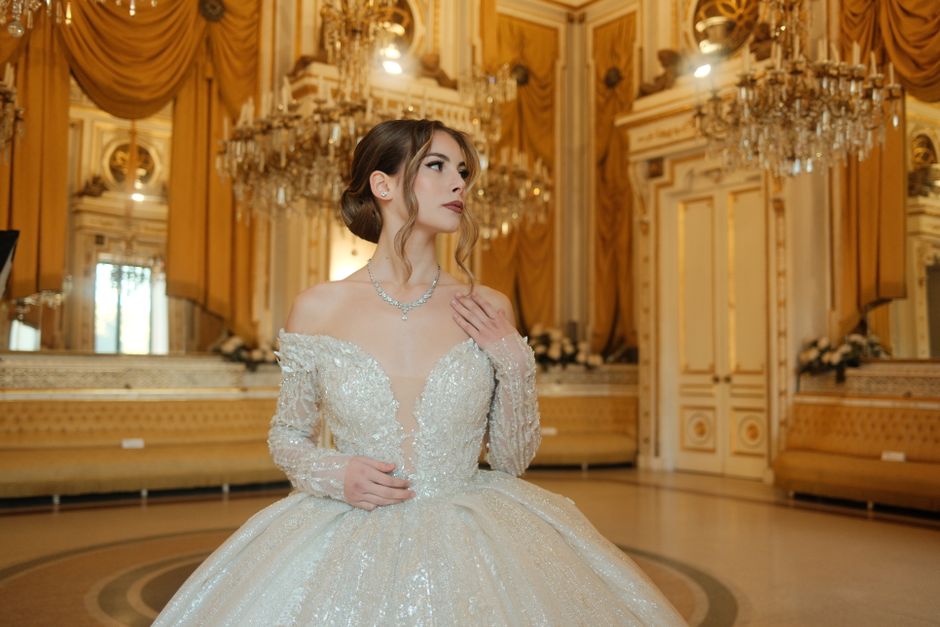
Most necklace problems come from placement, not personal style. Use these quick answers before replacing the piece.
Why does my necklace look crowded?
The necklace is probably competing with the neckline. This happens when a short, wide necklace sits on a high halter, turtleneck, or heavily gathered collar. Remove the necklace first. If the outfit immediately looks cleaner, the neckline already has enough visual detail. Use earrings or a bracelet instead.
Why does my pendant disappear?
The pendant may be landing on a similar-colored fabric, or it may be too small for the opening. A 1-inch pendant can vanish against a patterned blouse. Try a larger shape, stronger contrast, or a chain that ends below the printed area. A pendant should have a clear landing zone.
Why does the necklace make me look shorter?
Wide horizontal pieces can shorten the visible upper body when they stop at the broadest part of the chest. Move the necklace higher, switch to a pendant, or choose a chain that ends below that line. Long necklaces also need breathing room. If the pendant lands on a belt, pocket, or bold button row, the outfit loses its vertical flow.
Do not force a necklace onto every neckline. A halter, high cowl, ruffled collar, or one-shoulder dress often looks stronger without jewelry at the throat. Leaving the neck bare is a styling decision, not a missing step.
Choose the Necklace by the Occasion and Final Proportion
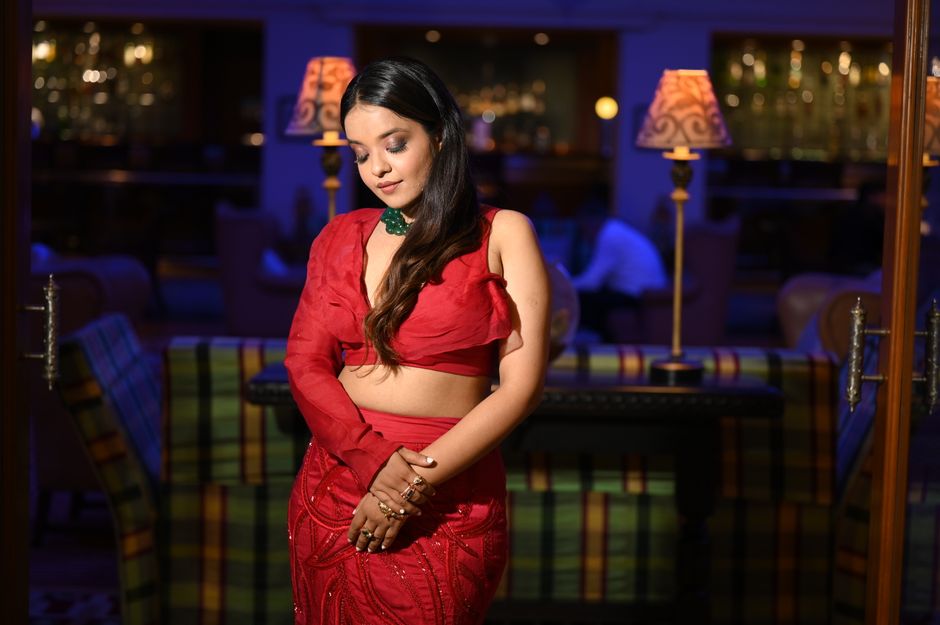
The right statement necklace is the one that finishes the outfit without becoming a second outfit. Start with the garment’s strongest line, then choose the smallest piece that makes that line clearer.
- For work: Use a medium-weight chain or geometric pendant with a 16- to 20-inch length. It looks polished with a crew neck or open shirt and will not catch on a blazer lapel. Keep metal color consistent with your watch or belt buckle.
- For a dinner dress: Let the neckline decide the drama. A sweetheart neckline can carry a curved collar. A deep V needs a vertical pendant. With sequins, beading, or a busy print, choose a simpler necklace and let the dress hold the attention.
- For a plain T-shirt: This is where a bold bib, chunky chain, or layered pendant earns its place. A 16- to 18-inch necklace creates a finished frame around a crew neck. Add small studs rather than oversized earrings.
- For a halter or high neckline: Skip the necklace unless you have a long, narrow piece that falls well below the fabric. The stronger choice is often a sculptural earring, sleek watch, or bare collarbone.
- For a square neckline: Pick a necklace with a firm pendant, straight drop, or angular links. Soft, tiny chains tend to look lost beside the neckline’s sharp corners.
Return to the opening example: the same 16-inch necklace that improves a crew-neck top can look trapped on a halter. Leave the halter bare, place the bold chain on the crew neck, and use a vertical pendant for the V-neck. That is the whole method: follow the line, control the length, and give the necklace one clear job.