
Searching for the best sweaters NYT readers can actually buy? You probably want a short, trustworthy list rather than a page full of thin acrylic knits and vague claims about luxury. The strongest options below stay under $150, use clearly stated fibers, and earn their place through warmth, shape, care, or price. The phrase "best sweaters NYT" does not mean every online list is an official New York Times recommendation, so check the current size chart and price before ordering.
Which Sweaters Give You the Most for $150?
A quick comparison of strong picks
| Sweater | Typical price | Fiber | Best use | Verdict |
|---|---|---|---|---|
| NAADAM Original Cashmere Sweater | About $98 | 100% cashmere | Soft everyday layering | Best overall |
| Quince Mongolian Cashmere Crewneck | About $50 | 100% Mongolian cashmere | Low-cost cashmere | Best value |
| Uniqlo Cashmere Crew Neck Sweater | About $100 | 100% cashmere | Clean office outfits | Best polished basic |
| L.L.Bean Classic Cashmere Sweater | About $129 | 100% cashmere | Traditional fit and layering | Best relaxed option |
The short verdict
The NAADAM Original Cashmere Sweater is the safest single choice because its classic crewneck works with jeans, trousers, skirts, and jackets without looking overly dressed. Choose the Quince if price matters most, Uniqlo if you want a neater, slimmer shape, and L.L.Bean if you prefer a roomier fit. These prices can change with sales, but the ranking stays useful because it is based on fiber, cut, and likely wear rather than a temporary discount.
How to Choose the Right Sweater Fiber

Start with the job the sweater must do
Cashmere feels soft and gives strong warmth for its weight, which makes it useful under a coat or blazer. Merino wool handles temperature changes better and usually resists odor, so it works well for travel and long days. Cotton feels easier against the skin and suits mild weather, but a thick cotton sweater can become heavy when wet. Acrylic costs less and often survives machine washing, yet it may trap heat, pill quickly, and feel less breathable.
Use this three-step fiber check
- Read the fiber percentage instead of trusting the word "cashmere" on the front of the product page. A sweater with 5% cashmere and 95% synthetic fiber is not the same purchase as a 100% cashmere knit.
- Match warmth to your routine. Pick fine merino or cotton for heated offices, medium-gauge wool for daily winter wear, and chunky wool only when you have room for a coat over it.
- Check care before checkout. Hand-wash-only cashmere is a poor choice if you need a quick weekly laundry routine. A washable blend may serve you better, even if it feels less luxurious.
- Look for the word "gauge" or a clear description of knit weight. A thin cashmere sweater can feel elegant but will not replace a dense wool jumper outdoors.
- Buy the fiber you will maintain. A $50 sweater that gets worn for three seasons beats a $200 sweater that stays in the drawer because its care instructions feel demanding.
My strongest rule is simple: pay for the fiber only when the rest of the garment supports it. Soft yarn cannot rescue a stretched neckline, poor shoulder fit, or scratchy seam.
How Should a Sweater Fit and Hold Its Shape?
Measure a sweater you already wear
Lay a favorite sweater flat and measure from armpit to armpit, shoulder seam to shoulder seam, and the back length from the highest shoulder point to the hem. Compare those numbers with the product chart. Chest measurements alone can mislead because two sweaters with the same chest width may have very different sleeve lengths or body proportions. For a classic crewneck, leave enough room to move your arms without creating deep horizontal pulling across the chest. For an oversized style, size up only if the shoulder seam can still sit in a deliberate place rather than halfway down your arm.
Inspect the details that reveal construction
Ribbed cuffs should recover after you stretch them lightly. The neckline should lie flat instead of forming a wavy tunnel. Look closely at the shoulder and side seams in product photos; uneven joins often show up before the sweater arrives. A good hem has enough structure to stay flat but should not squeeze your hips. The sleeve opening also matters. A very narrow cuff can make a soft sweater awkward over a shirt, while a loose cuff may slide under a coat and bunch at the wrist.
Test the fit when it arrives
Try the sweater over the base layer you plan to wear. Lift both arms, sit down, reach forward, and check the hem. If the body rides up, the shoulder pulls, or the collar presses your throat, return it before washing. Do not expect blocking or steaming to fix a fundamentally wrong size. Fit problems usually become more obvious after several hours of movement, not during a quick mirror check.
Which Budget Sweater Should You Buy?
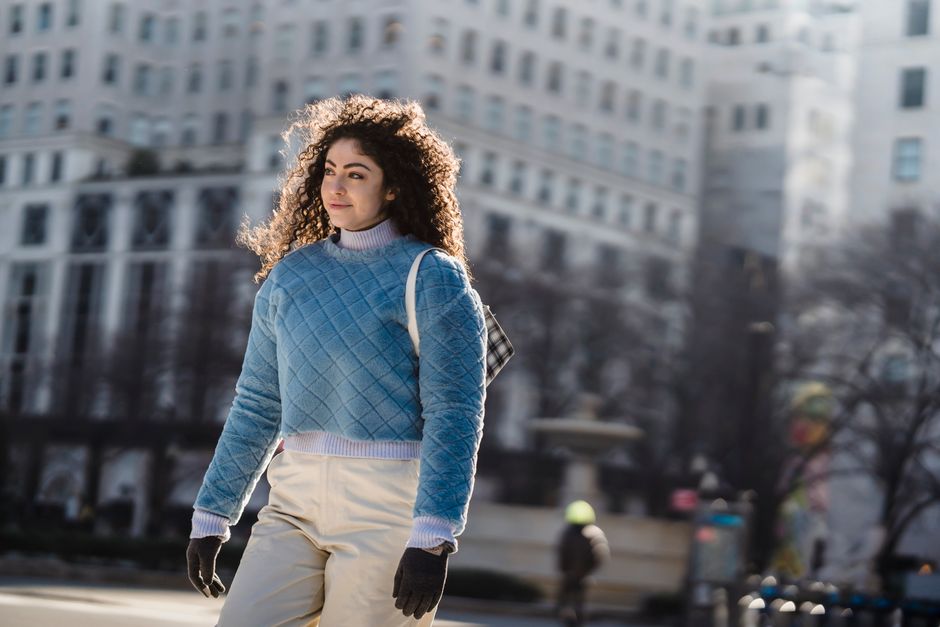
Buy the NAADAM Original Cashmere Sweater for the best balance of softness, price, and outfit range. It is the pick I would give to someone buying one sweater for work, weekends, and travel. The other three choices make sense for specific priorities.
Choose NAADAM for one dependable all-rounder
At about $98, the NAADAM Original Cashmere Sweater gives you a 100% cashmere crewneck without moving into designer pricing. Its simple shape is the strength. Wear it with straight-leg jeans and loafers, over a collared shirt, or beneath a wool coat. It is not the best choice for rough outdoor work, and cashmere still needs careful washing, but it offers the broadest wardrobe use.
Choose Quince for the lowest sensible cashmere price
The Quince Mongolian Cashmere Crewneck is the clear value winner at about $50. It makes sense for a first cashmere purchase, a seasonal color, or a wardrobe that needs several easy basics. The tradeoff is that you should inspect the fit and return policy closely because low prices can make impulse buying too easy. Buy one color you will wear often before ordering several.
Choose Uniqlo or L.L.Bean for a different shape
The Uniqlo Cashmere Crew Neck Sweater, usually around $100, suits a cleaner office silhouette and works well tucked or layered under a jacket. L.L.Bean’s Classic Cashmere Sweater, around $129, is the better choice for a relaxed, traditional cut and a little more ease through the body. Skip all three cashmere options if you need a machine-washable workhorse; a washable merino or cotton blend is a smarter purchase.
Sweater Buying Questions That Prevent Regret

Is cashmere always warmer than wool?
No. Cashmere is warm for its light weight, but a dense merino or lambswool sweater can feel warmer outdoors because the knit blocks more air. Choose cashmere for soft layering and merino or lambswool for harder winter use. The knit density matters as much as the fiber label.
How many sweaters should a small wardrobe have?
Start with three: one fine neutral layer, one medium-weight everyday sweater, and one texture or color that changes the outfit. A charcoal crewneck, navy cardigan, and rust cable knit cover more situations than six similar beige pullovers. Add another only after you notice a real gap.
When should you not buy a sweater?
Skip it when the care instructions conflict with your routine, the return policy is unclear, or the fit depends on sizing up and hoping the shoulders work. Also skip a sweater that only matches one outfit. The best knit should create at least three combinations with clothes you already own.