Can 20 carefully chosen clothes really replace a crowded wardrobe without making every outfit look the same? I tested that question by removing trend pieces, duplicate basics, and clothes I kept only because they were cheap. The result was more practical than romantic: dressing became faster, laundry became easier, and the cost per wear made several higher-priced items look sensible. A few pieces failed badly, too.
What a 20-Piece Wardrobe Actually Solves
Verdict: a 20-piece wardrobe works best as a decision filter, not a lifestyle rule. Its real purpose is to reduce overlap. Five black tops do not create five times as many outfits if they all serve the same role. A smaller wardrobe forces each item to earn space by covering a clear need: work, walking, social plans, weather, or relaxed weekends.
The problem is duplication
Fast fashion makes duplication easy because the initial price feels harmless. A $15 shirt can enter the closet without a plan, then sit beside three similar shirts. The purchase was cheap, but the closet became expensive in time, storage, and unused clothing. A useful piece should work with at least three other items and suit at least two parts of your week.
The benefit is outfit coverage
I judged each garment by outfit coverage. A navy sweater that works with trousers, jeans, and a skirt has a stronger case than a striking top that works only with one pair of pants. This approach also protects against false minimalism. Owning 20 items is not efficient if half require special washing, delicate styling, or a very specific body shape.
The strongest result was not a perfectly empty closet. It was fewer emergency purchases because the remaining clothes had known jobs.
The 20 Pieces I Kept—and What They Cost

Verdict: spend more on the items that touch your body often or carry the whole outfit. The prices below are realistic benchmark prices, not promises that every retailer will charge the same amount. I chose pieces with ordinary cuts and broad outfit use, then kept the total close to $2,000 before tax.
| Wardrobe role | Brand and item | Benchmark price |
|---|---|---|
| White T-shirt | Uniqlo Supima Cotton T-Shirt | $19.90 |
| Black T-shirt | COS Clean Cut T-Shirt | $35 |
| Oxford shirt | MUJI Washed Oxford Shirt | $49.90 |
| White tank | Everlane Organic Cotton Tank | $30 |
| Striped knit | Saint James Minquiers Sweater | $165 |
| Navy sweater | Uniqlo Extra Fine Merino Crewneck | $49.90 |
| Cardigan | Quince Mongolian Cashmere Cardigan | $99.90 |
| Black blazer | J.Crew Factory Modern Blazer | $148 |
| Trench coat | Uniqlo Trench Coat | $129.90 |
| Blue jeans | Everlane Way-High Jean | $98 |
| Black trousers | COS Wide-Leg Tailored Trousers | $135 |
| Midi skirt | Mango Satin Midi Skirt | $79.99 |
| Slip dress | Reformation Bias Slip Dress | $248 |
| Denim jacket | Levi’s Original Trucker Jacket | $90 |
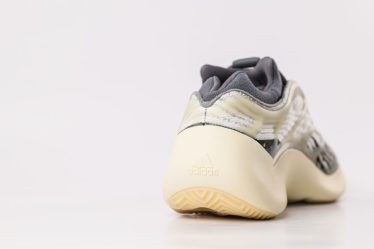
| White sneakers | Adidas Stan Smith | $100 |
| Black loafers | Vagabond Alex Loafers | $140 |
| Ankle boots | Blundstone 585 Classic Chelsea | $230 |
| Leather belt | Madewell Medium Perfect Leather Belt | $58 |
| Wool scarf | Uniqlo Cashmere Scarf | $49.90 |
| Everyday tote | Baggu Duck Bag | $44 |
The most expensive items were not automatically the winners. The Blundstone boots earned their place through weather resistance and repeat wear; the slip dress stayed only because it worked for weddings, dinners, and layered winter outfits. The weakest value was the satin skirt, which needed careful steaming and looked less polished after washing.
How I Tested the Wardrobe for Four Weeks
Verdict: test repeat wear, not first impressions. A garment can look excellent on day one and become annoying by week two. I used a simple coverage test that measures real use instead of excitement at the fitting room.
- Wear every item at least three times. I paired tops with different bottoms and wore shoes in both casual and polished outfits. Anything that worked only with one combination received a lower score.
- Track comfort after four hours. I recorded tight waistbands, scratchy fibers, slipping straps, hot linings, and shoes that caused pressure. These problems matter more than a flattering mirror photo.
- Wash according to the care label. Cotton tees went through normal laundry. Knitwear received gentler care. A wardrobe that looks good only when every piece gets special treatment is not a low-effort wardrobe.
- Measure outfit repetition. I counted how often each piece appeared and how many full outfits it supported. The target was three reliable combinations, not endless styling tricks.
- Record replacement pressure. If I wanted to buy a new item to make an existing item usable, I marked the original as a failure. The best clothes reduced shopping pressure rather than creating another gap.
This test changed my view of basics. A plain T-shirt that survives washing and works under a blazer can outperform a more memorable top that needs a narrow season or a perfect occasion.
Where the Minimal Wardrobe Failed

Verdict: the biggest mistake is shrinking the wardrobe before studying your actual week. Minimalism fails when the number becomes more important than the coverage. A person who commutes, exercises, attends formal events, and lives through wet winters needs different clothing from someone who works remotely in a warm climate.
Mistake one: owning too few weather options
My first version had one light jacket and one heavy coat. That gap made spring mornings difficult and pushed me toward buying a cheap rain layer. The fix was not another fashionable coat. It was a compact waterproof shell and a scarf that could adjust warmth without changing the outfit.
Mistake two: confusing neutral with versatile
Black, beige, navy, and white are easy to combine, but a wardrobe made only from muted colors can feel dull enough to abandon. One striped knit and one controlled accent color gave the neutral pieces more life without adding clutter.
Mistake three: ignoring laundry timing
Twenty pieces can feel like ten if several garments are waiting for a wash or air-dry cycle. I needed enough tops for five workdays and enough underwear and socks outside the 20-piece count. The wardrobe also needed a clear laundry day. Without that routine, the small closet felt restrictive.
Mistake four: buying aspiration
A tailored blazer is not useful if your calendar contains no tailored outfits. A delicate dress is not a smart purchase if you avoid dry cleaning. Buy for the life you repeat, not the life a product page suggests.
Which Pieces Deserve More Money?
My strongest recommendation is to put the budget into shoes, outerwear, and your most-worn trousers. Those categories face friction, weather, body movement, and repeated cleaning. Cheap versions often show wear quickly or fit poorly enough to make the entire outfit look careless.
Best value for daily wear
The Uniqlo Extra Fine Merino Crewneck at about $49.90 was the clearest winner. It layers under a blazer, works with jeans, and handles a temperature range that made it more useful than a thick statement sweater. For denim, the Everlane Way-High Jean at about $98 gave a cleaner fit and required fewer outfit adjustments than low-cost jeans with inconsistent sizing.
Best choice for hard use
For wet commutes and long walks, the Blundstone 585 at about $230 made more sense than replacing inexpensive boots every season. It is not the right choice for formal office dressing, but it is the strongest workhorse in this group. For a polished shoe that takes less visual space, the Vagabond Alex loafer at about $140 was the better pick.
When not to spend more
Do not pay a premium for a white T-shirt just because the brand sells a sustainability story. The $19.90 Uniqlo Supima shirt performed well enough for its role, and white cotton still faces stains, deodorant marks, and frequent washing. Spend more when construction changes the wear experience, not when the label only changes the story.
20-Piece Wardrobe Questions Buyers Still Ask
Can a 20-piece wardrobe work for an office?
Yes, if office clothes count as a real share of the wardrobe rather than an afterthought. Start with two trousers, one blazer, two polished tops, one knit, and one comfortable shoe. The same trousers should work with casual sneakers and office loafers. If your workplace requires suits, a 20-piece total will feel too tight unless shoes and accessories sit outside the count.
Is a capsule wardrobe cheaper than fast fashion?
Not at checkout. It can become cheaper through cost per wear. A $100 pair of trousers worn 60 times costs about $1.67 per wear. A $25 pair worn four times costs $6.25 per wear. The calculation only favors the expensive item if it fits well, survives care, and matches your real routine.
What should be excluded from the 20 pieces?
I excluded underwear, sleepwear, gym clothes, jewelry, and weather-specific safety items. Those categories serve different jobs and can distort the count. I also excluded sentimental pieces because the purpose of this test was daily dressing, not an audit of personal meaning.
Should every item be neutral?
No. Keep the base practical, then add one or two pieces with color, pattern, or texture. The Saint James striped sweater did more styling work than another plain top because it gave simple outfits a clear point of view.
My Final Verdict on Leaving Fast Fashion
A 20-piece wardrobe is worth trying if shopping fatigue, closet clutter, and poor cost per wear are your main problems. It is not a moral scorecard, and it will not suit every climate, job, or laundry routine. The useful lesson is stricter: every purchase should have a job, a fit standard, and a believable number of future wears.
I would repeat the experiment, but I would not copy the exact list. The wardrobe needs to reflect the clothes you reach for on an ordinary Tuesday, not an imaginary version of your life. Keep the pieces that solve repeated problems. Remove the ones that need constant styling excuses.
My final count also exposed the tradeoff in buying better. Some garments cost more upfront, and responsible production claims can be difficult to compare across brands. A consumer should inspect fabric, stitching, return terms, repair options, and care demands instead of trusting a green label alone.
The single most important takeaway is this: replace fast-fashion volume with clothes that earn repeated wear, not with an arbitrary smaller number.