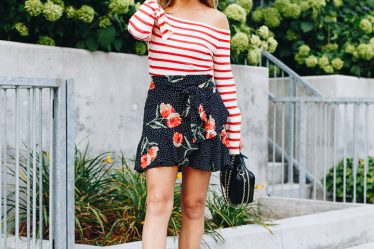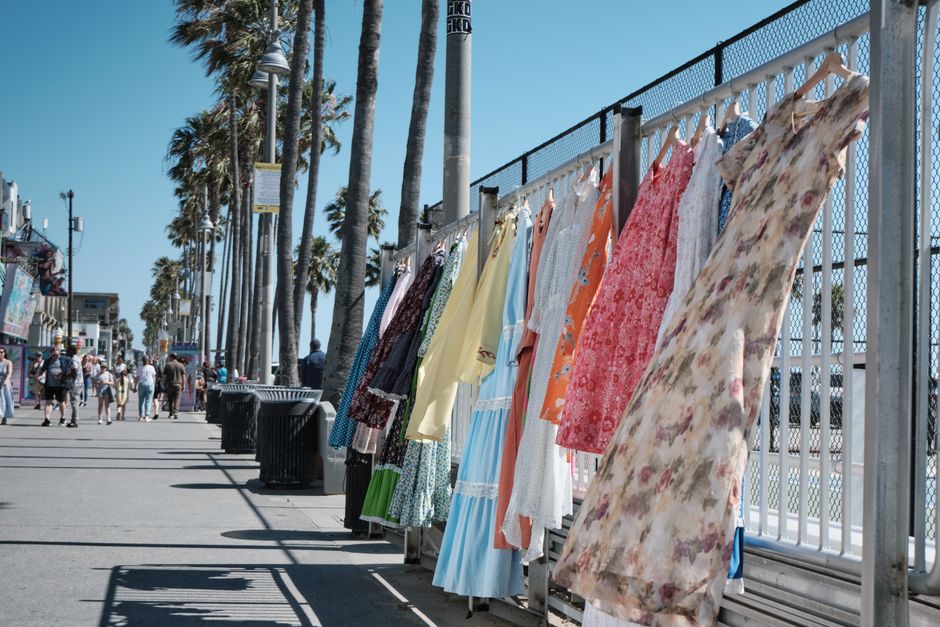
Thrifting vintage fashion is not treasure hunting by luck. It is a fast inspection process: identify useful fabrics, check construction, price the risk, and leave when the garment has problems you cannot fix. Use these rules and your next thrift trip will produce wearable clothes instead of a crowded closet.
Why Thrifting Vintage Fashion Beats Chasing Trends
The best thrift find is not the oldest item in the shop. It is the piece that solves a wardrobe problem, fits your life, and still looks good after repeated wear. Vintage clothing can offer better fabric, stronger seams, and less predictable design than mass-market trend pieces, but age alone proves nothing. A poorly made garment from decades ago is still a poor buy.
Compare the real value before you buy
| Shopping lane | Typical cost | Main advantage | Main risk | Verdict |
|---|---|---|---|---|
| New trend item | $25-$80 | Easy sizing and current cuts | Thin fabric and quick style turnover | Buy only for a specific outfit |
| Vintage thrift find | $10-$100 | Distinct fabric, shape, and detail | Unknown wear or difficult repairs | Best value when construction is sound |
| Modern reproduction | $60-$250 | Vintage look with fresh materials | Higher price and less character | Choose it when fit must be predictable |
Use vintage to build a point of view
Vintage works best as a wardrobe anchor. One unusual jacket, skirt, bag, or belt can make simple basics look deliberate. Buying five random pieces because they feel rare creates the opposite result: clutter, mismatched colors, and clothes that only work in a changing room mirror.
Start with one gap. Need a warm layer? Search for wool. Need a better everyday bag? Search for sturdy leather. Need trousers that do not look like every current pair? Check older cuts, but inspect the rise and waist carefully. Buy the function first and the nostalgia second.
Set a Thrift Budget Before You Enter
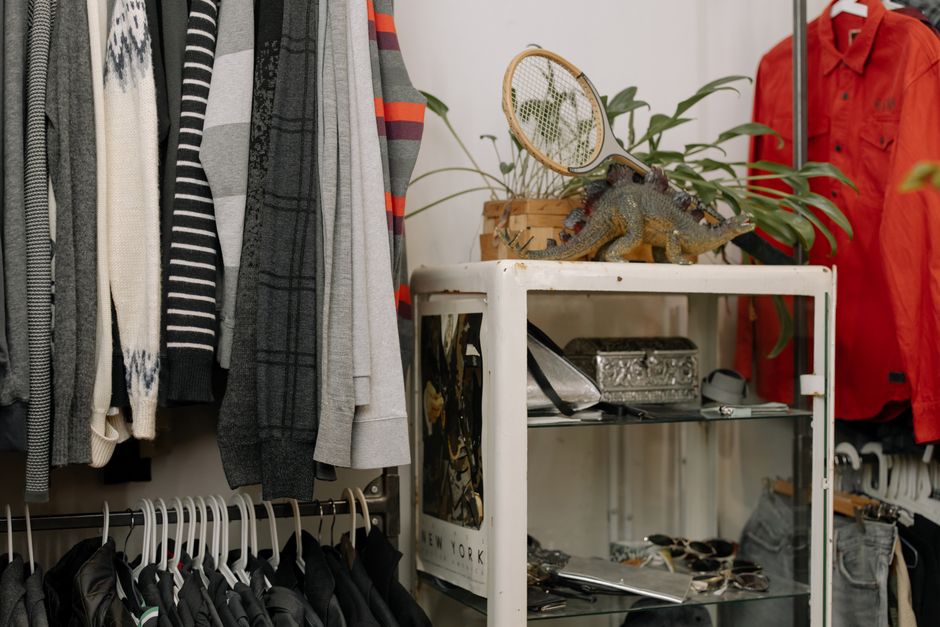
Walk into a thrift shop with a spending limit and a short brief. Otherwise, the low prices trick you into buying more than you planned. A $12 mistake still wastes money when it sits unworn in your wardrobe.
Follow this four-step shopping rule
- Choose one category. Pick a jacket, knitwear, trousers, accessories, or shoes before you enter.
- Set a hard limit. A useful beginner budget is $40-$75 for one visit. Keep at least 20 percent unspent for a genuine standout piece.
- Allow for repairs. Reserve $10-$25 for buttons, hems, dry cleaning, or minor stitching.
- Leave a no-buy zone. Reject anything with a smell, damaged lining, permanent stains, or a fit that needs major alteration.
Price the garment and the work together
A $25 coat that needs $70 in tailoring is not a bargain. A $45 skirt with a clean hem and strong fabric may be the smarter purchase. Add the expected repair bill before you decide, then compare the total with the cost of a modern garment that already fits.
Keep a phone note with three columns: item, total expected cost, and outfits it can make. If you cannot name at least three outfits using clothes you already own, put the item back. That single rule cuts impulse purchases quickly.
Do not confuse a low price with a low risk
Cheap synthetic fabric, missing buttons, stretched elastic, and hidden alterations are common thrift-store traps. The right budget rule is simple: spend more on durable material and less on novelty. Your winner is the item you can wear next week, not the one with the most dramatic story.
How to Tell If a Vintage Garment Is Worth Buying
Check the garment in the same order every time. First inspect the fabric, then the seams, then the closures, then the fit. This prevents a famous label from distracting you from moth holes, warped panels, or a broken zipper. Prices below are practical thrift targets, not fixed market values; city, condition, age, and demand can change them.
Start with fabric and construction
For jeans, the Levi’s 501 is a strong beginner buy at roughly $20-$45 when the denim is clean, the crotch is intact, and the waist fits without strain. Check the button fly, back-pocket stitching, care label, and inner leg seams. Fading adds character, but large holes in stress areas reduce wearability fast. Verdict: choose the 501 when you want durable casual denim and can accept a less modern cut.
A Pendleton wool shirt can make sense around $25-$60. Hold it to the light and inspect the underarms, cuffs, collar, and front placket for thinning or tiny holes. Wool should feel dense rather than papery. Verdict: Pendleton is the better first vintage shirt when warmth and structure matter more than a slim silhouette.
Test the parts that are expensive to repair
The waxed-cotton Barbour Bedale is worth a thrift price of about $60-$140 only when the fabric remains sound and the lining is usable. Rub the elbows, cuffs, pockets, and lower hem between your fingers. Look for brittle fabric, heavy odor, torn lining, and failed snaps. A replacement lining or professional rewax can erase the savings. Verdict: buy the Bedale for a weather-ready outer layer, but skip one with brittle waxed cotton.
Two quick tips save time. Smell every wool or leather piece before trying it on; odors often survive a normal wash. Also check the care label before buying: dry-cleaning costs can turn a $30 find into a poor deal.
What Should a Beginner Buy First?
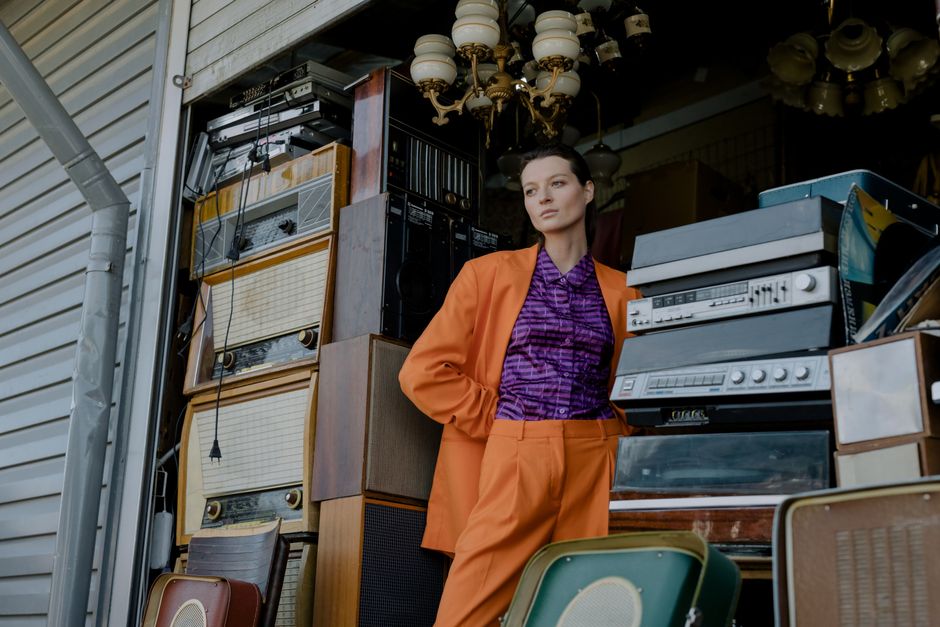
Start with accessories and simple layers. They create less fit risk than trousers or fitted dresses, and they can change several outfits at once. My clear order is leather bag, belt, wool layer, then shoes. Leave complicated tailoring for later.
Is a vintage leather bag the safest first purchase?
Yes. A Coach Legacy leather bag is a sensible target at about $40-$100 if the leather is supple, the strap attachments are firm, and the interior has no peeling coating. Check corners, hardware, stitching, and the base. A scratched surface can add character; a cracked strap cannot. Verdict: choose the Coach bag when you want the most outfit impact with the least sizing risk.
Are vintage shoes worth the trouble?
Only when the soles and structure pass inspection. Dr. Martens 1460 boots often appear around $35-$90. Check the heel wear, sole separation, eyelets, lining, and inside heel area. Try both shoes with the socks you normally wear. Verdict: buy the 1460 when the soles are even and the boots feel secure; skip them when the heel leans or the sole has started separating.
- Buy a belt if the holes, buckle, and leather edges are intact.
- Buy a scarf if the fabric has no pulls and the color works with at least three outfits.
- Skip hats with crushed structure, makeup marks, or a stretched inner band.
Three Thrift-Shop Mistakes That Cost More Than the Garment
My strongest advice: never buy a vintage piece because it has a label. A respected name raises interest, not quality. The garment still needs to fit, function, and survive another season.
Mistake one: buying for the fantasy size
Old sizing does not match current sizing. Ignore the number on the tag. Measure the chest, waist, hip, shoulder width, rise, and garment length with a tape measure, then compare those numbers with a garment you already wear. A piece that is two sizes too small rarely becomes comfortable through wishful thinking. Minor sleeve or hem changes are manageable. Major shoulder, bust, or rise changes are expensive and can ruin the original shape.
Mistake two: ignoring hidden damage
Turn every garment inside out. Check seam allowances, pocket bags, elastic, lining, and the area beneath collars and cuffs. Stains around the underarms may worsen with cleaning. Dry rot in leather can look like ordinary wear until the strap breaks. Moth damage may appear as three tiny holes rather than one obvious patch. If the damage affects a structural seam, leave it behind.
Mistake three: buying a costume instead of a wardrobe piece
One dramatic item is enough. Pair it with modern basics and neutral shoes so it reads as personal style rather than a themed outfit. If a piece only works with matching vintage accessories, it is not a smart beginner purchase. The best find should earn at least three outfits within the next month.
Use This Fast Decision Table at the Thrift Store
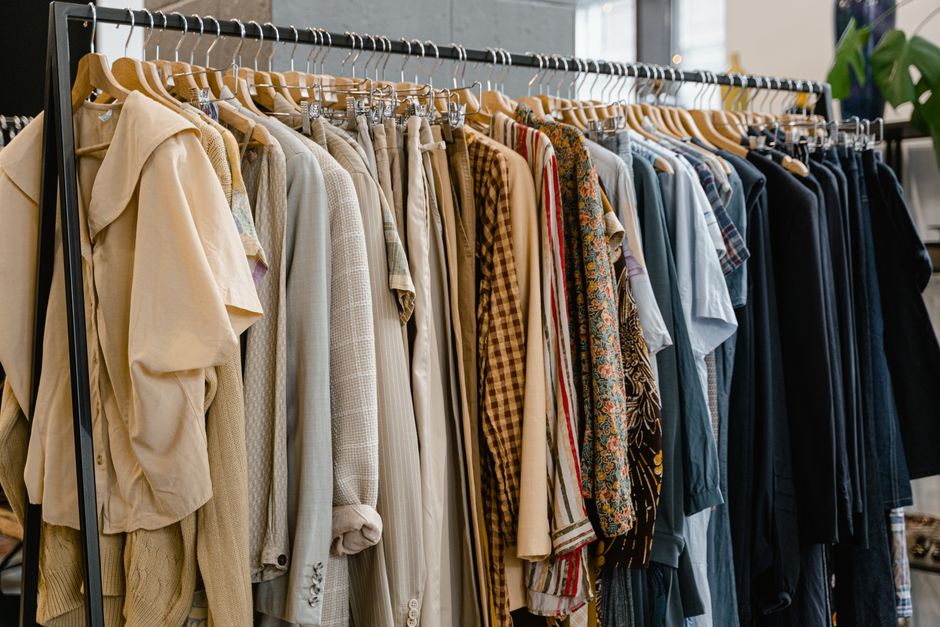
When the shop is crowded and the fitting room line is long, use this final filter. It gives you a clear answer in under five minutes. The best choice is the one with strong construction, manageable care, and an obvious place in your existing wardrobe.
Make the decision with evidence
| Question | Yes | No | Decision |
|---|---|---|---|
| Does the fabric feel dense and intact? | Keep inspecting | Reject | Fabric damage is rarely cheap to fix |
| Do the shoulders, waist, or rise fit now? | Continue | Reject unless alteration is minor | Fit comes before label |
| Can you name three outfits? | Continue | Reject | Prevent wardrobe clutter |
| Is the repair cost under $25? | Consider buying | Reject | Protect the budget |
| Will you wear it within 30 days? | Buy if all checks pass | Reject | Use beats rarity |
Take the clear winner
Choose a clean, well-made layer over a famous but damaged label. Choose a bag with sound leather over shoes with worn soles. Choose a garment that fits your present body over one you hope to fit later. For a first trip, the winning formula is simple: good fabric, honest condition, useful fit, and three real outfits. That is how thrifting vintage fashion becomes a repeatable style skill instead of an expensive guessing game.