Why silk scarves can make outfits feel awkward
You have a good outfit on, but something still feels unfinished. You tie a silk scarf around your neck, look in the mirror, and suddenly the whole look feels fussy. The problem usually is not the scarf. It is the placement, scale, or contrast.
The real job of a silk scarf
A silk scarf adds color and movement near the face, but it also creates a strong visual line. That line can shorten the neck, widen the shoulders, or pull attention away from an otherwise simple outfit. The accessory works best when it solves a visible problem. A plain black sweater may need color. A loose white shirt may need shape. A denim jacket may need a softer detail.
Match the scarf to the outfit structure
Start by reading the clothing before choosing the knot. A busy floral scarf needs quiet clothing. A plain scarf can handle stripes, denim, or a sharp blazer. Soft silk also looks better against firm fabrics such as denim, cotton poplin, leather, and wool. If every piece feels soft and loose, the scarf has nothing to balance.
My verdict: use a silk scarf as an outfit correction, not as decoration added at random. Decide what the look lacks first, then choose the scarf position that supplies it.
How to choose the right silk scarf size and weight

Size changes what a scarf can do. A small square creates a neat accent, while a large square can act almost like a light layer. Before buying, measure the scarves you already own and test them in front of a mirror. The right choice should give you at least three useful styling options.
Use this size guide
| Scarf size | Best uses | Main tradeoff |
|---|---|---|
| 20 to 22 inches | Wrist, ponytail, bag handle, small neck knot | Limited drape |
| 27 to 28 inches | Neck bow, belt, shoulder wrap | Needs careful folding |
| 35 to 36 inches | Classic neck tie, top layer, large bow | Can overwhelm a petite frame |
Pick weight by the clothing you wear
Lightweight silk charmeuse slides easily and suits a loose knot or hair tie. Silk twill feels firmer, holds a fold, and works better for a belt or structured neck tie. A narrow silk scarf creates less volume under a coat. For most wardrobes, a medium-weight square around 27 inches gives the best balance of shape and flexibility.
Choose a print with at least two colors already present in your wardrobe. That simple link makes the scarf look intentional. My best all-purpose choice is a 27-inch silk twill in a medium contrast print.
Five unexpected ways to wear a silk scarf
The classic neck knot is useful, but it is only one option. These five placements make a silk scarf feel modern because they move it away from the center of the throat and into areas that often need more detail.
Try these styling moves
- Wrap it around your wrist. Fold a 20-inch square into a narrow strip, wrap it twice, and tie a small knot underneath. Wear it with a watch or a plain metal bracelet.
- Thread it through a belt loop. Use a 27-inch square folded into a strip. Pull it through one front belt loop and let both ends fall beside the pocket. This adds color without tightening the waist.
- Tie it to a bag handle. Wrap the scarf around one handle, leave a short tail, and knot it near the base. Keep the bag itself simple so the pattern remains visible.
- Wear it over one shoulder. Fold a larger square into a triangle, place the point toward the back, and secure the ends under the opposite arm with a discreet knot.
- Layer it under a blazer collar. Fold the scarf into a slim band and place it beneath the collar so only a narrow strip shows. This replaces a necklace and keeps the neckline clean.
Choose one focal point
Do not combine several scarf placements in one outfit. The strongest version uses one unexpected detail and leaves the rest quiet. The belt-loop style looks best with a tucked shirt and straight-leg trousers. The shoulder version needs a fitted top underneath. The bag-handle version works when the outfit already has enough color.
For an easy first attempt, start with the bag handle or wrist. Both add personality without changing the proportions of your clothes.
Which silk scarves are worth buying?
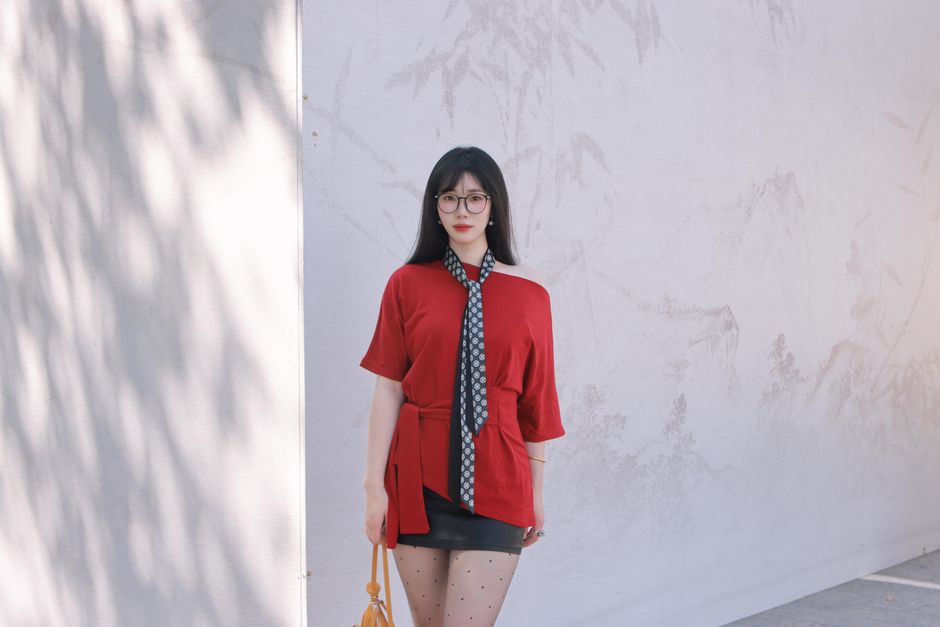
My clear pick for most wardrobes is the Quince Washable Silk Bandana. It costs about $39.90, measures roughly 21 by 21 inches, and gives beginners enough structure for a wrist, bag, or small neck tie. Luxury scarves feel beautiful, but price alone does not create better styling.
Compare the practical choices
| Product | Size and price | Best use |
|---|---|---|
| Quince Washable Silk Bandana | About 21 x 21 inches, $39.90 | First scarf and casual outfits |
| J.Crew Silk Skinny Scarf | About 2 x 54 inches, $49.50 | Blazer collar and narrow neck tie |
| Madewell Silk Bandana | About 20 x 20 inches, $68 | Bag handle and wrist styling |
| Coach Signature Silk Square Scarf | About 27.5 x 27.5 inches, $195 | Polished workwear outfits |
| Hermès Silk Twill 90 | 90 x 90 cm, about $560 | Statement drape and long-term collection piece |
Know what the price actually buys
The J.Crew skinny shape creates clean lines but cannot become a shoulder wrap. The Quince and Madewell options offer easier casual styling. Coach gives you a larger square and a more polished finish. Hermès wins for print quality, hand-rolled edges, and collectability, not for basic outfit value.
Skip the Hermès purchase if you want a scarf for rough daily use or frequent washing. Buy the Quince instead. For a work wardrobe built around blazers, Coach is the strongest upgrade.
How to style five scarf outfits without losing polish
The best silk scarf outfit looks edited, not decorated. Build the clothing first, then add the scarf in the place that fixes the weak spot. A simple formula keeps the result wearable: one pattern, one metal finish, and one clear focal point.
Build the five looks step by step
For the wrist version, wear a white cotton shirt, dark straight-leg jeans, loafers, and a small printed scarf. Keep the sleeves rolled once so the accessory remains visible. For the belt-loop version, pair a navy knit top with cream trousers and a slim leather belt. Fold the scarf to about two inches wide; a thick fold will look bulky beside the pocket.
For a bag handle, choose a solid-color outfit such as a black slip skirt, gray sweater, and ankle boots. A Madewell Silk Bandana adds a small hit of color without competing with the skirt. For a shoulder drape, use the 90-centimeter Hermès Silk Twill 90 over a fitted black dress. Secure it under the opposite arm if you plan to move around.
The blazer version needs the least fabric. A J.Crew Silk Skinny Scarf under a charcoal blazer creates a narrow color line and keeps the lapels visible. Tie it once, then let the ends fall straight. This is more polished than a large bow for office clothing.
Fix the common proportion problems
If your neck looks shorter, move the knot lower or choose the skinny scarf. If your torso looks wider, keep the scarf vertical instead of tying it horizontally at the throat. If the print feels too loud, repeat one scarf color in your shoes, bag, or earrings. The best choice for a first polished outfit is the blazer collar because it gives control over volume and stays in place.
Silk scarf mistakes: questions worth answering
Why does my silk scarf keep slipping?
Very smooth silk slips when you tie it loosely or place it over another slick fabric. Fold the scarf into a narrow band, make one firm knot, and anchor it under a collar or blazer lapel. A small safety pin hidden behind the fabric can hold a shoulder drape, but avoid pinning through the visible center. Silk twill usually stays in place better than charmeuse because its surface has more grip.
When should I skip a silk scarf?
Skip it when the outfit already has a large statement collar, heavy necklace, or crowded print. A scarf can also look wrong for active days when you need hands-free movement and easy washing. Choose a cotton bandana for outdoor wear, a wool neckerchief for cold weather, or a satin accessory if you want the shine at a lower price. Do not buy a large square only because it looks impressive in a display case; buy it when you can name three outfits for it.
For dry-clean-only care, follow the label and store the scarf flat or loosely rolled. The future of scarf styling is moving toward smaller, more personal details: a handle wrap, a wrist knot, or a sharp line under a collar. That shift makes the accessory easier to wear and far more useful than the old one-knot rule.