
What counts as a spring wardrobe essential for men?
A spring essential is not simply a garment that looks good in a store window. It must solve a recurring problem: cool mornings, warmer afternoons, sudden rain, and social plans that shift from casual to polished. The best pieces earn regular wear because they work across several temperatures and settings.
The real job of a spring layer
Spring clothing sits between winter protection and summer ease. Heavy wool traps too much heat, while thin jersey offers little help before noon. A useful middle layer should add warmth without creating bulk. Cotton twill, lightweight denim, linen blends, and tightly woven nylon all work because they handle movement and moderate weather without making an outfit look seasonal in a forced way.
Use a three-outfit test
Before buying, build three outfits in your head using clothes already in the wardrobe. A shirt should work with jeans, chinos, and shorts. A jacket should sit over a T-shirt and a button-down. Shoes should handle at least two trouser shapes. If a piece only works with one outfit, it is a special-interest purchase, not an essential.
Verdict: Start with flexible layers and repeatable colors. Navy, stone, olive, white, light blue, and brown create more combinations than loud seasonal shades.
The seven-piece spring foundation

The strongest spring wardrobe does not need a large shopping list. It needs a small group of pieces with different weights and clear jobs. The table below gives a practical starting point for one man who wants weekday, weekend, and smart-casual options.
| Piece | Useful specification | Best colors | Primary job |
|---|---|---|---|
| Oxford shirt | 100% cotton or cotton blend, regular or relaxed fit | White, blue | Office and weekend layering |
| Plain T-shirt | 180–220 GSM cotton, sturdy collar | White, gray, navy | Base layer |
| Lightweight jacket | Unlined or lightly lined, water-resistant shell | Olive, navy, tan | Morning warmth and light rain |
| Chinos | Midweight cotton twill, 7–9 inch rise | Stone, navy | Smart-casual trousers |
| Straight-leg jeans | 12–14 ounce denim, moderate stretch or rigid cotton | Medium blue | Everyday wear |
| Low-profile sneakers | Rubber sole, leather or canvas upper | White, cream | Casual outfits |
| Loafers or casual derbies | Leather or suede, flexible sole | Brown, dark brown | Dinners and dressier plans |
These pieces also create a sensible spending order. Buy the jacket and trousers first if the current wardrobe lacks structure. Buy shirts first if the problem is repetition at work. A second pair of sneakers can wait.
Verdict: The Oxford shirt, lightweight jacket, and stone chino deliver the biggest spring upgrade because they cover the widest range of outfits.
How to choose spring shirts that handle warm days
Most men buy spring shirts by color, then discover that the fabric feels too hot or the fit collapses after washing. Fabric and shape deserve equal attention. A shirt that looks sharp for ten minutes but sticks to the back during a commute is not a useful essential.
Pick breathable fabric with enough structure
Oxford cloth is a reliable default because its basket weave allows airflow while keeping a collar and cuffs from looking limp. The Uniqlo Oxford Shirt, usually priced around $39.90, is a practical budget choice for men who want a clean blue or white layer without paying for designer branding. For hotter weather, look for linen-cotton blends around 100–150 GSM. Pure linen feels cooler but wrinkles faster, so it suits relaxed settings better than formal offices.
Check the fit at the shoulder and hem
The shoulder seam should finish close to the shoulder bone. The chest should allow a flat hand between fabric and body, not a closed fist. A casual shirt can end around mid-fly, while a shirt meant to tuck should cover the waistband without ballooning. Sleeves should leave roughly one inch of cuff showing beneath a jacket.
Do not buy a shirt simply because the label says relaxed. Some relaxed cuts are wide through the torso but narrow at the arm, which makes layering uncomfortable. Wash the shirt according to its care label and allow for shrinkage before judging the final fit.
Verdict: Choose a structured cotton Oxford for the most versatile first purchase. Add linen only when you accept visible wrinkles as part of the look.
Which lightweight jacket deserves the money?
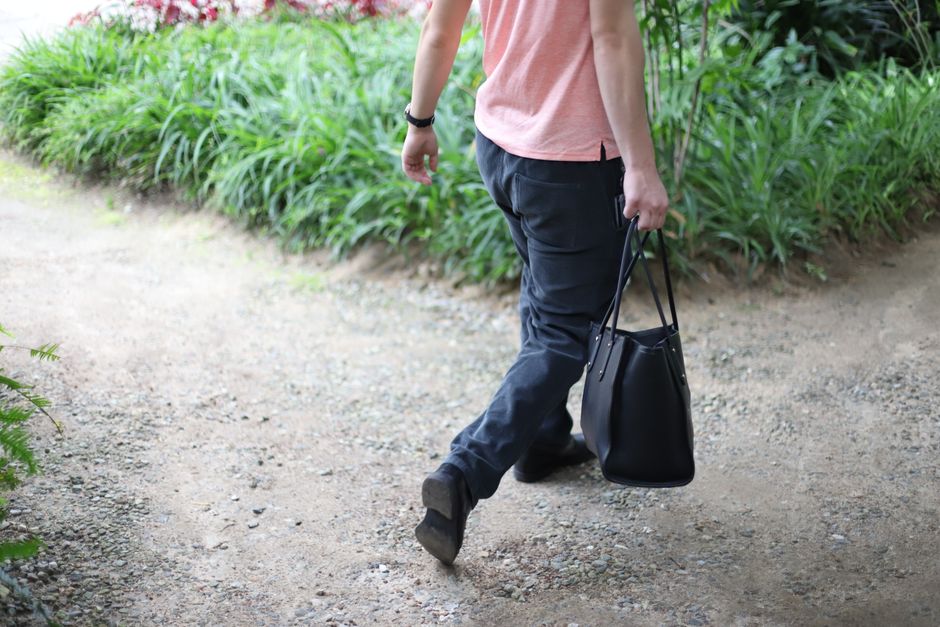
A spring jacket should protect an outfit from cold air and light rain without turning every layer underneath into a padded stack. The right choice depends on how much weather protection you need and how often the jacket will be worn after spring.
| Jacket | Typical price | Strength | Weakness | Best buyer |
|---|---|---|---|---|
| Barbour Ashby | About $415 | Waxed cotton, strong weather resistance | Heavy, needs care, warm indoors | Country weekends and long-term use |
| Uniqlo Blocktech Parka | About $79.90 | Light, packable, rain protection | More technical than tailored | Commuters and travelers |
| Cotton chore jacket | $70–$180 | Easy layering and smart texture | Limited rain protection | Dry climates and casual offices |
My pick for most wardrobes
The cotton chore jacket is the best value for most men because it adds shape without looking like outdoor equipment. Pick one with two large patch pockets, a straight hem, and enough room for a sweatshirt. Navy or washed olive will work with denim, chinos, and shorts.
When not to buy waxed cotton
Skip the Barbour Ashby if you live in a hot city, rarely walk outdoors, or dislike maintenance. Waxed cotton can transfer residue to car seats and needs rewaxing as it dries. The premium only makes sense when you will wear it for years in cool, damp conditions.
Verdict: Buy the chore jacket for style-per-dollar. Buy the Blocktech Parka for wet commutes. Choose the Ashby only for a specific outdoor lifestyle.
Five outfit formulas that remove guesswork
Good spring dressing should reduce morning decisions. These formulas give each item a clear role and keep the color balance simple.
- Office casual: Blue Oxford shirt, navy chinos, brown loafers, and a tan chore jacket. Roll the sleeves once when the day warms up.
- Weekend errands: White T-shirt, medium-blue straight jeans, cream sneakers, and an olive overshirt. Keep the shirt untucked and the denim hem clean.
- Cool morning: Gray sweatshirt, white Oxford shirt underneath, dark jeans, and a lightweight parka. The visible collar adds structure without requiring a tie.
- First warm evening: Knit polo, stone chinos, suede loafers, and a navy jacket. This is sharper than a T-shirt but still relaxed.
- Casual travel day: Navy T-shirt, olive fatigue pants, low-profile sneakers, and a cotton overshirt. Use one accent color only, such as rust socks or a brown belt.
Notice the pattern: one textured layer, one clean base, and one trouser color that does not compete for attention. Avoid matching every item too closely. A navy jacket with navy trousers can look flat unless the fabrics clearly differ.
Verdict: Keep outfit formulas simple enough to repeat. Repetition is useful when the proportions change through shoes, layers, or texture.
What men get wrong in spring
Do I need a new wardrobe every season?
No. Spring is a transition, so existing pieces often need better combinations rather than replacement. A winter merino sweater can work over an Oxford shirt on a cold morning. Summer shorts can wait until temperatures stay warm through the evening. Buying too early creates a closet full of items that feel wrong for the actual weather.
Why do my layers look bulky?
The problem is usually fabric order. Put the thinnest layer closest to the body and the most structured layer outside. A heavy hoodie under a narrow denim jacket will look crowded. Choose a roomy overshirt or a jacket with a chest measurement at least 4–6 inches larger than the body measurement.
When should I skip a trend?
Skip exaggerated cargo pockets, ultra-wide trousers, or loud pastel color blocks if they do not connect to the rest of the wardrobe. A trend becomes expensive when it requires new shoes, new tops, and new outerwear to look intentional. Also skip pale suede shoes if you walk through wet streets daily; a clean leather sneaker will survive more real use.
Another common mistake is ignoring care. Wash dark denim separately, air-dry cotton when possible, and use a lint brush on textured jackets. Small maintenance habits extend wear more than another shopping trip.
Verdict: The smartest spring purchase is often the one that fixes a fit or layering problem already visible in the closet.
Where to spend first and what to skip
Spend on the pieces that touch every outfit. For most men, that means trousers, shoes, and one reliable outer layer. A bright overshirt may look more exciting, but it cannot rescue trousers that bunch at the ankle or shoes that make every outfit too casual.
| Purchase | Typical price | Why it earns space | Skip it when |
|---|---|---|---|
| Levi’s 501 Original jeans | About $84.95 | Recognizable straight fit and broad styling range | You need stretch or a slimmer leg |
| adidas Samba OG | About $100 | Low profile, works with jeans and chinos | You need walking comfort over style |
| Nike Killshot 2 | About $90 | Simple leather and suede texture | You live in a very wet climate |
| J.Crew 484 shorts | About $69.50 | Useful 8-inch length for casual summer transition | Shorts are not part of your routine |
Buy one strong pair of trousers before buying a third shirt. Buy shoes after deciding how much walking they must handle. The adidas Samba OG is a style pick, not a running shoe, and that distinction matters.
For a $300 starter budget, a $39.90 Oxford shirt, $84.95 jeans, $90 sneakers, and a $79.90 parka use the money more efficiently than one expensive jacket. A credit card charging roughly 20%–30% APR can make a small wardrobe much more costly, while late fees may add $30 or more. Pay cash when possible. This is not financial advice; it is a reminder to keep clothing purchases inside a realistic budget.
Bottom line: Spring wardrobe essentials for men should create outfits, not clutter. Start with a breathable shirt, straight trousers, practical shoes, and one layer matched to your climate. In 2026, the strongest menswear direction is still useful clothing with better proportions, so a well-fitting core will outlast the next trend cycle.