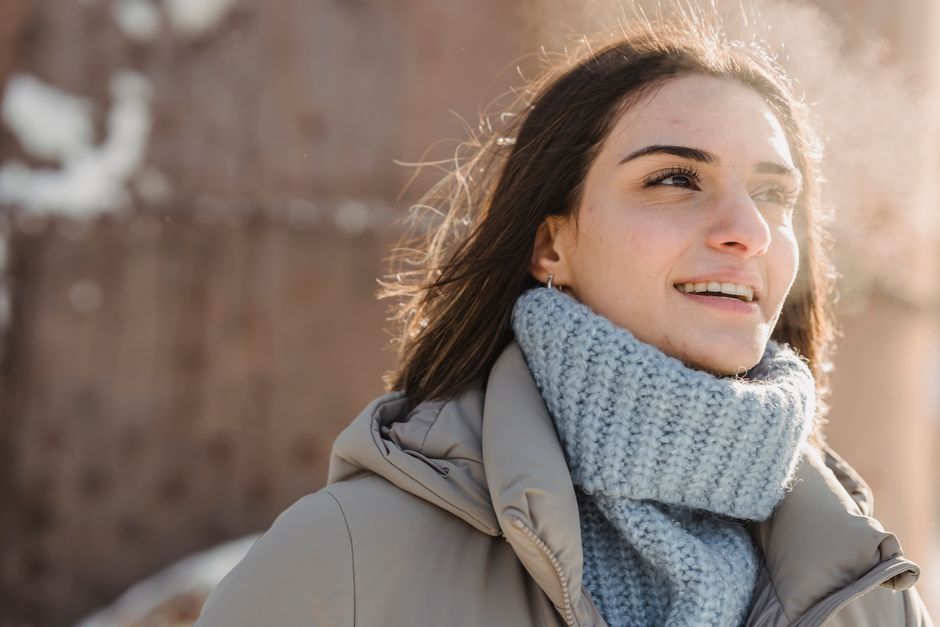
The common misconception is simple: cashmere feels softer, so many shoppers assume it must also be warmer and better made. Then fall arrives. You wear a beautiful cashmere sweater on a damp morning commute, feel cold by lunch, and watch the cuffs develop pills after three outfits. A merino sweater may feel less luxurious at first, yet it handles changing temperatures, sweat, and regular wear with less fuss.
The better choice comes down to the job. Cashmere gives more warmth and softness for its weight. Merino wool manages moisture, repeated wear, and temperature swings better. For most active fall wardrobes, merino is the smarter daily sweater. Cashmere wins when you want lightweight insulation for dinners, offices, and quiet weekends.
Which Is Warmer: Cashmere or Merino Wool?
The quick warmth answer
Cashmere is usually warmer by weight because its fine fibers create a soft, lofty layer of still air around the body. A thin cashmere crewneck can feel warmer than a similar-weight merino knit. That advantage matters when you want to pack light or layer under a tailored coat without adding bulk.
Merino can still feel warmer in real fall weather. Its performance improves when the sweater has a dense knit, a close fit, and enough fabric at the neck and cuffs. A loose, lightweight cashmere sweater lets cold air move through the openings. A compact merino pullover can block that draft more effectively.
Warmth, moisture, and wear compared
| Feature | Cashmere | Merino wool | Fall verdict |
|---|---|---|---|
| Typical fiber fineness | About 14 to 19 microns | About 17 to 24 microns | Cashmere feels softer |
| Warmth by weight | Very high | High | Cashmere wins for light layering |
| Moisture handling | Moderate | Excellent | Merino wins for commuting |
| Resistance to abrasion | Low to moderate | Moderate to high | Merino lasts longer in daily rotation |
| Best knit weight | Light or medium gauge | Medium or fine gauge | Match the knit to the weather |
Those figures describe fiber behavior, not a guarantee for every garment. A dense cashmere cardigan can be warmer than a thin merino knit. Construction matters. Look for a firm neckline, neat seams, ribbed cuffs, and fabric that springs back after you gently stretch it.
My warmth verdict is clear: choose cashmere for the highest warmth-to-weight ratio, but choose merino when fall means walking, public transit, indoor heating, and changing weather in the same day.
Why Merino Often Feels Warmer on a Damp Fall Day

Fiber warmth is only part of the answer
Clothing keeps you warm by slowing the movement of heat away from your skin. The fiber traps air, the knit controls airflow, and the garment manages moisture next to your body. That is why a material with excellent insulation can still feel disappointing outdoors. If perspiration stays against your skin, your base layer feels cold. If wind moves through a loose knit, the trapped air stops helping.
Merino wool has a useful advantage here. Its fibers can absorb a small amount of water vapor without feeling wet on the surface. The fabric still needs time to dry, but it can feel more balanced during a brisk walk than a smooth synthetic or a loosely woven luxury knit. Merino also tends to recover its shape after movement, which helps the garment stay close to the body.
Why cashmere loses its edge during active wear
Cashmere is made from very fine undercoat fibers, usually from cashmere goats. Those fibers create a soft hand and strong insulation for a light garment. They are also less suited to friction. A shoulder bag, seat belt, desk edge, or rough jacket lining can rub the surface and create pills.
Cashmere does not fail because it lacks warmth. It fails when shoppers use a delicate knit as if it were a workhorse layer. A loose cashmere sweater over a cotton tee may be perfect for a cool restaurant. It is a poor choice for a long bike ride, a crowded train, or a day spent carrying a laptop bag.
Merino is the warmer-feeling choice in damp, active conditions because moisture control and a stable fit keep the insulation working. Cashmere remains the warmer-feeling choice in a calm, dry setting where softness and low weight matter more than abrasion resistance.
How to Choose the Fiber for Your Fall Routine
Use this five-question check
- Will you move in it? Pick merino for walking, cycling, travel days, or work that takes you in and out of buildings. Pick cashmere for low-activity wear.
- Will a bag rub against it? Choose merino if a backpack or crossbody bag will sit on the same shoulder every day. Cashmere needs a smoother outer layer and less repeated friction.
- Do you run hot indoors? Merino is easier to wear across heated offices and cool streets because it handles moisture better. A thin cashmere knit can work if you remove it before sweating.
- Do you need a polished layer? Cashmere gives the soft, refined surface that works well with trousers, silk skirts, and structured coats. Merino looks sharper when you choose a dense, fine-gauge knit.
- How often will you wash it? Both fibers benefit from infrequent washing, but merino usually tolerates a more active rotation. Cashmere needs more careful storage and reshaping.
The decisive rule
Buy merino when one sweater must solve several problems. Buy cashmere when you already own practical layers and want one comfortable piece for lighter, more polished dressing. This rule prevents the most common mistake: paying for softness, then expecting the sweater to handle every fall activity.
Do not use the label alone as your buying guide. Check the garment measurements. A merino sweater that is too loose loses heat through gaps. Cashmere that is too tight sees more friction at the underarms and elbows. A slightly relaxed fit works best for layering, but the shoulder seam should still sit close to your actual shoulder.
For most people, one medium-weight merino crewneck plus one lighter cashmere layer is a better fall wardrobe than two cashmere sweaters. The pair covers errands, travel, office wear, dinners, and mild outdoor days without forcing one delicate garment to do everything.
Which Sweater Works Best for Common Fall Situations?
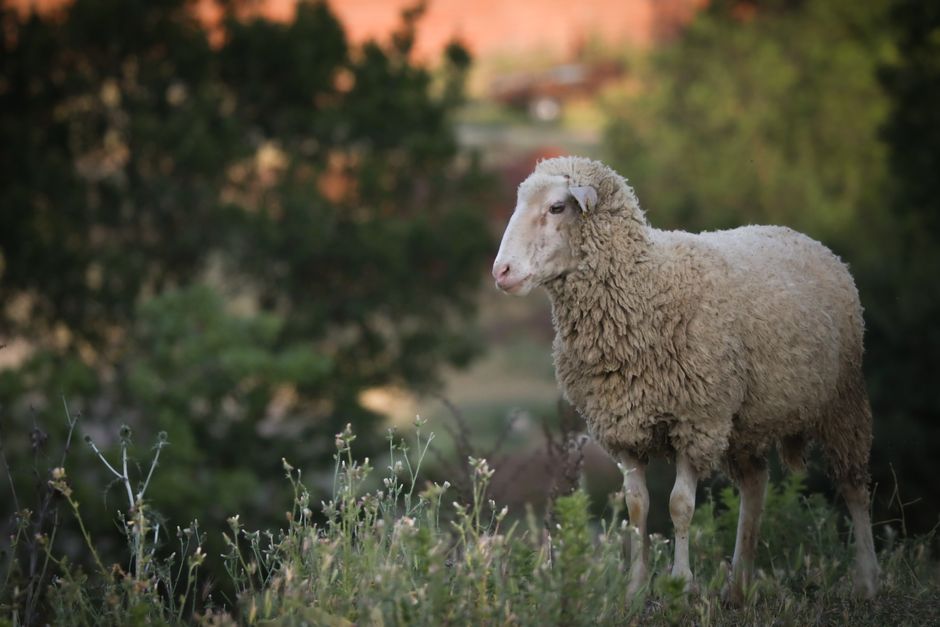
What should you wear for a daily commute?
Choose merino. A Uniqlo Extra Fine Merino Crew Neck Sweater is a practical example: it uses 100% merino wool and is commonly sold in a fine, lightweight knit that works under a blazer or coat. Its roughly 19.5-micron fiber feels smoother than coarse traditional wool, while the compact construction handles repeated movement better than most light cashmere.
For a colder commute, the Icebreaker Merino 200 Oasis Long Sleeve Crewe gives a different kind of solution. It is a 100% merino layer built around 200 g/m² fabric and 18.5-micron fibers. It is closer to a base layer than a dress sweater, but it shows why merino works well when you are moving between cold streets and warm interiors. The clear winner for active commuting is merino.
What should you wear for a quiet weekend or dinner?
Choose cashmere. The Quince Mongolian Cashmere Crewneck is a useful example of the soft, lightweight format shoppers expect from cashmere. The Naadam Essential $75 Cashmere Sweater is another familiar benchmark for a simple 100% cashmere crewneck at the lower end of the cashmere market. Prices can change, so judge the current label, seam finish, and return policy instead of treating a low price as proof of poor quality.
Cashmere is also the better choice when you want a refined layer that feels comfortable against bare skin. My verdict for dressier, low-friction wear is cashmere, provided you will not carry a rough bag or wear it for strenuous activity.
What Makes a Wool Sweater Last?
The mistakes that shorten sweater life
The biggest failure mode is friction. Pills form when loose fibers tangle on the surface. They are especially common under the arms, along the sides, and where a bag touches the shoulder. Cashmere pills faster because its fibers are finer and weaker at the surface. Merino can pill too, especially in a loose knit, but it usually resists daily abrasion better.
- Do not wear a cashmere sweater under a rough wool coat with a scratchy lining.
- Do not hang a wet sweater from a thin hanger. The shoulders can stretch and the weight can distort the shape.
- Do not wash either fiber in hot water. Heat, agitation, and sudden temperature changes can shrink wool.
- Do not pull pills by hand. Use a sweater comb gently on a dry, flat garment.
- Do not store wool in a plastic dry-cleaning bag. Airflow matters, and pests prefer undisturbed natural fibers.
The care routine that protects both fibers
Turn the sweater inside out and wash it in cool water with a small amount of wool detergent. A mesh bag reduces twisting in the machine. If the care label allows machine washing, select the wool or delicate cycle with low spin. Otherwise, wash by hand and press out water without wringing.
Lay the sweater flat on a dry towel. Roll the towel once to remove excess water, then reshape the shoulders, cuffs, and hem. Let it dry away from direct heat. Wash after several wears rather than after every use, and air the garment between wears.
J.Crew Cashmere Classic-fit Crewneck and Quince Mongolian Cashmere are best treated as rotation pieces, not daily uniforms. For a sweater that will be worn two or three times a week, merino is the safer investment. Durability is not just fiber quality; it is how often the garment faces friction and how carefully you handle it.
Which Cashmere and Merino Sweater Should You Buy?
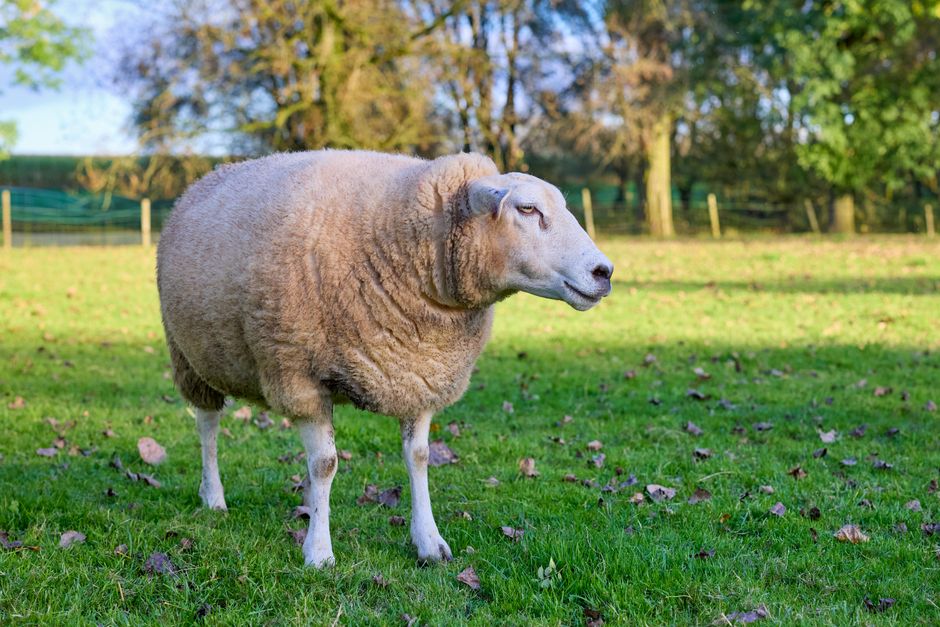
Best examples for a practical fall wardrobe
For a first merino purchase, the Uniqlo Extra Fine Merino Crew Neck Sweater is the strongest value-style option because its fine 100% merino construction works with jeans, tailored trousers, and skirts. The Icebreaker Merino 200 Oasis Long Sleeve Crewe is the better performance layer because its 200 g/m² weight and 18.5-micron fibers suit walking and travel, even though its close fit reads more like technical clothing.
For cashmere, the Quince Mongolian Cashmere Crewneck is the best entry point when softness and a simple silhouette matter most. The Naadam Essential $75 Cashmere Sweater makes sense for shoppers who want a lower-cost cashmere benchmark, but inspect the knit density and current return terms before buying. The J.Crew Cashmere Classic-fit Crewneck is the better polished option when you want a familiar office shape and plan to wear it with structured layers.
The final buying decision
Choose merino wool for daily fall wear. It offers the best balance of warmth, moisture control, shape recovery, and resistance to bag friction. Choose cashmere for a second sweater that adds softness and light insulation to a calmer wardrobe.
For dry-sensitive skin, select the finest merino you can find, ideally around 18.5 to 19.5 microns, or wear a smooth base layer underneath. For maximum warmth with minimal bulk, choose cashmere under a coat. For travel, commuting, and frequent use, the merino sweater is the clear winner. Cashmere is warmer in theory; merino is more useful across a real fall day.