Why You Keep Buying Jumpsuits and Regretting Them
The summer jumpsuit has exactly one design flaw nobody writes about in the reviews: you have to get almost entirely undressed to use a public restroom. I’ve accepted this. After eight summers of buying, wearing, returning, and re-buying them, I’ve decided the trade-off is worth it — but only when you get the right one.
Most people don’t. They buy based on how a jumpsuit photographs, not how it performs on a 90-degree day after four hours of walking. They pick polyester because it drapes beautifully in the dressing room. They choose a halter neck because it photographs well. Then August hits and the whole thing becomes unwearable.
There’s also a guilt cycle that kicks in. You know you’ve bought a bad jumpsuit before. You tell yourself this one is different. Sometimes it is. Often it isn’t. What separates a jumpsuit you actually wear from one that hangs in the back of your closet isn’t style instinct — it’s knowing which specific details to check before you buy, and knowing which mistakes to avoid completely.
This guide covers those details: the fabric that actually works in summer heat, the fit problems nobody warns you about, how the main styles compare, and which brands are genuinely worth spending money on.
The Fabric Breakdown: What Keeps You Cool vs. What Wrecks You
This is the most important decision you’ll make, and it isn’t close. The wrong fabric turns a jumpsuit into a full-body sweater by noon. The right one lets you actually enjoy wearing it.
Linen: The Clear Winner
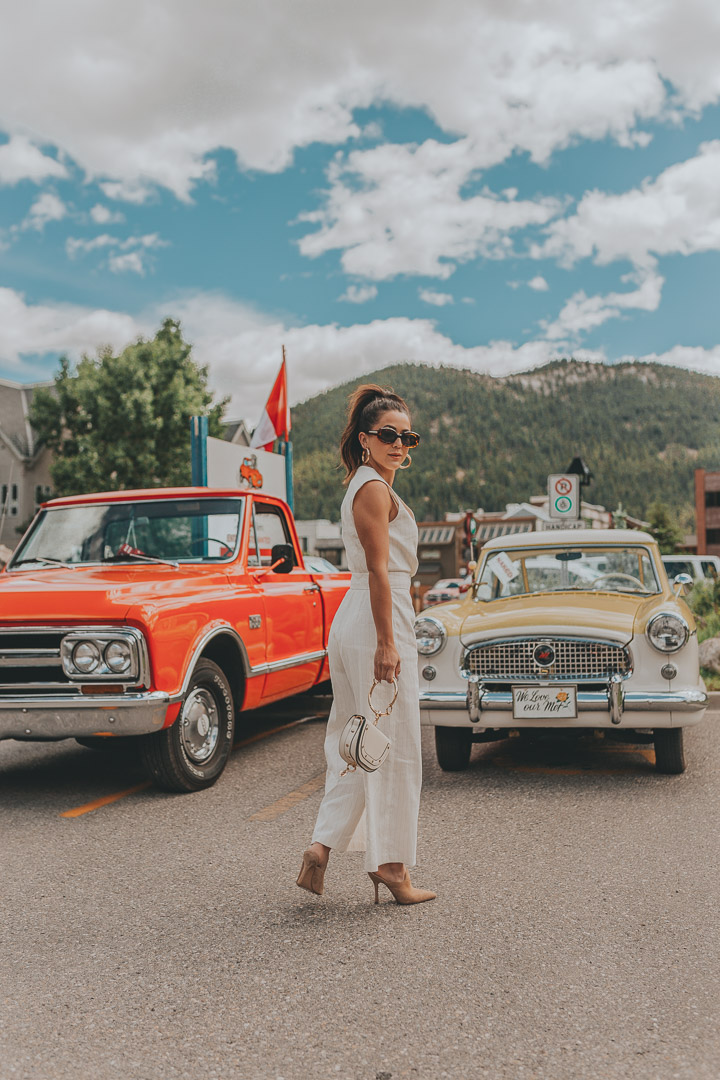
100% linen is the best summer jumpsuit fabric available. It breathes, gets softer with every wash, and actually improves as it wrinkles — which matters because linen will wrinkle, and you need to make peace with that before buying. The Reformation Margot Wide Leg Linen Jumpsuit ($248) and the Mango Linen Jumpsuit with Belt ($70) both use quality linen and hold their shape after repeated washing without going limp or boxy.
Lighter linen colors perform better in direct sun. Off-white, oatmeal, and sage reflect more heat than navy or black, which absorb it. If you’re buying specifically for outdoor days at peak summer temperatures, go light on color.
Linen-Cotton Blends: The Practical Middle Ground
Pure linen wrinkles aggressively and can feel stiff if the quality is low. A 55% linen / 45% cotton blend softens both problems. You get most of the breathability with a smoother drape and less of the crumple. ASOS Design makes several wide-leg jumpsuits in this blend for around $45–55. Not elevated, but genuinely comfortable for everyday summer wear and a solid entry point if you’re not sure you want to commit to full linen.
Avoid blends that dip below 50% linen. At that ratio you’re mostly buying cotton, and the word “linen” on the label is doing more marketing work than actual functional work.
Fabrics to Avoid Completely
Polyester is the most common mistake. It traps heat, generates static, and doesn’t breathe. It photographs beautifully — that smooth, liquid drape looks great on screen — but it becomes genuinely uncomfortable once temperatures hit 80°F. No amount of “lightweight” or “breathable weave” language in the description changes this. On a warm day, polyester is a punishment.
Viscose and rayon are also problematic in jumpsuits specifically. Soft, nice drape, but they absorb sweat and cling to the body as the day heats up. A rayon jumpsuit at 9am looks fine. At 2pm after lunch and a walk, it’s a different garment entirely.
Real silk gets a narrow exception. True woven silk breathes and regulates temperature well. But silk jumpsuits require dry cleaning, are genuinely delicate, and are not practical for daily summer wear. Unless you’re buying for a specific occasion and fully understand the care requirements, linen is the better call every single time.
Five Fit Mistakes That Ruin a Good Jumpsuit
I’ve made every one of these. Some of them twice.
- Buying based on your top size when your hips are bigger. Jumpsuits are notorious for this mismatch. If you’re a size 10 on top and a 14 on the bottom, a standard-cut jumpsuit will gap at the waist or pull tightly across the hips with no easy fix. Some brands offer separate top and bottom sizing in specific styles — use that feature when it exists, and check reviews specifically for comments on hip fit before ordering.
- Ignoring the rise measurement. A low-to-mid rise jumpsuit looks great standing but creates real discomfort after hours of sitting. Check the rise before buying. If you’re wearing it to work or to any event where you’ll be seated for extended periods, go high-rise.
- Getting the shoulder seam wrong. If the shoulder seam falls past your actual shoulder, the whole garment sits wrong and there’s nothing you can do about it without a tailor. This is especially a problem with off-shoulder and wide-strap styles. Try before you buy, or choose retailers with a generous return window and keep the tags on until you’ve worn it indoors first.
- Buying the “right” length without checking the actual hem drop. A regular-length wide-leg jumpsuit on a 5’2″ frame pools on the floor. A cropped style built for shorter heights can hit mid-calf on a 5’9″ woman and read as accidentally cropped. Height-specific ranges exist for exactly this reason — filter for them before browsing.
- Trusting size charts over reviews. Every brand runs differently. Size charts give you a starting point; reviews give you real-world confirmation. Always check reviews specifically for mentions of how the garment fits through the bust, waist, and hips before committing to a size.
Summer Jumpsuit Styles: A Direct Comparison
Not all summer jumpsuits solve the same problem. Some are built for heat and all-day comfort, some for versatility across contexts, some for a specific activity or occasion. Here’s how the main styles actually stack up against each other.
| Style | Best Fabric | Best For | Price Range | Main Drawback |
|---|---|---|---|---|
| Wide-leg linen | 100% linen | Everyday wear, travel, casual work | $55–$248 | Wrinkles heavily; needs steaming before wear |
| Shorts romper | Cotton or linen blend | Beach days, outdoor events, casual weekends | $30–$95 | Narrow use case; hard to dress up |
| Utility jumpsuit | Cotton twill or linen | Weekend activities, casual street style | $60–$150 | Heavier fabric; pockets add hip bulk |
| Wrap-style | Tencel or linen blend | Semi-formal summer events, dinners out | $80–$200 | Adjustable waist is a plus, but tie can loosen throughout the day |
| Sleeveless halter | Linen or cotton | Resort wear, vacation, outdoor dining | $70–$180 | Bra options are limited; not workwear appropriate |
The wide-leg linen wins on versatility by a wide margin. Add a blazer for a meeting, swap to leather sandals for dinner, and it covers the full summer calendar without looking like you’re trying too hard. The shorts romper wins on raw comfort for heat — it’s genuinely the coolest option on the hottest days — but its use case is narrow. If you’re buying one summer jumpsuit, make it wide-leg linen.
The utility style is underrated specifically for travel. The added pockets are useful, and the more structured fabric holds its shape through long days without looking wilted by late afternoon.
Brands That Get Summer Jumpsuits Right
My recommendation for most people: start with the Mango Linen Jumpsuit with Belt ($70). Six color options, decent linen quality for the price, a flattering wide-leg cut that works across most body types, and no dry cleaning required. For an entry-level linen jumpsuit, nothing at that price point has beaten it in my experience.
Reformation ($198–$298): Worth It for Fabric Quality Alone
Reformation’s linen — specifically in the Blythe Linen Jumpsuit ($248) and the Margot Wide Leg — uses a heavier-weight weave than most budget options. It holds its structure better and survives repeated washing without going boxy or shapeless. The price is genuinely high. But if you’re buying something you’ll wear every summer for five years, the cost-per-wear math starts working in your favor. Their petite range is well-developed; the tall range is less so. Size down if you’re between sizes — the linen relaxes after a few wears.
Zara ($50–$80): Inconsistent, But the Good Ones Are Really Good
Zara produces one or two legitimately excellent linen jumpsuits per summer season alongside a lot of mediocre ones. The key is checking fabric content before buying — anything over 70% linen in their range usually delivers. Size up one from your normal Zara size, particularly through the waist. Read the reviews on their site; they’re more candid than most brand platforms.
Free People ($88–$150): Best for Relaxed, Forgiving Fits
The Free People “Found My Friend” linen romper ($98) is the most comfortable shorts-style jumpsuit I’ve tried. Elastic waist, soft linen-cotton blend fabric, and a cut that works across multiple body shapes without needing a perfect fit. Size up in the bust — Free People runs consistently small there. Their return policy is generous, which matters when you’re ordering fit-sensitive pieces online and can’t try them first.
What to Skip
Ultra-fast fashion platforms almost universally use polyester in their jumpsuit category regardless of what the listing photos suggest. At $12–18 per piece, there’s no margin for quality fabric. For real summer comfort, spend at least $45 and verify the linen percentage in the material composition before purchasing anything.
When the Jumpsuit Is the Wrong Outfit
Skip the jumpsuit if you’re spending most of the day outdoors in temperatures above 95°F and need to actually regulate body temperature as the day shifts. Even quality linen has limits, and a linen co-ord set — a separate top and wide-leg trouser worn together — will always outperform a one-piece in serious heat because you can adjust each layer independently. The Faithfull the Brand linen separates (around $120 per piece) are a more functional choice than any jumpsuit when temperatures are genuinely extreme. The convenience that makes a jumpsuit appealing on a temperate summer day becomes a liability when you actually need to breathe and move heat away from your body.
Jumpsuit Styling Questions I Actually Get Asked
Can you wear a regular bra with a sleeveless jumpsuit?
It depends entirely on the neckline. A square neck or wide-strap scoop works fine with a strapless or convertible bra. A halter neck, deep V, or backless cut does not — you need either a stick-on bra or to go without. Check the back cut of the jumpsuit before buying if this matters to you. I’ve purchased several that I couldn’t figure out a bra solution for and ended up never wearing, despite genuinely liking how they looked on the hanger.
How do you accessorize a wide-leg linen jumpsuit without overdoing it?
Minimally. A wide-leg linen silhouette is already a statement. A simple leather belt at the waist if the jumpsuit doesn’t come with one, flat sandals or low mules, and one piece of jewelry is enough. A hat works well for outdoor settings. Don’t layer necklaces over a detailed neckline — pick one or the other. The outfit is already doing significant visual work on its own.
What shoes actually work with wide-leg jumpsuits?
Flat leather sandals and mules are the strongest everyday pairing. Barely-there heeled sandals for evening — they lengthen the leg line without competing with the wide silhouette. Sneakers work specifically with utility-style jumpsuits; they look off with dressier linen cuts. Block heels tend to visually cut the leg at the wrong point with wide-leg silhouettes — avoid them unless you’re tall enough to carry the shortened proportion.
Can petite women wear wide-leg jumpsuits?
Yes — but the hemline matters more than anything else. Get it tailored to break cleanly at the ankle, or buy from a petite-specific range where the leg length and torso proportions are already adjusted. ASOS Petite offers several linen-blend options in the $40–55 range with proportions that work for shorter frames without alterations. A wide-leg jumpsuit at the correct length on a 5’2″ frame looks polished and elongating. The same jumpsuit trailing on the floor does the exact opposite.
The restroom problem I mentioned at the start? Still real. Still an occasionally inconvenient truth about this category. But when the fabric is linen, the fit is right, and you spent at least $70 on it, it stops mattering as much as you’d expect.