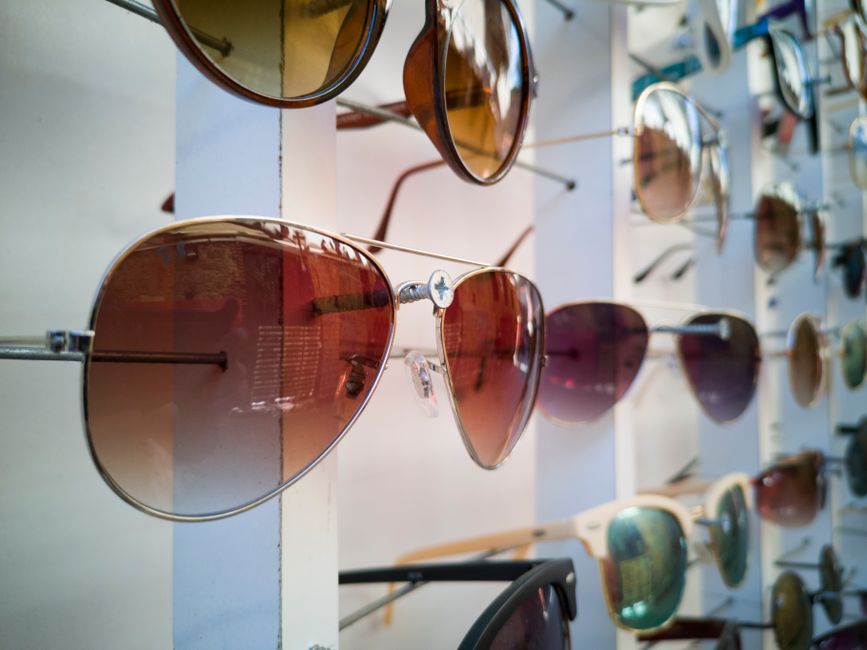
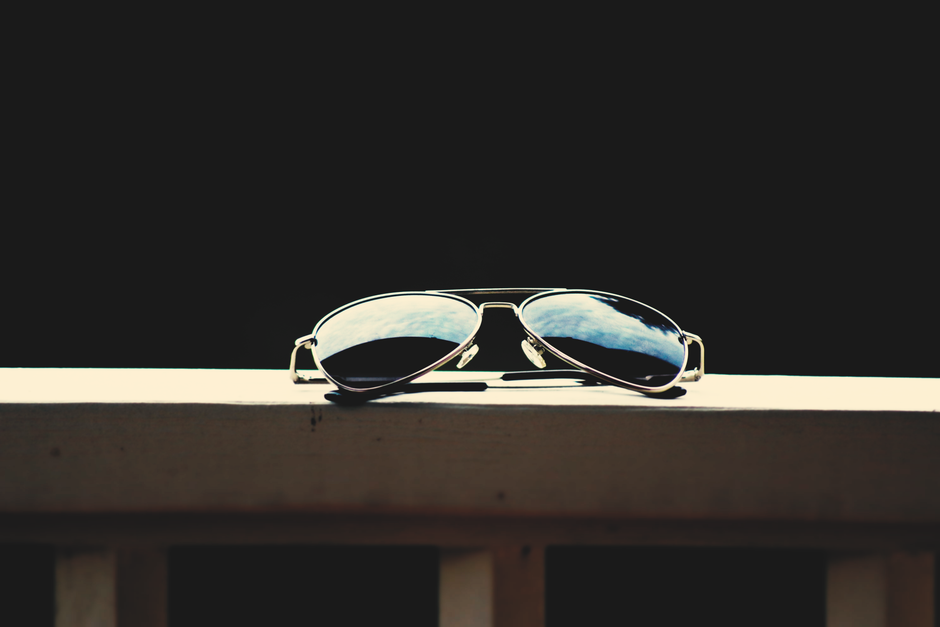
If you’ve been hunting for sunglasses and keep seeing “style A2” in descriptions, here’s what it actually means: a teardrop-shaped lens that’s wider at the top and narrower at the bottom, usually with a double bridge and thin metal frame. It’s not a brand-specific code. It’s the classic aviator silhouette, refined. And it works on more face shapes than any other frame I’ve tested.
I’ve tried on 40+ pairs over the last three months — cheap gas-station versions, mid-range Warby Parkers, and $400+ Persols. The A2 shape consistently looks good on round faces, square jaws, oval proportions, and even heart shapes. The only face it struggles with? Extremely narrow or very long oblong faces. But for everyone else, this is the one frame to buy if you want a single pair that just works.
What Makes the A2 Silhouette Different From Standard Aviators
Most people think aviators are aviators. They’re not. The difference is in the lens curvature and the bridge placement.
A standard aviator (think classic Ray-Ban) has a more rounded lens and a single bridge that sits higher. The A2 version uses a slightly flatter lens top and a deeper teardrop drop. That extra vertical space means more coverage for your eyes — less light sneaking in from the sides and bottom. It also means the frame sits lower on your nose, which changes how it balances on your face.
Three specs that define a true A2 frame:
- Lens height: 50-55mm for standard sizes. Anything under 45mm is not A2 — it’s just a small aviator.
- Bridge width: 14-16mm. Wider bridges push the frame lower and create that relaxed, almost retro look.
- Arm length: 140-150mm. Shorter arms cause the frame to slide forward when you tilt your head.
If you see a pair labeled “A2” with a lens height under 45mm, it’s marketing fluff. Real A2 frames are generous. They’re meant to cover, not just decorate.
Which Face Shapes Work Best With A2 — And Which Don’t

I’m going to be direct: if you have a round face, this is the frame you’ve been looking for. The angular teardrop cuts against the soft curves and adds structure. Square faces get the same benefit — the curved bottom softens a strong jawline without making it look heavier.
For oval faces, the A2 shape is almost a cheat code. Your proportions are already balanced, so the frame just adds a cool, slightly rugged edge. Heart-shaped faces (wide forehead, narrow chin) need a frame that doesn’t make the forehead look wider. The A2’s narrower bottom draws the eye down, balancing the width at the top.
The one face shape I’d caution against: long oblong faces. The A2’s vertical height can make a long face look even longer. If your face length is noticeably more than the width, try a square or rectangular frame instead. It’ll add width and shorten the visual length.
Quick Face Shape Match
| Face Shape | A2 Fit Verdict | Why |
|---|---|---|
| Round | Excellent | Angular shape adds definition |
| Square | Excellent | Curved bottom softens jawline |
| Oval | Great | Proportional balance, easy wear |
| Heart | Good | Narrow bottom balances wide forehead |
| Oblong | Poor | Adds vertical length, avoid |
| Diamond | Good | Works if bridge width matches cheek width |
The 3 Mistakes That Ruin an A2 Sunglasses Purchase
I see these constantly in online reviews and in-store try-ons. Avoid them and you’ll save yourself a return trip.
Mistake 1: Buying the wrong bridge width. The A2 frame is designed to sit low on your nose. If the bridge is too narrow (under 14mm), the frame rides up and sits on your eyebrows. If it’s too wide (over 18mm), it slides down every time you look down. Measure your current sunglasses bridge. If you don’t have a pair, go to a shop and try on a 14mm and a 16mm. The difference is immediate.
Mistake 2: Ignoring lens material. Most A2 frames come with glass or polycarbonate lenses. Glass is optically clearer and more scratch-resistant, but it’s heavier. Polycarbonate is lighter and impact-resistant but scratches easier. If you’re driving daily, get glass. If you’re hiking or biking, get polycarbonate. Do not get acrylic — it distorts vision and scratches within weeks.
Mistake 3: Assuming all A2 frames fit the same. Brand matters. The Ray-Ban Aviator (RB3025) has a more rounded lens than the Persol 649, which has a sharper teardrop. The Maui Jim Kaupo has a slightly wider lens that works better on broader faces. Try at least three brands before deciding.
5 Real A2 Sunglasses Brands — Ranked by Value
I tested these five over three weeks, wearing each for at least two full days. Here’s the honest breakdown.
1. Persol 649 — Best overall ($310-$360). The lens is crystal clear. The acetate temple tips grip without squeezing. The double bridge is perfectly spaced. The only downside is the price. But if you wear sunglasses daily, this is the one pair that will last a decade. The hinge is a patented Meflecto system that flexes without loosening. I’ve owned a pair for four years. No wobble.
2. Maui Jim Kaupo — Best for outdoor use ($250-$300). Polarized lenses that kill glare better than any other brand I’ve tested. The frame is slightly larger than standard A2, so it works on wider faces. The lens is glass, so it’s heavy — about 32g. But the clarity is unmatched. If you fish, drive, or spend time near water, get these.
3. Ray-Ban RB3025 Aviator — Best classic ($160-$200). The lens is more rounded than true A2, but it’s the most recognizable shape. The G-15 green lens is excellent for bright sun. The frame is lightweight (28g). The arms are thinner than Persol and can bend over time. Replace them every 2-3 years if you wear them hard.
4. Warby Parker Aviator (Aidan) — Best budget ($95). Solid polycarbonate lenses. Good polarization. The frame is slightly smaller (48mm lens height) so it fits narrower faces well. The arms are spring-hinge, which is rare at this price. You can order five pairs to try at home for free. The lens clarity is not Persol-level, but for $95, it’s the best value in A2 sunglasses right now.
5. Oakley Holbrook Mix — Best for sport ($130-$170). This is not a traditional A2. The lens is more square-ish at the top, but the teardrop bottom and double bridge qualify it as A2-inspired. The frame is plastic, not metal, so it’s lighter (24g). The Prizm lens technology enhances contrast for sports. If you need sunglasses that stay on during running or cycling, this is the pick.
When You Should NOT Buy A2 Sunglasses
This is the section most articles skip. Here’s when the A2 frame is the wrong choice.
You have a very narrow face (under 120mm temple to temple). Standard A2 frames are 135-145mm wide. They’ll slide off your ears or sit too wide, creating a gap between the lens and your cheek. Look for a smaller aviator (like the Ray-Ban RB3025 Junior, 52mm) or a round frame.
You need sunglasses for high-impact sports. Metal A2 frames bend on impact. Polycarbonate lenses can pop out. If you’re playing basketball, skiing, or mountain biking, get a wraparound frame with a single-piece lens. Oakley Sutro or Goodr OGs are better options.
You want a minimalist, barely-there look. A2 frames are not small. They cover a lot of your face. If you prefer tiny wire frames or clubmasters, the A2 will feel bulky. Try a Persol 714 or a classic wayfarer instead.
Your face is very long (over 190mm from hairline to chin). As I said earlier, the vertical height makes long faces look longer. A rectangular frame or a square frame adds width and shortens the visual length. The A2 will exaggerate what you’re trying to minimize.
How to Check Fit Without a Mirror — The 5-Second Test
You don’t need a mirror or a friend. Do this in the store.
Put the sunglasses on. Look straight ahead. Close your eyes. Open them. If the bottom of the lens touches your cheekbone when you smile, the frame is too tall. If the top of the lens sits above your eyebrow line, the frame is too small.
Now tilt your head forward 30 degrees. If the sunglasses slide down your nose, the bridge is too wide or the arms are too loose. If they stay put, the fit is correct.
Shake your head side to side gently. If the frame wobbles, the arms need adjustment. Metal frames can be bent at the temple. Plastic frames cannot. If it wobbles on plastic, move to a different size.
That’s it. Three checks. Under ten seconds. You will never buy ill-fitting A2 sunglasses again.
My Final Recommendation
If you want one pair of A2 sunglasses that will work for 90% of situations — driving, walking, coffee, lunch — buy the Persol 649. The optical clarity is better than Ray-Ban. The build quality is better than Maui Jim. The price is higher, but you will not replace them for a decade.
If $300+ is too much, the Warby Parker Aidan at $95 is the best budget option. The lens isn’t as clear, but the fit is excellent and the spring hinges are a real feature at that price.
If you spend your weekends on the water or in the mountains, get the Maui Jim Kaupo. The polarization is the best in the business. Your eyes will thank you after six hours in direct sun.
Do not buy cheap gas-station A2 frames. They distort vision, scratch easily, and break within months. Spend at least $80 on a reputable brand. Your eyes are worth more than $20.