A common misconception persists in the world of children’s apparel: that a t-shirt is a simple, disposable commodity where price and brand are the only variables. Many parents and shoppers assume that a five-dollar shirt from a big-box retailer is fundamentally identical to a twenty-five-dollar version from a boutique label, save for the logo. This reductionist view ignores the complex engineering behind garment construction. In reality, the delta between a mediocre shirt and a superior one is measured in micron counts, staple lengths, and the specific geometry of the knit. To find the best t shirts for girls, one must look past the surface-level graphics and investigate the structural integrity of the textile itself.
What technical specifications define a high-quality girl’s t-shirt?
When evaluating the best t shirts for girls, the first metric to consider is the weight of the fabric, typically measured in Grams per Square Meter (GSM). A lightweight tee (120-140 GSM) is breathable but prone to transparency and rapid degradation. A heavyweight tee (180-220 GSM) offers better drape and longevity but may feel restrictive to some children. The goal for a versatile daily shirt is usually found in the mid-weight range, around 150-170 GSM. However, weight alone does not guarantee quality; the processing of the cotton fibers is equally vital.
Combed versus Carded Cotton
The manufacturing process begins with raw cotton, which contains impurities and short, prickly fibers. Lower-end shirts use carded cotton, which is roughly teased into a strand. Higher-end garments use combed cotton. This additional step removes the short fibers and aligns the remaining long staples, resulting in a smoother, stronger yarn. For children with sensory sensitivities, the difference between the scratchy texture of carded cotton and the silk-like finish of combed cotton is immediately apparent. Furthermore, combed cotton is significantly less likely to pill after repeated cycles in a high-heat dryer.
Side Seam vs. Tubular Construction
You may have noticed that some t-shirts begin to twist after three or four washes, with the side seams migrating toward the front of the body. This phenomenon is known as torque. It occurs primarily in tubular-knit shirts—those made on a circular knitting machine without side seams. While cheaper to produce, these garments lack the structural balance of side-seamed shirts. The best t shirts for girls are almost always constructed with side seams, which allow the manufacturer to align the grain of the fabric properly, ensuring the shirt maintains its rectangular silhouette over time.
Analysis of the best brands for basic girl’s t-shirts

Selecting the right brand requires balancing cost against the expected lifespan of the garment. In our research, we looked at brands that prioritize fiber quality and construction over fleeting aesthetic trends. The following brands represent the current benchmarks for quality in the girls’ t-shirt market.
Uniqlo Kids U Crew Neck T-Shirt
Uniqlo’s “U” collection, designed under the direction of Christophe Lemaire, is often cited as a gold standard for basic apparel. The kids’ version of the U Crew Neck typically retails for approximately $15.00. It is characterized by a heavy-gauge cotton that feels substantial and durable. The neckline is reinforced with a thick ribbing that resists the “bacon neck” stretching common in cheaper alternatives. Pro: Exceptional durability and a sophisticated color palette. Con: The boxy, slightly oversized fit may not appeal to those looking for a traditional slim silhouette.
Primary Kids Classic Tee
Primary has carved out a niche by offering high-quality basics without logos or slogans. Their Classic Tee, priced at roughly $14.00, uses 100% combed cotton jersey. What sets Primary apart is their commitment to OEKO-TEX Standard 100 certification, ensuring the fabric is free from harmful chemicals. Pro: Massive color selection (often 20+ shades) and consistent sizing. Con: The fabric is slightly lighter than the Uniqlo U, making it less ideal for rough outdoor play where abrasion is a concern.
Patagonia Kids’ P-6 Logo Organic T-Shirt
For those willing to invest more—approximately $35.00—Patagonia offers a shirt that prioritizes environmental and social ethics. These shirts are made from US-grown organic cotton and are Fair Trade Certified sewn. The fabric is ringspun, which provides a softer hand-feel than standard cotton. Pro: High resale value on secondary markets and a robust repair policy. Con: The price point is significantly higher than other market leaders, which can be difficult to justify for a rapidly growing child.
| Brand | Material | Approx. Price | Primary Strength |
|---|---|---|---|
| Uniqlo | 100% Heavyweight Cotton | $15 | Structural Integrity |
| Primary | 100% Combed Cotton | $14 | Color Variety |
| Patagonia | Organic Ringspun Cotton | $35 | Ethical Sourcing |
| Everlane | Organic Cotton | $20 | Modern Cut |
Comparing organic cotton versus synthetic blends in girls’ tees
The debate between 100% natural fibers and synthetic blends is not merely about comfort; it involves considerations of moisture management and shape retention. Most consumers assume 100% cotton is the pinnacle of quality, but this is a nuanced topic. Cotton is highly absorbent, which can be a disadvantage during high-intensity physical activity, as it holds onto sweat and becomes heavy. This is where polyester or elastane blends enter the conversation.
The role of Elastane (Spandex)
A small percentage of elastane (usually 3% to 5%) can significantly improve the performance of a t-shirt. It allows the fabric to stretch and, more importantly, to recover its original shape. For girls who prefer a “baby tee” or a slim-fit style, a cotton-elastane blend is often superior to 100% cotton, which tends to bag out at the elbows or hem after a few hours of wear. However, synthetic fibers are less breathable and can trap odors more easily than pure cotton.
The benefits of Pima and Supima Cotton
If you are committed to 100% natural fibers, Pima or Supima (the trademarked brand for American-grown Pima) is the elite choice. These are extra-long staple (ELS) cottons. Because the individual fibers are longer, they require fewer joins to create a yarn. Fewer joins mean fewer loose ends, which translates to a softer feel and a natural luster that survives dozens of washes. While more expensive, a Supima cotton t-shirt will often outlast three standard cotton shirts, making the cost-per-wear lower in the long run.
How to choose the right t-shirt fit: Oversized vs. Slim fit
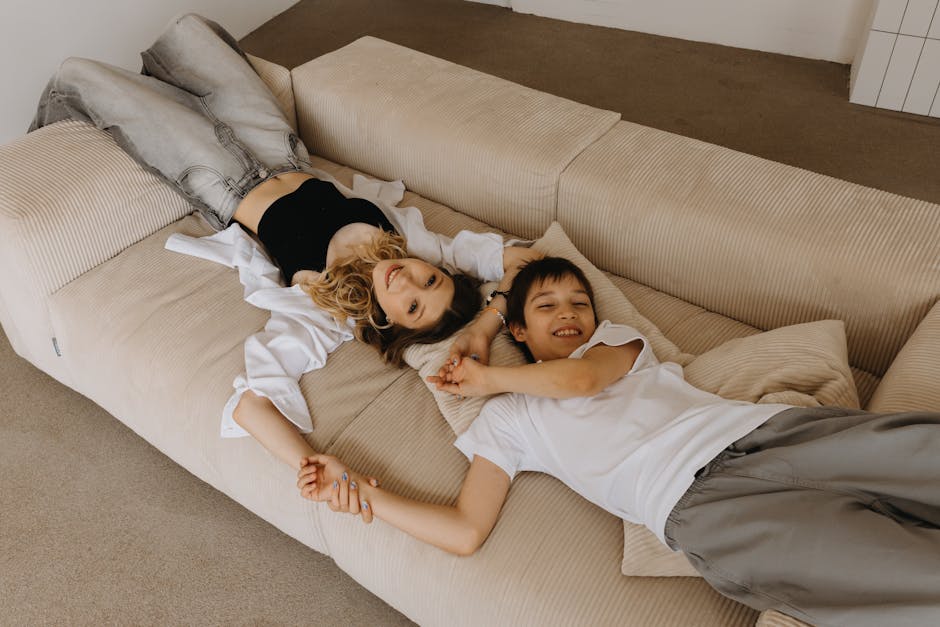
The silhouette of a t-shirt is as much a matter of function as it is of fashion. In recent years, the market for girls’ t-shirts has split into three distinct categories: the classic crew, the boxy/oversized fit, and the slim-fit/baby tee. Each serves a different purpose and requires different fabric properties to look its best.
The Boxy and Oversized Aesthetic
The boxy fit is currently dominating the “streetwear” segment of girls’ fashion. This style features dropped shoulders and a wider torso. To work effectively, the fabric must have enough “stand”—meaning it shouldn’t drape too limply. A heavyweight jersey or a French terry is ideal here. If the fabric is too thin, an oversized shirt will look unkempt rather than intentional. When buying this style, ensure the neckline is tight; a loose neckline on an oversized shirt often results in the garment sliding off the shoulder.
The Slim-Fit and Baby Tee
Inspired by late 90s and early 2000s trends, the baby tee is a cropped, narrow-cut shirt. This style requires a ribbed knit or a high-elastane blend to provide the necessary stretch. Because these shirts sit closer to the skin, the breathability of the fabric is paramount. Look for a 1×1 rib knit, which offers excellent horizontal stretch while maintaining vertical stability. This prevents the shirt from becoming shorter and wider over time—a common failure in cheap ribbed tops.
A well-fitting t-shirt should have shoulder seams that sit exactly at the edge of the acromion bone. If the seams droop down the arm, the shirt is either an intentional oversized cut or simply too large, which can lead to premature wear at the underarms due to friction.
Durability and longevity: Which t-shirts survive the playground?
Durability is the most difficult attribute to assess in a store, yet it is the most important for parents. A t-shirt’s survival depends on its resistance to three main factors: pilling, fading, and seam failure. Pilling is the result of short fibers breaking and tangling into small balls on the surface. As discussed, choosing combed or ELS cotton is the best defense against this. Fading, on the other hand, is a matter of dye quality and the chemical bond between the pigment and the fiber.
The Snap-Back Test for Necklines
One of the quickest ways to test a t-shirt’s potential longevity is the “snap-back” test on the collar. Gently stretch the neckline and release it. It should immediately return to its original shape. If it stays slightly deformed or shows “wavy” edges, the ribbing lacks sufficient elastane or the stitch density is too low. A failed snap-back test is a precursor to a shirt that will look worn out within a month.
Reactive Dyes vs. Pigment Dyes
The best t shirts for girls typically use reactive dyes, which form a covalent bond with the cotton fibers. This results in vibrant colors that do not bleed or fade significantly in the wash. Pigment dyes, conversely, sit on top of the fiber and are held there by a resin. While pigment dyes can create a desirable “vintage” look, they fade rapidly. If you are looking for a navy or black shirt that stays dark, always check if the brand specifies the use of reactive or low-impact dyes.
The best sustainable and ethical t-shirt options for 2026
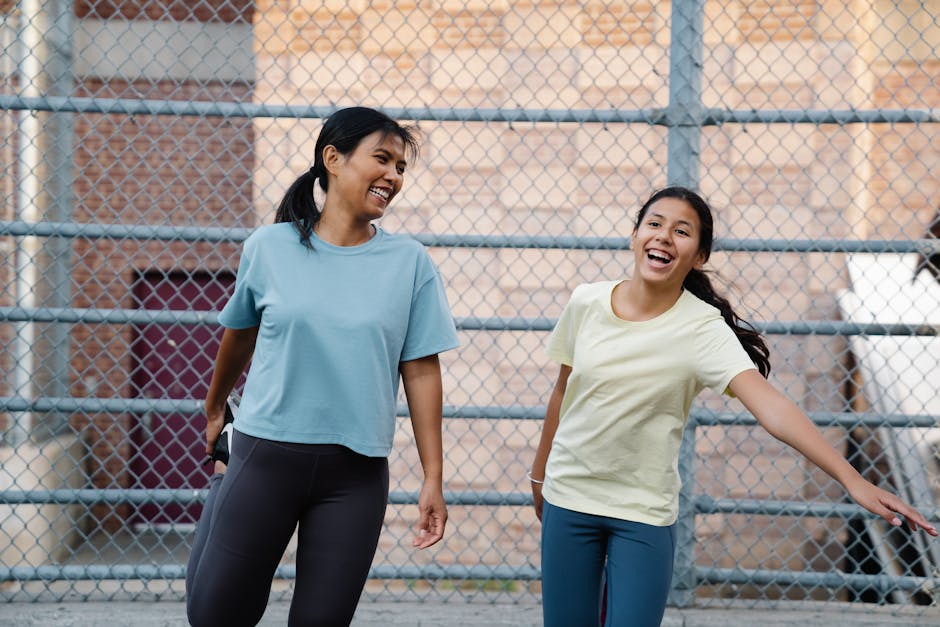
As consumer awareness regarding the environmental impact of the textile industry grows, many are seeking t-shirts that are not only durable but also ethically produced. The t-shirt industry is notorious for high water consumption and chemical runoff, particularly in the cultivation of conventional cotton. Sustainable options focus on mitigating these impacts through certified organic practices and fair labor standards.
Understanding GOTS and OEKO-TEX
When shopping for sustainable girls’ t-shirts, you will likely encounter the GOTS (Global Organic Textile Standard) and OEKO-TEX labels. They are not interchangeable. GOTS is the “gold standard” for organic fibers; it tracks the entire supply chain from the farm to the factory, ensuring environmental and social criteria are met. OEKO-TEX, specifically the Standard 100, focuses on the safety of the final product, testing for hundreds of harmful substances. A shirt can be OEKO-TEX certified without being organic, but it ensures that no toxic residues remain on the fabric—a critical consideration for children’s sensitive skin.
The Rise of Regenerative Cotton
In 2026, we are seeing the emergence of regenerative organic cotton. This goes beyond standard organic farming by actively working to restore soil health and sequester carbon. Brands like Christy Dawn and Patagonia are beginning to integrate these fibers into their children’s lines. While currently a niche market with higher price points, regenerative cotton represents the future of ethical apparel. For the analytical shopper, these garments offer a way to align purchasing habits with long-term ecological goals, provided the higher initial investment is offset by the garment’s extended lifecycle and potential for hand-me-down use.
Ultimately, the search for the best t shirts for girls leads away from the fast-fashion cycle and toward garments built with technical precision. By prioritizing long-staple cotton, side-seam construction, and verified ethical certifications, you can secure a wardrobe that resists the rigors of childhood play while providing superior comfort. The extra five or ten dollars spent upfront on a well-engineered tee is not a luxury; it is a calculated decision that pays dividends in durability and skin health.