The jewelry landscape in 2026 reflects a significant departure from the minimalist, gold-dominated aesthetic of the early 2020s. Market shifts indicate a growing consumer preference for pieces that offer both functional utility and ethical transparency. As manufacturing technologies evolve, the distinction between high jewelry and wearable technology continues to blur, creating a market where the value of a piece is determined as much by its carbon footprint and technical integration as by its carat weight. This analysis examines the specific design movements, material innovations, and consumer behaviors shaping the industry this year.
Sustainable sourcing and the rise of bio-fabricated materials
By 2026, the jewelry industry has moved beyond the initial novelty of lab-grown diamonds into a more complex era of bio-fabricated materials and circular production. Consumers no longer view lab-grown stones as mere alternatives to mined gems; they are now the primary choice for the sustainability-conscious demographic. Data suggests that lab-grown diamond market share has stabilized at nearly 55% of the engagement ring sector, driven by price accessibility and the elimination of ethical ambiguity. However, the trend has expanded into “grown” metals and bio-resins derived from agricultural waste, which offer textures and colors previously impossible to achieve with traditional casting methods.
Key Product: Vrai Solitaire Diamond Ring
The Vrai Solitaire remains a benchmark for the lab-grown sector. Currently priced at approximately $1,500 for a 1-carat equivalent in 14k gold, it represents the entry-level luxury of the sustainable movement.
- Pro: Entirely carbon-neutral production process using hydropower.
- Con: Secondary market liquidity remains lower than that of GIA-certified mined diamonds.
Beyond carbon, we are seeing the emergence of “Air-Made” jewelry—diamonds synthesized from atmospheric CO2. This technology, pioneered by companies like Aether, has reached a scale where it is no longer a niche luxury but a viable commercial trend for 2026. The aesthetic associated with this movement is clinical and precise, favoring tension settings that highlight the clarity of the stones. Designers are also experimenting with recycled ocean plastics reinforced with carbon fiber to create durable, high-fashion cuffs that mimic the look of obsidian or onyx but weigh significantly less, allowing for larger, more comfortable statement pieces.
Kinetic jewelry and the demand for modular versatility
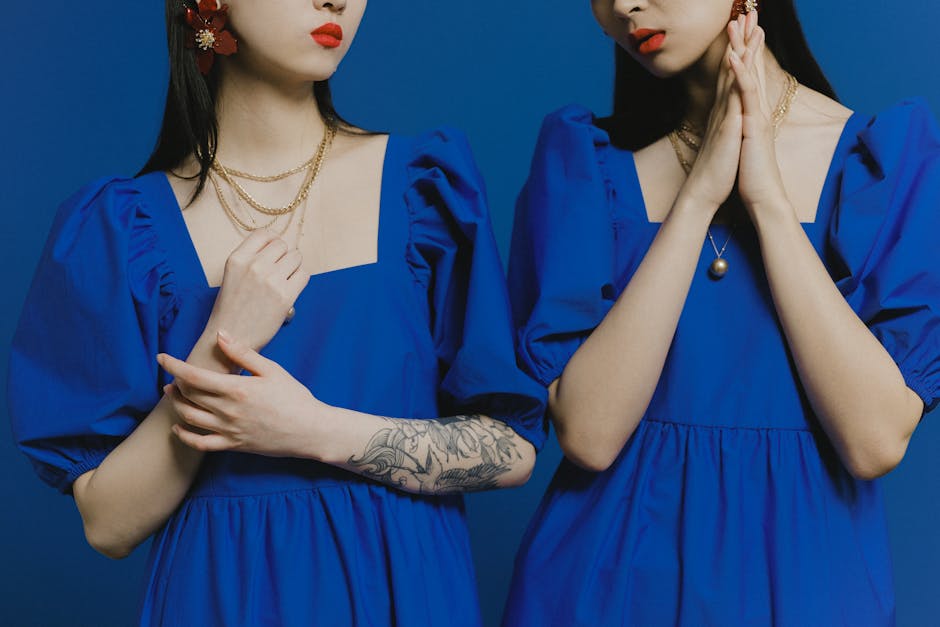
Modular jewelry has transitioned from a niche design concept to a dominant market trend in 2026. The modern consumer prioritizes pieces that can adapt to different environments—shifting from professional settings to social events without requiring a full accessory change. Kinetic jewelry, which incorporates moving parts, hinges, or magnetic connectors, allows for this transformation. This movement is heavily influenced by industrial design principles, where the mechanical beauty of a piece is as important as its external decoration. We see rings that expand into bracelets and earrings with detachable drops that can be reconfigured as pendants.
Key Product: Spinelli Kilcollin Sirius Linked Rings
The Sirius set, priced at roughly $2,400, consists of multiple interconnected bands that can be worn stacked on one finger or spread across several.
- Pro: Exceptional versatility and a signature aesthetic that bridges the gap between casual and formal.
- Con: The complex interconnected nature makes professional cleaning and resizing more difficult than standard bands.
The engineering required for these pieces has become more sophisticated. In 2026, we observe the use of micro-bearings and precision-milled joints that ensure movement is silent and fluid. This is not merely about novelty; it is a response to the “buy less, buy better” philosophy. A single kinetic necklace that offers four different wearing styles provides more value than four separate, static pieces. This trend also aligns with the rise of travel-friendly jewelry, where packing light is essential. A modular wardrobe of three pieces can now provide a dozen unique combinations, reducing the need for extensive collections while maintaining a high level of personal expression.
The resurgence of sculptural silver and organic forms
After a decade where yellow gold was the undisputed leader in fashion jewelry, 2026 marks the definitive return of sterling silver, albeit in a much more substantial, sculptural form. This shift is driven by a reaction against the “micro-jewelry” trend of the 2010s. Modern silver pieces are heavy, organic, and often look as though they were molten and frozen mid-flow. This aesthetic, frequently referred to as “Liquid Metal,” draws inspiration from the 1970s work of Elsa Peretti but updates it with 3D-printing techniques that allow for hollow, lightweight structures that maintain a massive visual profile.
Key Product: Agmes Small Vera Hoops
Priced at approximately $290, these sterling silver hoops exemplify the organic, hand-carved look that is currently in high demand.
- Pro: High visual impact with a relatively low price point compared to gold.
- Con: Sterling silver requires frequent polishing to prevent the oxidation that occurs more rapidly on high-surface-area sculptural designs.
The appeal of silver in 2026 also lies in its perceived “coolness”—a stark contrast to the warmth of gold which dominated the previous era. It pairs effectively with the muted, monochromatic palettes of 2026 apparel trends. Designers are increasingly using rhodium plating over silver to provide a high-shine, tarnish-resistant finish that mimics the look of white gold or platinum at a fraction of the cost. This allows for the creation of oversized breastplates and thick, tubular chokers that would be prohibitively expensive and heavy in solid gold. The focus is on the silhouette rather than the intrinsic metal value, signaling a more mature approach to fashion where design intent supersedes material wealth.
Integrating biometric technology into luxury aesthetic jewelry
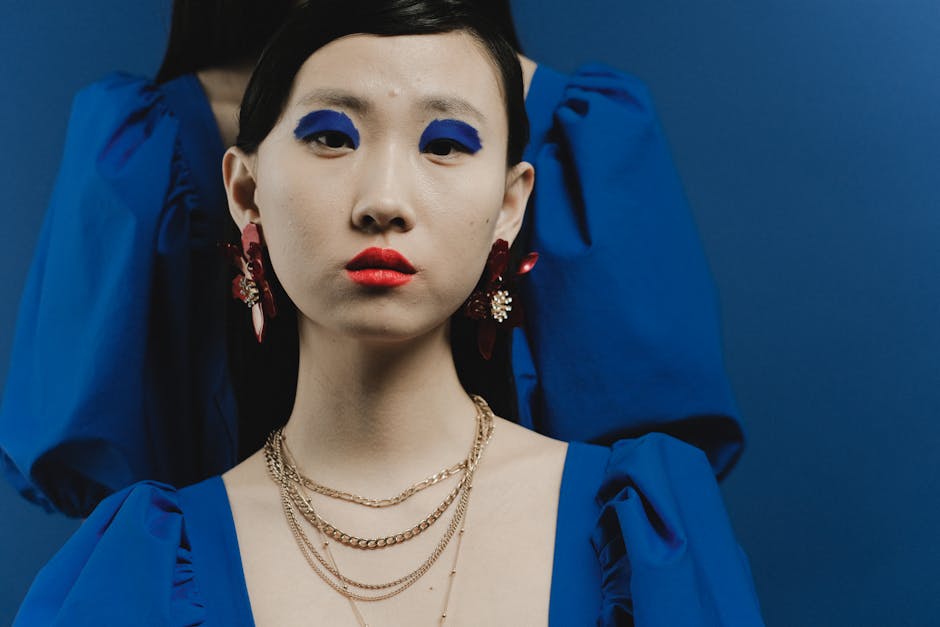
The “Smart Jewelry” category has matured significantly. In 2026, the market has moved away from plastic-heavy fitness trackers toward sophisticated biometric sensors embedded in traditional jewelry forms. The primary challenge has always been the aesthetic-to-tech ratio; consumers want the data provided by a smartwatch without the visual intrusion of a screen. This has led to the rise of smart rings and pendants that utilize ceramic and titanium housings to hide advanced PPG (photoplethysmography) sensors and accelerometers. These pieces monitor sleep, stress, and heart rate variability while appearing to be standard fashion accessories.
Comparison of Leading Smart Jewelry (2026 Market Data)
| Model | Estimated Price | Primary Material | Key Feature |
|---|---|---|---|
| Oura Ring Gen 4 | $399 | Titanium / PVD Coating | Advanced Sleep & Recovery Tracking |
| Samsung Galaxy Ring | $300 | Titanium | Deep integration with Android ecosystems |
| Evie Ring | $269 | Liquidmetal® Alloy | Focus on female-specific hormonal health |
The 2026 iteration of the smart ring, such as the projected Oura Gen 4, focuses on battery longevity and sensor accuracy. The integration of AI-driven health coaching directly into the jewelry’s companion app has made these pieces indispensable for the wellness-focused consumer. However, the hardware remains the star; the use of gold-plated titanium and brushed finishes ensures that the ring looks at home alongside a wedding band or a stack of fashion rings. The “con” for many of these devices remains the subscription model required to access full data analytics, a recurring cost that some consumers find frustrating after a significant initial investment in the hardware.
Gender fluidity in high-end jewelry and accessory design
The traditional boundaries between “men’s” and “women’s” jewelry have almost entirely collapsed in 2026. High jewelry houses are now designing collections that are explicitly gender-neutral, focusing on proportions and stone settings that appeal to all. This is most visible in the resurgence of the brooch and the widespread adoption of pearls by male consumers. The “pearl core” trend has evolved from simple strands to complex, multi-layered arrangements featuring black South Sea pearls and baroque shapes that emphasize imperfection and ruggedness over traditional spherical perfection.
Key Product: Mikimoto M Collection Black South Sea Pearl Necklace
Retailing for approximately $5,500, this piece uses dark, iridescent pearls set with a minimalist silver or white gold “M” clasp.
- Pro: A bold, timeless piece that transcends traditional gender styling.
- Con: Pearls are organic gems that require significant care to avoid damage from perfumes, sweat, and oils.
Heavy chains also remain a staple, but the 2026 version is more refined. We see a move away from the chunky “rapper” chains of the past toward precision-engineered link styles like the “Navette” or updated “Figaro” in matte finishes. These pieces are often accented with small, flush-set diamonds or colored gemstones. The trend is about subtle luxury—jewelry that complements an outfit rather than overpowering it. This gender-neutral approach has also led to an increase in the size of standard rings and the length of necklaces available at retail, as brands realize that a one-size-fits-all approach is no longer viable in a diverse market.
Emerging gemstone palettes and the shift toward rare minerals
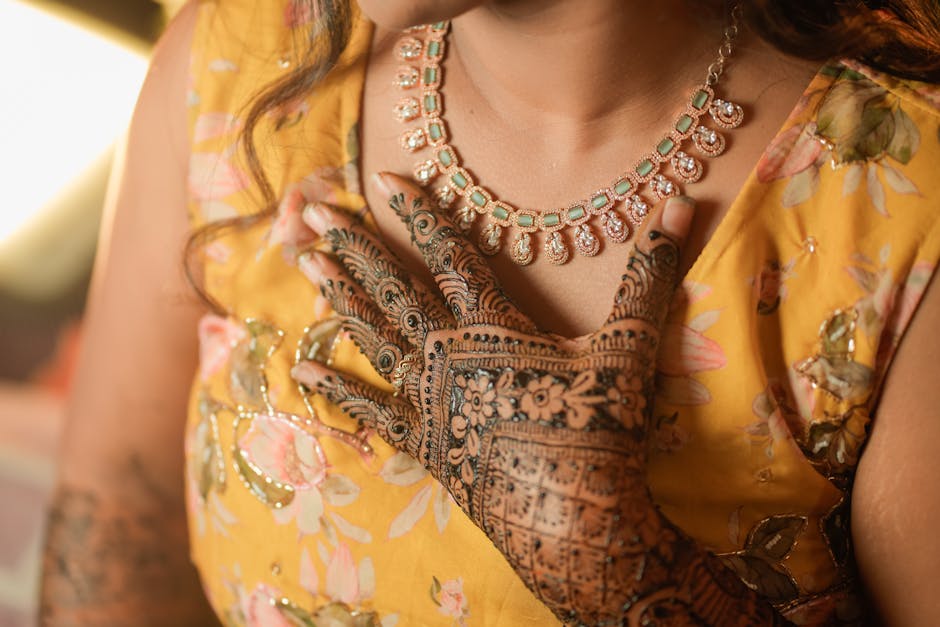
Color trends in 2026 jewelry are moving toward “earthy sophistication.” While royal blue and emerald green are perennial favorites, the current year is defined by secondary and tertiary hues: teal sapphires, peach tourmalines, and dusty mauve spinels. This shift is partly due to the rarity and rising cost of traditional “big four” gemstones (diamond, ruby, sapphire, emerald), leading collectors to seek value in underappreciated minerals that offer unique optical properties. Spinel, in particular, has seen a surge in demand because of its high refractive index and the fact that it is rarely treated or enhanced, appealing to the desire for authenticity.
Key Product: Mejuri Teal Montana Sapphire Ring
Priced at roughly $650, this ring utilizes responsibly sourced sapphires from Montana, known for their unique blue-green shift.
- Pro: Provides a unique color profile that stands out from traditional blue sapphires.
- Con: The stones are often smaller in diameter for the price point compared to synthetic alternatives.
Designers are pairing these unusual stone colors with matte-finished metals to create a “found object” aesthetic. There is also a notable trend toward using raw, uncut gemstones. These pieces celebrate the natural crystal habit of the mineral, often trapped in “claws” of gold or silver that look like they have grown around the stone. This raw aesthetic serves as a counterpoint to the high-tech, precision-milled smart jewelry mentioned earlier. It represents a return to the primordial, a reminder of the geological time scales required to create the materials we wear. For the collector in 2026, the story of the stone—its origin, its natural state, and its unique inclusions—is more valuable than a perfect, but sterile, laboratory result.
The jewelry market in 2026 is defined by a paradox: we are simultaneously obsessed with the futuristic capabilities of smart wearables and the ancient, raw beauty of untreated earth-mined minerals. The most successful brands are those that can navigate both worlds, offering pieces that are technologically advanced yet emotionally resonant.
As we look toward the remainder of the decade, the integration of augmented reality (AR) in the purchasing process and the use of blockchain for stone traceability will become standard. However, the physical object remains the focus. Whether it is a bio-fabricated diamond or a hand-forged silver cuff, the jewelry of 2026 is characterized by a deep intentionality. Consumers are no longer buying jewelry as a mere status symbol; they are investing in pieces that reflect their values, their health, and their fluid identity in an increasingly digital world.