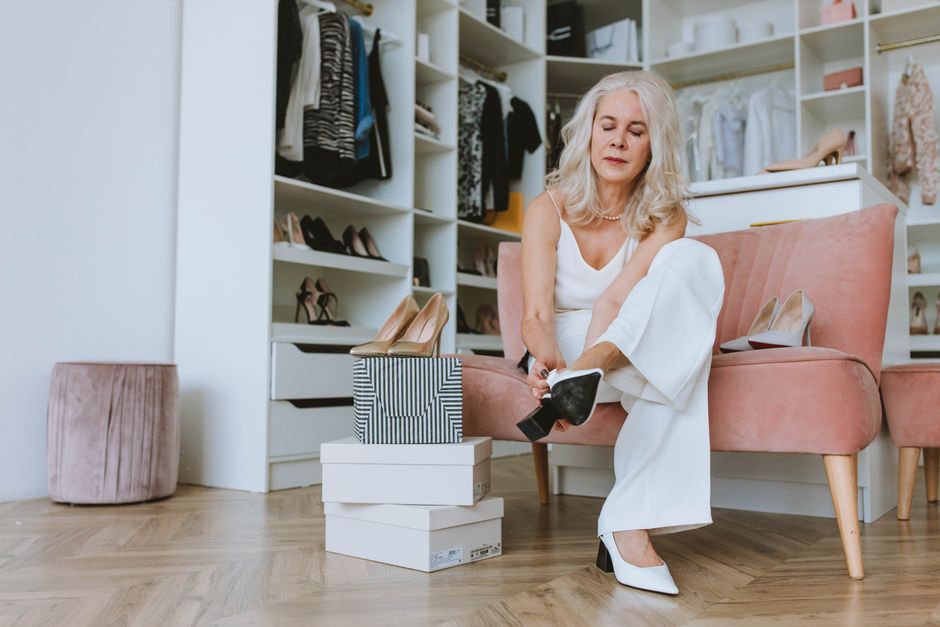
The test came on an ordinary Tuesday. I had ten minutes to get dressed, a closet full of clothes, and nothing that felt right. Several pieces still had their tags attached. Others had tiny problems I had ignored: a broken zip, a tight armhole, a fabric that wrinkled before I reached the door. I had bought plenty, but I had not built a working wardrobe.
That was the point when I decided to buy secondhand only. The rule sounded simple. I would look for used clothing first, repair what I owned, and buy new only for items I could not find safely or in the right fit. The result was not a perfect ethical closet. It was more useful than that. I learned how to judge fabric, spot hidden damage, set a price limit, and stop confusing a low price with a good purchase.
Why a secondhand-only wardrobe needs a system
My verdict: secondhand-only dressing works best as a replacement system, not a purity test. The goal is not to own clothes that have already belonged to someone else. The goal is to solve the basic wardrobe problem: having enough reliable pieces for real days without buying a new item every time an outfit feels difficult.
The first problem is not shopping
Most wardrobes fail before the owner opens a resale app. The closet lacks a clear list of jobs. A person may own five statement tops but no plain layer for work, or several pairs of jeans but no comfortable trousers for a long commute. Secondhand shopping then becomes a search for interesting objects instead of a way to fill a specific gap.
I started by writing down ten situations I dressed for during a normal month: office days, errands, dinner, travel, cold rain, warm afternoons, and days when I needed to look polished without thinking. I counted the clothes that already handled each situation. The gaps became visible very quickly. I did not need more personality. I needed a washable dark layer, comfortable shoes, and tops that worked with the trousers I already owned.
Why low prices create expensive mistakes
Used clothing often costs less at the checkout, but a mistake still has a full cost. Add shipping, tailoring, cleaning, and the time spent photographing or donating the item. A $12 blouse that needs $35 of alterations is not a bargain for most wardrobes. Neither is a $30 jacket that smells strongly of smoke and cannot be returned.
My rule became simple: a secondhand item had to pass three tests before I considered the price. It needed to fit my existing wardrobe, survive the care I was willing to give it, and replace a genuine need. If it failed one test, I left it behind. That rule removed most impulse purchases and made the good finds easier to recognize.
The measure of success
I stopped measuring success by the number of new-to-me pieces I found. I measured it by how often I wore each piece during the next six weeks. A $45 coat worn twice a week was a stronger result than four $10 tops left on hangers. This shift also removed the pressure to find an entire wardrobe at once.
My 30-day buying rule for secondhand clothes
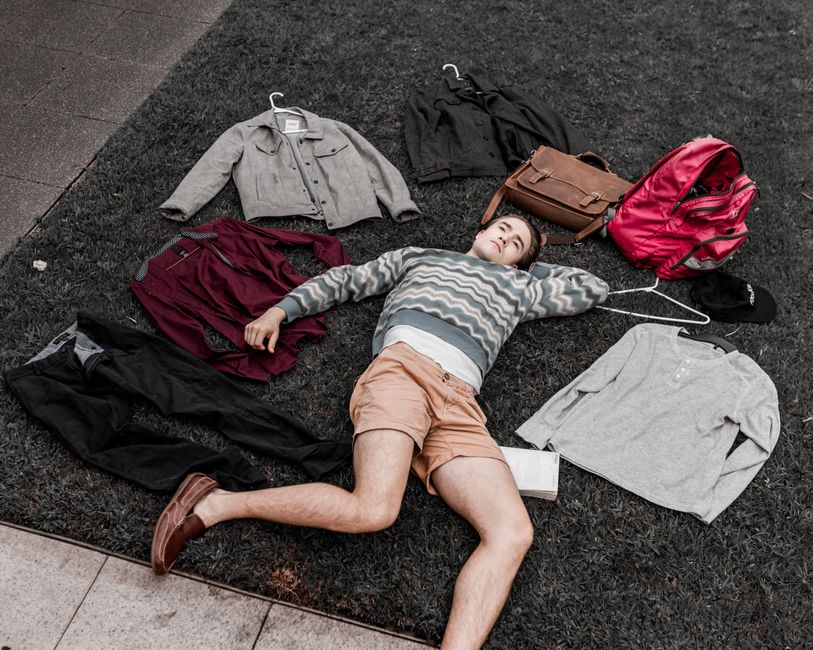
The best practical rule I found was a 30-day gap list. I did not browse with a blank wish list. I wrote down a missing item, the colors that would work, the measurements I needed, and the maximum total cost. If the item did not appear within 30 days, I reviewed the gap instead of rushing to buy something new.
Step one: define the job
- Write the exact clothing job, such as a lightweight jacket for rainy commutes.
- List three acceptable colors and two fabrics that suit your climate.
- Measure a similar item that fits well, including chest, shoulder, sleeve, rise, and inseam measurements.
- Set a total price ceiling that includes shipping, cleaning, and likely repairs.
- Save the search using several terms, since sellers describe the same garment in different ways.
This process made the search slower but the decisions faster. I could reject a beautiful item because it failed the brief. That was a relief. A secondhand-only wardrobe becomes exhausting when every attractive listing turns into a debate about identity, sustainability, and guilt.
Step two: inspect before paying
For online purchases, I looked for clear photos of the inside label, care label, seams, cuffs, hems, zipper, and underarm area. I asked for measurements when the listing did not provide them. A seller who could not answer basic questions was not automatically dishonest, but the risk was too high for my budget.
In a shop, I checked the garment under bright light. I rubbed dark fabric lightly to find worn patches, pulled the zipper twice, and held knitwear up to check for thinning. I also checked the smell near the collar and underarms. Strong fragrance can hide smoke, mildew, or heavy detergent buildup. No item was worth overriding those signals.
Step three: use a waiting period
I left online items in my cart for at least 24 hours. For expensive pieces, I waited 72 hours. During that time, I made one outfit using the item in my head and checked the cost per likely wear. If I could not name three outfits or three situations for it, I removed it.
This waiting period did not make me miss every good deal. It did make me miss some. That was acceptable. The purpose was to build a wardrobe that reduced daily friction, not to win every resale auction.
What the resale math looked like in practice
My clear winner for everyday value was a used Levi’s 501 Original jean. The straight leg, broad resale supply, and easy-to-check measurements made it less risky than a rare designer pair. The table below shows the kinds of items I considered, using typical secondhand price ranges rather than promises about any single seller.
| Item | Typical used price | What I checked | My verdict |
|---|---|---|---|
| Levi’s 501 Original jeans | $25-$60 | Waist, inseam, crotch wear, hem, stretch, and altered rise | Best denim choice for a first secondhand wardrobe |
| Barbour Bedale jacket | $100-$220 | Wax condition, lining, sleeve length, corduroy cuffs, and odor | Best for wet weather if the shell is sound |
| Patagonia Better Sweater | $45-$90 | Pilling, zipper action, pocket seams, and fleece compression | Best casual layer when condition is excellent |
| Dr. Martens 1460 boots | $50-$120 | Sole wear, heel separation, creasing, insole condition, and fit | Buy only after trying on the brand’s firm leather |
| Eileen Fisher washable silk shell | $35-$90 | Underarm marks, pulled threads, care label, and silk thinning | Best polished top when the fabric has no weak spots |
How I judged condition instead of brand name
Brand recognition helped me search, but it did not replace inspection. A Barbour Bedale with dry, cracked wax and a musty lining needed more work than I wanted. A plain jacket from an unknown label could be the better purchase if its seams, fabric, and fit were stronger. The label suggested a resale range; the garment decided its value.
I also learned to separate repairable damage from structural damage. Missing buttons, a loose hem, and a tired shoelace were manageable. Torn crotch fabric, delaminated coating, stretched elastic, and a warped shoe sole usually meant I should walk away. That distinction saved more money than any discount code.
Where each item earned its place
The Levi’s 501 became my strongest foundation because it worked with nearly every top I owned. The Patagonia Better Sweater earned a place for travel and casual weekends, but only after I rejected several heavily pilled examples. The Eileen Fisher shell made weekday outfits look finished with almost no effort. I liked the Barbour jacket, but its weight and maintenance meant it was useful only for rainy days, not a universal coat.
The Dr. Martens 1460 was the hardest decision. Used boots can look affordable while hiding painful break-in damage or worn soles. I kept one pair only after trying it on and checking that the heel sat level. For anyone who dislikes firm leather or walks long distances daily, a softer used walking shoe is the better choice.
Where secondhand shopping failed me
The difficult lessons were not about finding clothes. They were about knowing when a find was not worth keeping.
Why did a great deal still feel wrong?
One $18 dress was nearly perfect in the listing photos. The color suited me, the fabric looked substantial, and the seller described it as gently worn. In person, the armholes pulled and the lining twisted when I walked. I tried to justify it because the price was low. After one uncomfortable afternoon, I donated it. A low price cannot correct a bad fit.
The replacement rule is blunt: do not buy an item that needs you to become a different body, climate, or lifestyle. Tailoring can adjust a hem or waist. It cannot fix a shoulder line that restricts movement or a fabric that makes you avoid the garment.
What mistakes cost the most?
- Buying without measurements because the listed size looks familiar.
- Ignoring fabric content and then discovering that the item requires dry cleaning.
- Choosing a rare color that matches nothing already in the closet.
- Paying for a repair before confirming that the garment is worth keeping.
- Assuming a premium label guarantees quality in every season or collaboration.
- Buying shoes online without checking the outsole, heel, and interior wear.
Returns also changed my approach. I preferred platforms and shops with a clear return window, even when the price was slightly higher. A no-return purchase needed a larger discount to compensate for the risk. I kept screenshots of the listing, measurements, and condition notes until I decided to keep the item.
When should you buy new instead?
Secondhand was not the right answer for every category. I bought new socks and underwear when used options raised hygiene concerns. I also bought a new rain shell after months of searching failed to produce one in my measurements and climate needs. The decision was not a failure. It was a defined exception based on function, safety, and availability.
The same logic applies to highly personal fit items. If a used bra, shoe, or helmet does not fit correctly, the sustainability argument does not make it a good purchase. Wearable clothing should support movement and comfort. A garment that causes pain, chafing, or constant adjustment will not deliver the environmental benefit of repeated wear.
The wardrobe I kept and the rule I recommend

My recommendation is to start with a secondhand-first wardrobe, then earn the secondhand-only label slowly. Begin with the pieces that are easy to inspect and widely available: jeans, wool coats, cotton shirts, denim jackets, knitwear, and simple dresses. Build your measuring and repair skills before you take on delicate silk, technical outerwear, or expensive shoes.
The smallest useful starting point
For the first month, choose three gaps rather than attempting a full closet reset. Pick one daily bottom, one dependable layer, and one piece for a recurring social or work situation. Give each item a job, a measurement range, and a total budget. My first successful group was a pair of straight-leg jeans, a washable knit jacket, and a silk shell. Those three items created more outfits than the pile of random tops I had bought before.
Keep a simple wear log for six weeks. Record the date, outfit, comfort, and anything that needs repair. Patterns appear quickly. You may discover that a color you love rarely leaves the hanger, or that a supposedly basic cut does not work with your shoes. Those findings are more useful than a generic wardrobe checklist.
The final standard
A secondhand-only wardrobe should make getting dressed easier, not turn every purchase into a moral examination. Keep the clothes that fit your body, schedule, climate, and care habits. Repair small defects. Return or pass along the wrong pieces. Do not buy a damaged garment just because someone calls it a rare find.
For readers starting today, my specific recommendation is a 30-day gap list followed by a 24-hour waiting period and a full condition check. Choose used Levi’s 501 jeans as a low-risk first category, then add outerwear or shoes only after you can judge wear confidently. That approach delivered my best result: fewer clothes, more complete outfits, and a wardrobe built around actual life.
This is not legal advice — consult a licensed attorney for questions about seller guarantees, returns, counterfeit goods, or consumer rights.