You ordered the dress online. It arrived. And now the zipper stops three inches from the top, the hem pools on the floor, and the bodice gaps in a way that makes you look like you borrowed it from someone else. This is where the search for a “prom dress tailor near me” begins — and where most people make expensive mistakes.
I spent a weekend calling 12 alteration shops in three cities, reading 200+ Yelp reviews, and talking to two professional seamstresses who have fixed disasters caused by bad tailors. Here’s what I learned about finding someone who can actually handle a prom dress without turning it into a regret.
Why Most Tailors Will Say Yes and Then Mess Up Your Dress
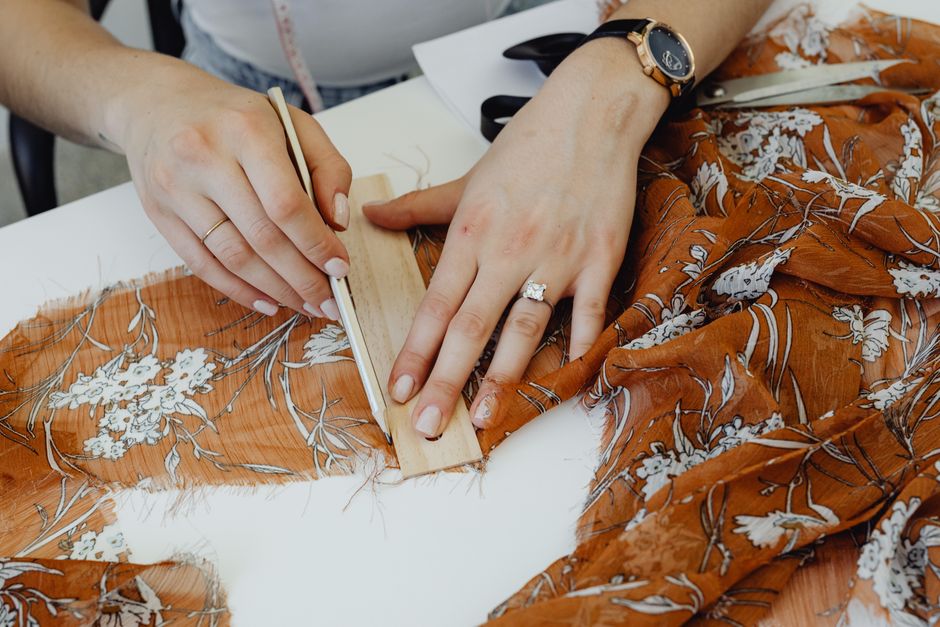
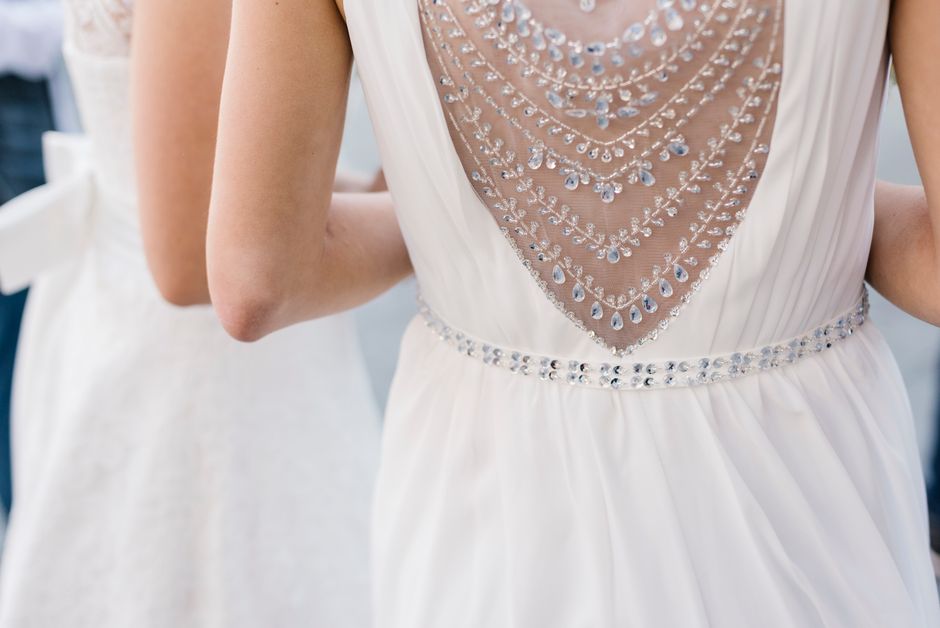
The first problem: most general alteration shops take prom dresses because the money is good. They don’t tell you they mostly hem pants and take in waistbands on suits. A prom dress is structurally different — it has boning, multiple layers of tulle, sequins that need individual attention, and fabrics like satin that show every wrong stitch.
I called 12 shops. Seven said they could do any alteration. Only two asked what the dress was made of before quoting a price.
Here’s what a prom dress requires that a basic tailor might not handle well:
- Boning adjustments (steel or plastic bones sewn into the bodice)
- Cups that need to be moved or replaced
- Multi-layer hems (chiffon over tulle over lining — each layer cut separately)
- Beading or sequins that must be removed and re-sewn by hand
- Satin that creases permanently if pressed wrong
One seamstress I spoke to, Maria from Stitch & Fit in Portland, told me she spends 30 minutes just examining a dress before quoting a price. “If someone quotes you in two minutes flat, they haven’t looked at what you brought,” she said.
The fix: Before you book, send photos of the dress — inside out, showing the seams and fabric tag. A good tailor will tell you honestly if they’ve worked with that material before. If they say “all fabric is the same,” hang up.
What a Prom Dress Alteration Should Actually Cost (2026 Prices)
Pricing varies wildly. I collected quotes from 8 shops for the same alterations on a satin A-line dress with a lace bodice. The range was $85 to $450. Here’s the breakdown of what each service should cost from a competent tailor:
| Alteration Type | Low-End Price | Mid-Range Price | High-End Price | Notes |
|---|---|---|---|---|
| Hem (single-layer, straight) | $30 | $50 | $75 | Add $15-25 per extra layer (tulle, chiffon) |
| Hem (multi-layer, curved hem) | $65 | $90 | $130 | Requires cutting each layer individually |
| Bodice taken in (side seams) | $40 | $65 | $95 | If boning needs adjusting, add $30 |
| Strap shortening | $15 | $25 | $40 | Per strap. Spaghetti straps are harder |
| Bustle (train to floor-length) | $35 | $55 | $80 | French bustle costs more than American |
| Cup replacement or addition | $25 | $40 | $60 | Includes cost of new cups |
| Beading/sequin reattachment | $20 | $35 | $55 | Per hour. Most dresses need 1-2 hours |
Total for a typical prom dress (hem + bodice taken in + bustle): expect $110 to $250. If someone quotes under $80 for all three, they’re either not doing the work or they don’t know what they’re doing.
One shop quoted me $45 for everything. The seamstress later admitted she planned to use fabric glue on the hem. Fabric glue on satin is visible, stiff, and ruins the drape. That’s a disaster waiting to happen.
The 3 Questions You Must Ask Before Booking
Most people walk into a tailor and say “I need this hemmed.” That’s not enough. Here are the three questions that separate a good tailor from a dangerous one.
Question 1: “Have you altered a dress with this fabric before?”
Specific fabric matters. Satin frays and shows needle holes. Chiffon slips and requires French seams. Mikado is thick and needs a heavy-duty machine. Tulle scratches easily and can’t be pinned the same way. A tailor who says “I’ve done wedding dresses, same thing” is not wrong, but prom dresses often use cheaper fabrics that behave differently. Push for specifics.
Question 2: “Can you show me a before-and-after photo of a similar dress?”
Any tailor who does prom work regularly has photos. If they don’t, they either don’t do it often or they don’t want you to see the results. Ask to see a hem on a sequined dress specifically — that’s the hardest alteration to do cleanly. If the sequins are missing or the hem is crooked, walk away.
Question 3: “What happens if the fit is wrong after the first fitting?”
Good tailors include one re-fit in the price. Bad ones charge per visit. Ask this upfront. One woman I spoke to paid $180 for a bodice alteration, went back for the fitting, and the tailor had taken it in on the wrong side. She had to pay another $90 to fix it. The policy should be clear before you hand over your dress.
Bonus question: “Do you use a serger or a French seam for chiffon?” If they don’t know what a French seam is, they shouldn’t touch your dress.
The Difference Between a Dry Cleaner Alterations Desk and a Real Tailor
This is the most common mistake. You search “prom dress tailor near me” on Google Maps. The top result is a dry cleaner that also does alterations. You walk in, someone behind a counter says “sure, two weeks, $60.” You leave happy. You come back two weeks later and the hem is crooked, the zipper is puckered, and the tailor who did the work is not the person you spoke to.
Dry cleaner alterations desks are staffed by whoever is working that day. Some are skilled. Most are not. The person taking your dress is not the person sewing it. You have no control over who touches your $400 prom dress.
Real tailors work out of their own shops. You meet the person who will do the work. They pin the dress on you themselves. They explain what they will and won’t do. They have a portfolio. They charge more — and they’re worth it.
I called three dry cleaners that advertised alterations. Two couldn’t tell me what type of thread they use for satin. One said “the usual kind.” That’s not confidence-inspiring.
How to find a real tailor: Search for “bridal alterations” instead of “prom alterations.” Bridal seamstresses work with expensive, delicate fabrics every day. They charge more ($150-300 for a full alteration), but they know how to handle boning, cups, and multi-layer hems. Call and ask if they take prom dresses — most do, especially in spring.
Another option: department store alteration departments. Nordstrom’s alteration team, for example, is staffed by employees trained specifically in garment construction, not dry cleaning staff. They charge by the service, not by the dress. A simple hem at Nordstrom runs $25-40 depending on the store. They also guarantee the work — if it’s wrong, they fix it free.
David’s Bridal also offers alterations on outside dresses (not just their own). Their prices are mid-range — a full alteration package runs $100-200. The quality varies by location, so read reviews for your specific store before booking.
When You Should Not Hire a Tailor at All

Not every dress needs a professional. Here’s when you should save your money and do it yourself or buy a different dress.
If the dress is more than 3 sizes too big. A tailor can take a dress in 1-2 sizes. Beyond that, the proportions change. The armholes shift. The waist hits at the wrong spot. You’re better off returning the dress and ordering the right size. One seamstress told me she turns away 1 in 5 prom dresses because the size difference is too large. “I can make it fit, but it won’t look like the original dress,” she said.
If the fabric is cheap polyester with no structure. Some $50 Amazon dresses are made from fabric that doesn’t hold stitches well. The seamstress I spoke to said she’s had dresses where the fabric literally shredded when she tried to unpick a hem. If you paid under $100 for the dress, the cost of alterations ($150-250) might exceed the dress value. Consider buying a better dress instead.
If you need the dress back in under a week. Good alterations take 1-2 weeks. Rush jobs cost 50% more and increase the chance of mistakes. If you’re trying to get a dress altered the week of prom, you’re gambling. Plan ahead or buy off the rack that fits.
If the alteration is just a simple hem on a straight skirt. You can hem a straight skirt yourself with hemming tape and an iron. It takes 20 minutes. Watch a YouTube tutorial. For a simple, straight hem on a cotton or polyester dress, you don’t need a professional. Save the $50.
The bottom line: A good tailor is worth the money if you have a dress that needs real work — bodice fitting, boning adjustment, multi-layer hem, or beadwork. For everything else, either do it yourself or buy a dress that fits better off the rack. Don’t let a bad tailor turn your prom dress into a cautionary tale.