
For icy sidewalks, traction comes before warmth. A boot can have thick insulation and still leave you sliding if its outsole loses contact with frozen pavement. Choose the sole first, then check fit, waterproofing, insulation, and height. That order gives you a safer boot without forcing you into a bulky snow style for every cold morning.
Grip Comes Before Warmth on Black Ice
My clear recommendation is to buy for the surface you walk on, not the lowest temperature printed on the box. Black ice creates a traction problem before it creates a warmth problem. A warm boot with a smooth rubber sole can fail within one step, while a moderately insulated boot with a cold-weather compound and a deep tread can keep your feet stable.
What the outsole must do
Look for rubber that stays flexible below freezing. Standard rubber can harden in cold air, reducing the amount of sole that touches the ground. Search for a sole described as winter-specific, ice-gripping, or designed for freezing temperatures. Deep lugs help in loose snow, but large lugs alone do not guarantee grip on a thin layer of ice. A dense pattern with several contact points often works better on cleared sidewalks.
How to judge traction before buying
Study the outsole photo rather than trusting words such as rugged or all-weather. You want visible edges, channels that move slush away, and a heel that cannot easily roll sideways. Flexible forefoot rubber also matters because your foot needs to bend as you step. If your route includes untreated ice every day, removable traction aids or built-in studs offer the strongest hold, but they can scratch indoor floors and feel awkward on polished tile. For mixed routes, choose a non-studded winter sole with a proven cold-weather compound.
Fit and Sock Space Decide Whether Insulation Works

The right winter boot should feel secure at the heel and roomy around the toes. That balance is more useful than simply buying one size larger. A tight toe box compresses your socks and reduces the warm air around your feet. A loose heel lets your foot slide, creating blisters and making each icy step less controlled.
Leave room for warm air
Try boots with the socks you will actually wear. A medium-weight merino wool sock usually gives a better test than a thin everyday sock. Your toes should move freely, and you should have roughly 10 to 15 millimeters of space in front of the longest toe. Press down on the upper while standing. If it touches your toes, the boot is too short. If your foot swims when you walk, sizing up was the wrong fix.
Check the ankle and calf fit
Walk up and down a few steps before deciding. Your heel should lift only slightly, while the ankle collar should stop your foot from tipping sideways. Tall boots need enough room for trousers or leggings without cutting into the calf. A gusset, adjustable lacing, or side zip helps seal out snow, but a tight shaft can restrict movement. For a shorter urban commute, a mid-height boot often offers the best mix of mobility, warmth, and protection.
Use the late-day fitting test
Feet swell after hours of standing and walking. Test boots later in the day, when they are closer to their largest size. Keep both boots on for at least ten minutes. The correct pair should feel supportive immediately; winter footwear rarely becomes comfortable after a painful break-in period.
Which Winter Boots Match Your Ice Exposure?
These examples show why no single boot wins every winter scenario. The strongest choice for daily ice is not automatically the best choice for deep cold or long outdoor work. Listed prices are US prices and can change during the season.
Compare the sole, temperature range, and use
| Boot | Best use | Listed price | Relevant specifications | Verdict |
|---|---|---|---|---|
| Icebug Metro2 BUGrip | Frequent icy sidewalks | $249.95 | 16 steel studs; comfort range from 5°C to -20°C | Best for regular pavement ice |
| Merrell Thermo Snow Grip Mid Waterproof | Snowy walks and mixed trails | $180 | 200 grams of PrimaLoft Gold Eco insulation; Vibram Arctic Grip All Terrain outsole | Best balance for snow and changing surfaces |
| Salomon Toundra Pro CSWP | Very cold outdoor conditions | $200 | Rated to -40°F/-40°C; Winter Contagrip outsole; 1 pound 8 ounces per boot | Best for deep cold, not polished indoor floors |
Best for untreated city ice
The Icebug Metro2 BUGrip is the strongest pick when slipping is your main concern. Its 16 steel studs create direct contact with hard ice, and the comfort range suits ordinary winter walking. The tradeoff is clear: studs can be noisy indoors, less comfortable on bare pavement, and unsuitable for floors that scratch easily.
Best for cold outdoor activity
The Salomon Toundra Pro CSWP wins for long periods in severe cold because its -40°F/-40°C rating and aerogel insulation target warmth without the weight of an expedition boot. The Merrell Thermo Snow Grip Mid Waterproof is the better middle ground for normal snow days, especially when you want a hiking-style shape and traction across snow, slush, and short icy sections.
Five Buying Mistakes That Make Winter Boots Fail
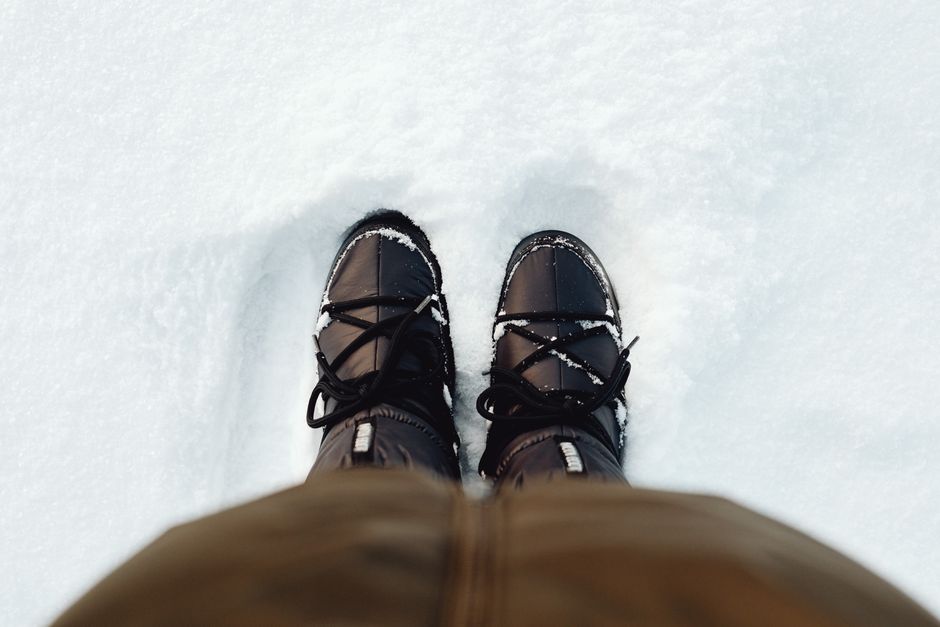
The best purchase is the boot that matches your route and your habits. Avoid these common errors before you spend money.
Use this checklist in the fitting room
- Choosing fashion soles first. A smooth Chelsea-style sole may look polished, but it gives you little margin on frozen pavement. If the route is icy, examine the rubber before the color or shaft shape.
- Buying for extreme cold when you mostly commute. A very insulated boot can make feet sweat during a short train or car trip. Damp socks become cold socks. Pick lighter insulation for brief urban walks.
- Ignoring the toe box. Pointed boots squeeze toes together and reduce warmth. Choose a rounded or anatomical front with space for natural movement.
- Trusting temperature ratings too literally. Ratings depend on activity, socks, circulation, and how long you stand still. A rating of -40°C does not make a boot safe on ice, and it does not guarantee comfort for every wearer.
- Skipping maintenance. Salt and grit dry leather, clog tread channels, and damage seams. Wipe boots after each salted walk, dry them away from direct heat, and replace worn traction before the next icy season.
When a cheaper boot is the wrong bargain
A low price is not a saving if the outsole loses grip after one season or the upper leaks at the first slushy crossing. Spend more on traction when you walk on ice daily. Spend less on insulation when you travel mostly between heated buildings. That tradeoff gives your budget a useful job instead of paying for warmth you never use.
When Should You Skip Heavy Winter Boots?
Are tall insulated boots always safer?
No. Tall boots protect against deep snow, but they can feel stiff and heavy on cleared city streets. If your route is mostly pavement with occasional slush, a waterproof mid boot gives you better movement and easier indoor wear. Choose a tall shaft only when snow regularly reaches above the ankle or your outdoor time lasts more than an hour.
When are traction aids the smarter choice?
Traction aids make sense when your existing boots fit perfectly and you face only occasional ice. They also work well for short walks from a car to a building. They are a poor choice for long indoor days because metal points can damage floors and rubber overshoes can feel unstable on stairs. For daily ice, built-in traction is simpler and more consistent.
What is the final decision?
For frequent untreated ice, choose a fitted mid-height boot with a winter rubber sole or built-in studs. For mixed snow and pavement, choose flexible rubber, waterproof construction, and moderate insulation. For severe cold, prioritize insulation and coverage after confirming that the outsole still grips frozen ground. That approach turns the next slippery morning from a balancing act into an ordinary walk, with warmth supporting your feet instead of hiding a weak sole.