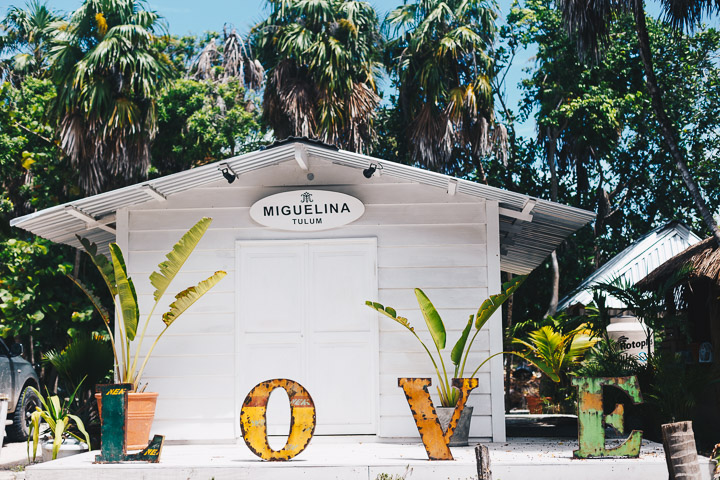
You’ve seen the Instagram photos. The turquoise water, the cliffside ruins, the $400-a-night boutique hotel. You scroll, you save, you sigh. Then you check flight prices and close the tab. I get it. That was me six months ago. I wanted Tulum, but I didn’t want to spend two months’ rent on a vacation.
So I did something stupid: I actually tracked every single peso we spent. No rounding up, no forgetting the $6 cab ride. Here’s the real number: $1,214.73 for two people, seven nights. That includes flights. Here’s exactly how we did it, and where you’ll probably mess up if you try to copy us.
Why Most Tulum Budgets Fail Before You Leave
The biggest lie in travel budgeting is that you can predict costs from a blog post. You can’t. Prices change by season, by demand, and by how many other tourists showed up that week. But the failure pattern is predictable: people underestimate cash needs and overestimate how cheap “Mexico” is.
The ATM trap
We landed at Cancún International Airport (CUN) with $200 USD in cash. That was our first mistake. The ATM at the airport charges a flat fee of 45 pesos ($2.25) plus whatever your bank hits you with. We withdrew 4,000 pesos ($200) and paid about $12 in fees. That’s 6% gone before you buy a taco. Solution: Bring enough USD to exchange at a casa de cambio in Tulum town. The rate is worse than ATM but the fee is zero.
The “one more night” problem
Every hostel and hotel we looked at had a dynamic pricing model. Book three nights? $45/night. Book seven? Suddenly $55/night because they assume you’re desperate. We booked our whole stay on Airbnb for $42/night for a studio in La Veleta, about 15 minutes by bike from the beach. That locked the price. If you wait, you lose.
What we actually spent: the hard numbers
| Category | Cost (USD) | Notes |
|---|---|---|
| Flights (round trip, two people) | $480 | Frontier from Denver, no bags, Tuesday departure |
| Accommodation (7 nights) | $294 | Airbnb studio, La Veleta, no AC (we used a fan) |
| Food & drinks | $210 | Breakfast from the corner store, lunch at taquerías, one nice dinner |
| Transport (bus, taxi, bike rental) | $68 | ADO bus from Cancún, colectivo to ruins, bike rental for 5 days |
| Activities (cenotes, ruins, park) | $112 | Gran Cenote ($18/person), Tulum Ruins ($4/person), two free cenotes |
| Misc (fees, tips, sunscreen) | $50.73 | ATM fees, bug spray, SIM card |
| Total | $1,214.73 |
That’s $173.53 per person per day. That includes flights. Most people I know spend that on a single night at a beachfront resort. The gap isn’t about luck—it’s about choices.
The Real Cost of Cenotes: Which Ones Are Worth It
Cenotes are not free. Some cost $5, some cost $25, and some charge you for parking, life jacket, and a mandatory guide. We visited four. Two were worth the money. Two were not.
Gran Cenote ($18/person) — worth it
Clear water, good for snorkeling, turtles. You need to book online in advance during high season (December–April). We showed up at 8:30 AM and had the place to ourselves for an hour. By 10 AM it was packed. Bring your own snorkel mask — rental is $8 and the quality is terrible.
Cenote Calavera ($10/person) — not worth it
Also called “Temple of Doom” because of the three holes you jump through. Water was cold and cloudy. The ladder to get out is rusted. The Instagram photos are heavily filtered. Skip it.
Cenote Escondido ($5/person) — worth it
About 20 minutes south of Tulum on the 307. Small, quiet, locals only. No life jacket requirement, no crowd. Water is a deep blue-green. Bring cash — no card accepted. We spent two hours here and saw maybe six other people.
Cenote Nicte-Ha ($12/person) — not worth it
Part of a park with three cenotes connected by walkways. Overpriced for what it is. The water is murky from all the sunblock. The park charges an extra $5 for parking. Go to Escondido instead.
Bottom line: You don’t need to visit more than two cenotes. Pick one clear-water popular one (Gran Cenote) and one hidden one (Escondido). That’s $23 total per person. Save the rest for tacos.
Where the Money Actually Goes (and How to Cut It)
If you look at our table, the biggest single cost was flights. We got lucky with a Frontier sale — $240 round trip per person from Denver. But that’s not the whole story. The real cost was the choice to fly on a Tuesday and not check a bag. If you fly on a Friday with a checked bag, add $200 minimum.
Here’s the breakdown of where you can cut without ruining the trip:
- Flights: Use Google Flights, set alerts for your airport. Be flexible on dates. Tuesday and Wednesday departures are consistently 30-40% cheaper than weekends. We saved $160 by flying Tuesday instead of Saturday.
- Accommodation: La Veleta is the budget sweet spot. It’s a 15-minute bike ride to the beach road, but the beach road hotels start at $150/night. Our Airbnb was $42/night. No AC, but we didn’t need it in February. If you need AC, expect $60-80/night in La Veleta.
- Food: Eat where the locals eat. Taquería El Carboncito on Avenida Tulum has tacos al pastor for 25 pesos ($1.25) each. Three tacos and a water = $4.50. The beachfront restaurant with the same tacos? $12. We ate one nice meal (Arca, $60 for two with drinks) and cooked the rest in our Airbnb kitchen.
- Transport: Rent bikes. We paid $15 per person for 5 days from a shop on Calle Sol. Taxis in Tulum are expensive — $10 for a 5-minute ride. Bikes cover everything in town and to the ruins (about 4 km).
One mistake most people make: They try to do too much. Tulum to Chichén Itzá is a 2-hour drive each way. That’s a full day, plus $30 per person for the entrance fee, plus a guide if you want one. We skipped it. We saved $60 and a day of travel. Focus on what’s close: the ruins, the cenotes, and the beach. That’s enough for a week.
Packing for Tulum: What You Actually Need (and What to Leave Home)
I packed for a fashion shoot. I brought linen dresses, a straw hat, two swimsuits, and sandals. I used exactly one dress and one swimsuit. The rest sat in my suitcase. Here’s the real list:
- Two swimsuits — one to wear, one to dry. Rinse them in fresh water after every cenote or the chlorine will destroy the elastic.
- One pair of shorts + one T-shirt — for the bike rides and taquerías. Linen is good, but it wrinkles instantly. Accept it.
- One nicer outfit — for that one dinner. A dress or a button-down. That’s it.
- Water shoes — the cenote floors are rocky. Flip-flops will slip. I bought a pair of Speedo Surfwalkers ($25) and they saved my feet.
- Reef-safe sunscreen — the government banned non-biodegradable sunscreen in cenotes. Use Supergoop! PLAY SPF 50 ($22) or Sun Bum SPF 50 ($18). Both work. Neither will make you look good in photos, but your skin won’t peel.
- A dry bag — for your wallet and phone when you’re in the cenote. We used a Sea to Summit Ultra-Sil ($15). It fit our phones, keys, and a small towel.
Leave the designer bag at home. Leave the heels. Leave the expensive jewelry. Tulum is dusty, sandy, and humid. Everything you bring will get coated in a fine layer of limestone powder. Pack cheap, pack light, and buy a $5 sarong on the street if you need something pretty for a photo.
When NOT to Go to Tulum (and What to Do Instead)
I’m going to say something unpopular: If you can’t handle heat and crowds, don’t go to Tulum in December or January. I know everyone wants a “winter escape.” But the beach road is a traffic jam of golf carts and rental cars. The cenotes have lines. The restaurants have 45-minute waits. And the temperature is still 85°F with 80% humidity. It’s not relaxing.
Better months: February and March are slightly cooler (high 70s) and less crowded. May and June are hot (90s) but the crowds thin out and prices drop by 30%. September and October are rainy — you’ll get afternoon downpours that last an hour. The water is still warm, and the cenotes are emptier.
If you decide Tulum isn’t for you, try Holbox. It’s a car-free island north of Cancún. No golf carts, no traffic, no beach clubs with $20 cover charges. The water is just as turquoise. The food is cheaper. The vibe is sleepy. We spent three days there after Tulum and it was the better part of the trip. Holbox costs about 30% less than Tulum for accommodation and food.
Another alternative: Puerto Morelos, a fishing village between Cancún and Tulum. It’s quieter, cheaper, and has a real town square. You can get a beachfront room for $60/night. No Instagram hype, just hammocks and ceviche.
The One Thing I’d Do Differently
I’d skip the rental car. We almost rented one — $45/day plus insurance. Instead, we took the ADO bus from Cancún airport to Tulum ($12/person, 1.5 hours, air-conditioned). Then we rented bikes. That saved us $300 and a lot of stress. Driving in Tulum is chaotic. The main road is a two-lane highway with speed bumps and sudden stops. Parking near the beach costs $10-15. The bikes were slower but cheaper and more fun.
The other thing: bring earplugs. La Veleta has roosters. They start at 5 AM. Every single morning. I’m not kidding. A $3 pack of foam earplugs would have saved me four mornings of grumpy wake-ups.
Tulum isn’t a luxury destination. It’s a dusty beach town with incredible water and expensive tacos. If you treat it like a resort, you’ll spend $3,000 and feel ripped off. If you treat it like a backpacking trip with better food, you’ll spend $1,200 and wonder why you ever thought you needed a $400 hotel room. The water doesn’t care how much you paid to see it.