A summer dress is often less versatile than a pair of jeans—until its hem, fabric, and shoe plan work together. The right dress can handle a hot commute, a garden lunch, and an evening change of plans without looking like the same outfit each time. No state law is discussed in this fashion guide. This is not legal advice — consult a licensed attorney.
Why Some Summer Dresses Earn Closet Space
The real job of a summer dress
The best summer dress solves three problems at once: heat, outfit friction, and occasion changes. It should allow air to move around the body, sit comfortably when you walk or eat, and look finished without a long list of accessories. That is why a simple cotton midi can work harder than a dramatic party dress. Its value comes from repeated use, not from a striking first impression.
Think of the dress as a base layer for a complete outfit. A clean neckline gives room for a necklace. A defined waist keeps flat sandals from making the look shapeless. A hem that reaches below the knee can move from office settings to dinner with only a shoe change. The strongest choice is a dress that gives you at least three believable outfits.
The three-outfit test
Before buying, picture the dress with flat sandals, low-profile sneakers, and a slightly dressier shoe. Add a lightweight shirt, cropped cardigan, or unlined blazer. If the dress works in three combinations without awkward bunching or excessive fuss, it has earned consideration. If it only works with one exact bra, one exact heel, and one very specific event, it is a special-occasion purchase rather than a must-have.
Verdict: Choose versatility over decoration. A breathable midi with a useful neckline and a stable waist will serve more summer days than a highly detailed dress that cannot leave its original setting.
How to Choose Fabric and Fit for Heat

Start with air movement
Fabric matters, but fit decides how that fabric behaves. Linen, cotton poplin, cotton voile, and lightweight chambray can all feel comfortable in warm weather when the dress does not cling tightly under the arms or across the stomach. A loose skirt is useful because it creates movement as you walk. A narrow skirt can still work, but it needs a back vent, side slit, or enough stretch for sitting.
Look for a lining that stops sweat from turning into visible cling. Full polyester lining can trap heat, while a partial cotton lining may keep the skirt opaque without making the whole garment heavy. Check the care label before buying. Linen wrinkles, rayon can shrink or distort, and delicate cotton may need air-drying. These are not reasons to reject a fabric; they are ownership costs that belong in the decision.
Use measurements instead of a size label
Measure your bust, natural waist, and fullest hip, then compare those numbers with the garment chart. A wrap dress needs enough overlap at the bust. A fitted bodice needs room to breathe when you raise your arms. For a midi hem, measure from the shoulder or waist to the point where you want the skirt to finish. Petite shoppers often prefer a hem just below the knee, while taller shoppers may find a mid-calf length more balanced.
Check transparency and support
Hold pale fabric toward a window or bright lamp. If the weave reveals the outline of your hand, plan for a lining, slip, or darker color. Test the armholes by reaching forward and sitting down. A dress that looks elegant while standing can become impractical when the neckline shifts or the skirt rides upward. Verdict: Pick the coolest fabric that still offers coverage, support, and easy movement.
Five Dress Shapes That Cover Real Summer Plans
Match the silhouette to the setting
Different shapes solve different wardrobe problems. An A-line midi is the safest all-rounder because it gives the waist some definition while leaving room through the hips. A shirt dress works for offices and travel because buttons and a collar add structure. A slip dress creates a clean evening line, but it often needs a layer or supportive undergarment. A tiered maxi gives maximum airflow, while a fitted knit dress looks polished but can feel warmer and show more body movement.
| Silhouette | Best use | Useful length | Main tradeoff |
|---|---|---|---|
| A-line midi | Daily wear, lunch, casual office | Below knee to mid-calf | Can look plain without a strong shoe or bag |
| Shirt dress | Travel and polished daytime outfits | Knee to midi | Buttons may pull across the bust |
| Slip dress | Dinner, weddings, evening events | Midi to ankle | Often needs layering and careful underwear |
| Tiered maxi | Beach days, markets, relaxed weekends | Ankle-skimming | Too much volume can overwhelm a small frame |
| Fitted knit | Minimal evening and city dressing | Knee to midi | Less forgiving in direct heat |
Choose the strongest shape for your schedule
For one dress that must do the most work, choose the A-line midi. It accepts sandals, sneakers, ballet flats, and low heels without a major style shift. For frequent travel, the shirt dress wins because it can open over swimwear, close for dinner, or work as a light layer. For warm outdoor events, the tiered maxi is the better choice when its length does not drag on the ground.
Verdict: The A-line midi is the best first purchase. Add a shirt dress if your week includes travel or work, then choose a slip or maxi only for the occasions they genuinely serve.
How to Style One Dress Three Different Ways

Use a simple styling sequence
- For daytime: Add leather sandals, a woven tote, and small metal earrings. Keep the bag close to the color of the shoes so the dress remains the main line.
- For a sharper setting: Add a narrow belt, a structured shoulder bag, and a cropped cardigan or unlined blazer. Roll the sleeves once to keep the outfit from looking heavy.
- For evening: Replace the daytime shoe with a low block heel or slim flat, add a compact bag, and choose one visible accessory. A single cuff or pendant usually looks more modern than several competing pieces.
Let the shoe control the mood
The shoe changes the message faster than jewelry. White leather sneakers make a floral midi feel practical. Minimal sandals keep a linen dress relaxed. A pointed flat or low heel gives the same dress more polish without creating the discomfort of a high heel on hot pavement. Match the shoe to the walking required. A beautiful outfit that causes blisters after twenty minutes is a poor summer formula.
Use layers for temperature swings
Air conditioning can make a sleeveless dress uncomfortable indoors. A cotton cardigan, oversized linen shirt, or cropped denim jacket adds coverage without turning the outfit into a winter look. The Uniqlo AIRism Cotton Sleeveless Dress is a useful reference for this approach: its casual jersey shape works best with sneakers and a shirt layer rather than formal accessories. The COS Linen-Blend Midi Dress shows the opposite strategy, using a cleaner line that can take a belt or tailored layer.
Verdict: Build each look from the shoe outward. The dress stays constant, while footwear and one layer create the occasion change.
What Usually Goes Wrong With Summer Dresses?
Why does a dress feel hotter than expected?
Heat usually comes from trapped air, cling, or an overbuilt lining. A dress may be made from linen yet feel warm if it has a tight armhole and a polyester slip attached inside. The fix is not always a smaller size. Try a larger arm opening, a shorter lining, or a less fitted waist. Dark colors can also absorb more sunlight, though ventilation still matters more than color alone.
Why does the skirt ride up?
Walking friction, a narrow hip measurement, and static can pull the skirt upward. Check the hip measurement first, then test the dress while taking several long steps. A half-slip can reduce cling, but it cannot correct a skirt that is too tight. Avoid buying a longer size and having only the hem shortened if the bodice and hip fit remain wrong.
When should you skip a summer dress?
Skip it when the fabric needs constant steaming, the neckline requires repeated adjustment, or the dress cannot be worn with your existing shoes. Also skip a very light dress for a windy location if the skirt has no weight or lining. A well-cut pair of linen trousers may be the better purchase for cycling, long commutes, or settings that demand frequent bending and sitting.
Verdict: Comfort failures are usually visible during a five-minute movement test. Walk, sit, reach, and check the fabric in strong light before removing the tags.
Which Named Dresses Are Worth Using as Style References?
The best casual reference
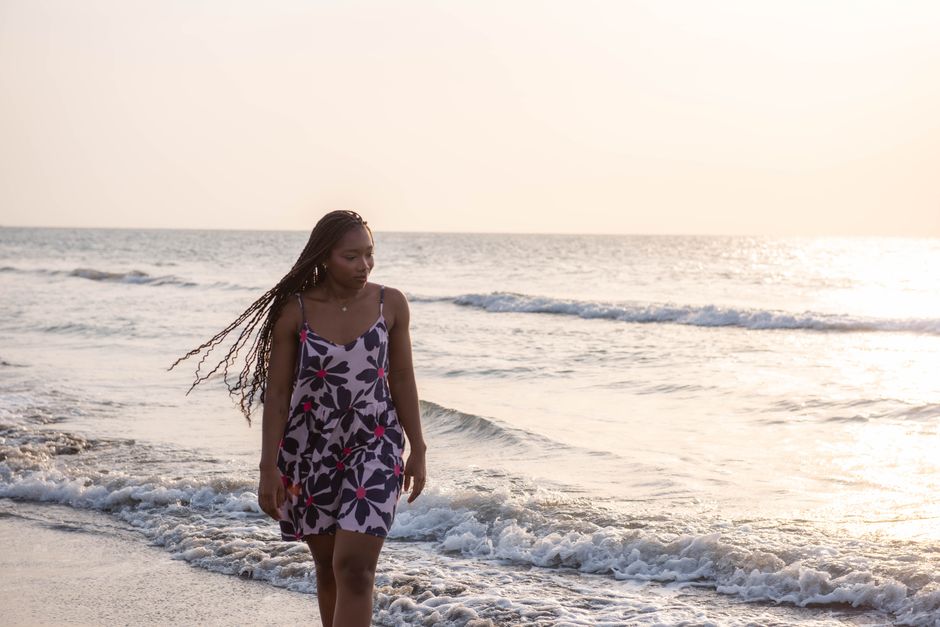
The Uniqlo AIRism Cotton Sleeveless Dress is the clearest reference for an easy jersey dress: sleeveless, low-fuss, and suited to sneakers or flat sandals. Choose this kind of shape for errands, travel days, and casual lunches. It is not the strongest choice for a formal event because the knit fabric and simple finish read as relaxed. The specific lesson is useful even when you buy another label: casual dresses need clean lines and enough weight to avoid clinging.
The best polished reference
The COS Linen-Blend Midi Dress offers a more architectural direction, with a straighter shape and a fabric that supports a sharper accessory. It works for city lunches and creative offices when paired with a slim belt or structured bag. Its tradeoff is less room through the body than a tiered dress, so check the hip measurement and sit test carefully.
The best romantic reference
Faithfull the Brand Soleil Dress and Reformation Tagliatelle Dress both represent the fitted, occasion-focused end of summer dressing. They make sense for dinners, weddings, and holidays where a more defined silhouette is useful. Neither should be treated as the only dress in a small wardrobe. If you need one dress for regular wear, choose the A-line midi first. If you already own practical day dresses, one of these more shaped references can add variety.
Verdict: For daily value, choose the Uniqlo-style jersey silhouette. For polished city dressing, choose the COS-style linen midi. For a special event, the Faithfull or Reformation approach earns its place, but only when you already have the basics covered.
How to Make the Final Purchase Decision
Ask five questions before checkout
Can you name three occasions for the dress? Does it work with two pairs of shoes you already own? Is the fabric suitable for your local heat? Can you wash or care for it without a special routine? Will the neckline and hem remain comfortable while sitting? A yes to four or five questions usually signals a useful purchase. Fewer than four suggests that the dress is attractive but not essential.
Build the edit in the right order
Start with one breathable A-line midi in a color you can repeat. Add a shirt dress when you need work or travel flexibility. Choose a print, slip shape, or maxi only after you understand which gaps remain. This order prevents a closet full of special silhouettes that all need the same narrow set of accessories.
The strongest must-have summer dresses are not defined by one trend. They earn their place through airflow, movement, and the number of settings they can handle. As summer wardrobes move toward fewer, more useful pieces, the winning dress will be the one that makes dressing feel easier without making every outfit look the same.