The cape blazer isn’t new, but it’s still widely misunderstood. People consistently buy the wrong ones, ending up with a garment that looks more like a costume piece than a chic, professional statement. Stop wasting your money on items that simply won’t elevate your wardrobe.
Why Most Cape Blazers Look Cheap
Let’s be blunt: most cape blazers on the market are terrible. They fall apart, they wrinkle instantly, and they drape like a wet rag. The biggest culprit is the fabric, closely followed by poor construction. You see them everywhere, from fast fashion racks to mid-range boutiques, and 90% of them are not worth a single cent. It’s an item that demands a certain level of quality, and anything less just looks cheap.
The Fabric Fallacy: Avoiding Polyester Traps
The primary issue with inferior cape blazers is the fabric. Cheap polyester is the enemy here. It’s shiny, it pills, and it traps heat, making the garment uncomfortable and unprofessional. Worse, it often lacks the necessary weight and structure to hold the cape silhouette properly. Instead of a crisp, architectural line, you get something that collapses on itself, looking flimsy and unkempt. A cape blazer needs substance; flimsy fabrics are a hard pass. Don’t fall for the “crepe-look polyester” trick. It’s still polyester, and it rarely has the genuine drape or durability of real crepe.
You need a material that has a certain stiffness or weight to it. Think of it like a well-tailored jacket: it holds its shape. If the fabric feels thin, slick, or excessively stretchy, put it back. It won’t last, and it definitely won’t look good after a few wears or dry cleans. This isn’t a flowing kimono; it’s a structured piece of outerwear. Treat it as such.
Structure is Non-Negotiable: No Draping Allowed
Beyond the fabric, the construction makes or breaks a cape blazer. A quality cape blazer needs proper interlining and sturdy shoulder pads. Without them, the shoulders will sag, and the cape will lose its defined shape. You want sharp lines, not soft slopes. Many cheap versions skip these crucial structural elements entirely or use flimsy, pre-molded foam pads that flatten after one wear. The armholes also need to be perfectly finished and reinforced; raw edges or weak stitching will fray and pull. Look inside the blazer. A fully lined interior, especially with a smooth, breathable fabric like Bemberg or acetate, indicates a higher quality garment. Unlined or half-lined cape blazers are often a sign of cost-cutting and will wear out faster, feeling less comfortable against the skin. If it feels like a thin jacket with armholes cut out, it probably is.
Fabrics That Don’t Flop: What to Look For
Getting the right fabric is non-negotiable for a cape blazer. It’s the difference between looking polished and looking like you threw on a blanket. You need materials that offer both structure and a sophisticated drape. This isn’t a place for flimsy knits or super-soft wovens; it requires backbone. Always prioritize natural fibers or high-quality blends known for their crispness and body.
Wool Blends: The Gold Standard for Structure
For a truly exceptional cape blazer, look for wool blends. A medium-weight wool crepe, gabardine, or even a structured wool suiting fabric will provide the ideal foundation. These materials naturally hold their shape, resist wrinkling significantly better than most synthetics, and offer a luxurious feel. A blend with a small percentage of elastane (2-5%) can add comfort and flexibility without sacrificing structure, allowing for movement without stretching out of shape. Brands like Theory, Reiss, and Sandro often high-quality wool blends that are perfect for this silhouette. Look for fabrics in the 250-350 GSM (grams per square meter) range for optimal drape and durability. Anything much lighter will feel insubstantial; anything heavier might feel too stiff.
Crepe and Ponte: Structured Alternatives to Consider
If wool isn’t in your budget or preference, high-quality synthetic crepes or ponte knits are your next best bet. These aren’t the cheap, shiny polyesters we just condemned. A good synthetic crepe will have a matte finish, a substantial hand, and a slightly pebbled texture that helps it drape beautifully and resist wrinkles. Ponte knit, a thicker double-knit fabric, offers excellent stretch and recovery while maintaining a firm structure. It’s comfortable but still holds a crisp line, making it a strong contender for everyday wear. When evaluating these, feel the weight. Does it feel dense and resilient, or thin and flimsy? Brands like Vince Camuto or Club Monaco sometimes offer excellent crepe options that fit the bill without the wool price tag. Always check the fabric composition: look for blends of polyester, rayon, and elastane designed for structure, not just softness.
Lining Matters: Beyond the Outer Shell
The interior lining is just as important as the exterior fabric. A fully lined cape blazer not only feels more luxurious and comfortable against your skin but also helps the garment maintain its shape. The lining fabric itself should be smooth and breathable—think Bemberg cupro, acetate, or a good quality polyester satin. Avoid rough or static-prone linings, which will make the blazer uncomfortable and difficult to wear over other garments. A well-constructed lining will also feature neat, flat seams, indicating attention to detail in the overall garment construction. This inner layer significantly contributes to the overall longevity and polished appearance of your cape blazer.
Fit First, Style Second: Getting It Right
A cape blazer isn’t just a regular blazer with armholes cut out. The fit is crucial, dictating whether you look polished or sloppy. Pay attention to these details; they make all the difference.
Shoulder Seam: The Foundation
The shoulder seam is the absolute bedrock of a well-fitting cape blazer. It must sit precisely at the edge of your natural shoulder. If it’s too wide, the blazer will look oversized and sloppy, causing the cape to fall incorrectly. If it’s too narrow, it will pull and look restrictive, making you appear broad-shouldered in an unflattering way. The shoulder pads, if present, should create a clean, defined line, not an exaggerated one. Test this by standing naturally and checking the seam’s alignment in a mirror. Don’t compromise here; a poor shoulder fit ruins the entire silhouette. This is where many fast-fashion options fail, using generic shoulder structures that don’t accommodate varied body types.
Armhole Design: Freedom vs. Form
The armhole of a cape blazer needs a specific design. It shouldn’t be too tight, restricting movement or bunching fabric around your arms. Conversely, it shouldn’t be so wide that it exposes too much of your side or undergarments. The ideal armhole provides enough space for comfortable movement, allowing the cape itself to drape smoothly over your arms and shoulders without pulling or creating tension points. Check that the edges of the armhole are neatly finished and reinforced, as this area experiences a lot of stress during wear. A poorly designed armhole will lead to discomfort and compromise the elegant flow of the cape. Ensure it’s tailored, not just a raw opening.
Overall Length: Proportions Are Key
The length of your cape blazer significantly impacts its overall aesthetic. A cropped cape blazer (hitting at the natural waist or just above) works wonderfully with high-waisted trousers or skirts, creating a long-legged silhouette. A hip-length version is the most versatile, suitable for both office wear and casual styling over dresses or jeans. Longer, tunic-style cape blazers, which extend mid-thigh, offer a dramatic, sophisticated look, best paired with slim-fit bottoms to maintain balance. Consider your height and the type of outfits you plan to wear it with. A petite person might get swallowed by a very long cape blazer, while a taller individual can pull off more exaggerated lengths. The hemline should be clean and straight, without any puckering or unevenness, which indicates poor tailoring.
Cape Blazer vs. Classic Blazer: The Real Difference
Understand this: a cape blazer is not a direct replacement for a classic blazer. They serve different purposes and convey distinct aesthetics. Treating them interchangeably is a styling mistake. One is a statement, the other is a staple. Get that straight.
Formality and Context: When Each Shines
A classic blazer is the workhorse of your wardrobe. It’s inherently more formal, more structured, and generally more appropriate for traditional office environments, client meetings, or any situation requiring a conservative, polished look. It’s about professionalism and reliability. The cape blazer, on the other hand, leans into fashion-forward territory. It’s a statement piece. It works best for creative industries, evening events, networking mixers, or any setting where you want to project confidence and a contemporary edge. You wouldn’t wear a cape blazer to a conservative board meeting, just as a classic navy blazer might feel too stuffy for a fashion week event. Context is everything.
Styling Versatility: Pairing Considerations
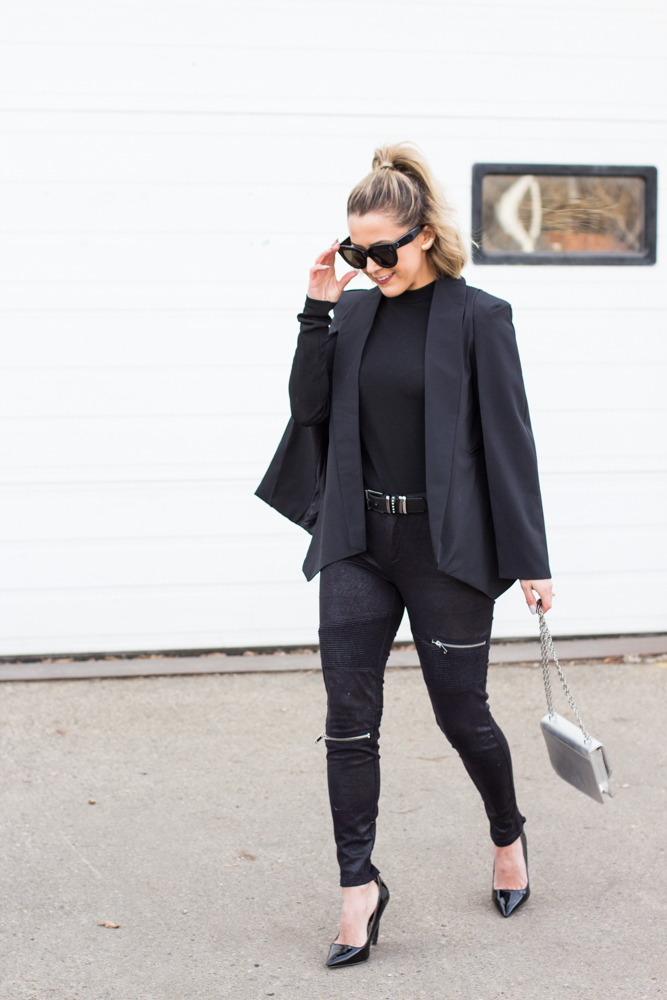
Classic blazers are incredibly versatile, pairing effortlessly with everything from jeans and t-shirts to full suiting. They integrate seamlessly into a multitude of outfits. The cape blazer, due to its unique silhouette, requires more thoughtful styling. It’s best paired with streamlined, simple pieces underneath to let the cape be the focal point. Think slim-fit trousers, pencil skirts, or a sleek sheath dress. Chunky sweaters or voluminous tops underneath will look awkward and disrupt the cape’s clean lines. Accessorizing should also be minimal to avoid visual clutter. Let the cape do the talking. It’s a specific item for specific impact, not a throw-on-and-go piece for every occasion.
| Feature | Cape Blazer | Classic Blazer |
|---|---|---|
| Arm Design | Cape-like overlay, open armholes | Traditional sleeves, closed armholes |
| Formality | Fashion-forward, modern, statement | Traditional, professional, conservative |
| Best Occasion | Evening events, creative settings, networking | Office, client meetings, formal business |
| Styling Focus | Statement piece, minimalist pairings | Versatile, foundational, structured outfits |
| Overall Vibe | Chic, confident, dramatic | Polished, reliable, understated |
Top Cape Blazers Worth Your Money (2026)
Don’t waste time sifting through endless mediocre options. Here are the cape blazers that actually deliver on style, quality, and structure. Invest wisely; this isn’t an item to skimp on.
Investment Piece: Theory Power Cape Blazer
If you’re serious about your wardrobe, the Theory Power Cape Blazer is the benchmark. Theory consistently delivers on sharp tailoring and premium fabrics. Their cape blazer, typically crafted from a high-quality wool crepe or a substantial triacetate blend, holds its shape impeccably. Expect clean lines, strong shoulders, and a fully lined interior that feels luxurious. It’s an investment, often retailing around $400-$600, but it will last years and never look dated. The fit is consistently true to size, and the design is timeless, making it suitable for both professional and elevated evening wear. This is the one you buy once and keep forever.
Mid-Range Excellence: Reiss or Ted Baker Options
For a step down in price but not a massive drop in quality, look at brands like Reiss or Ted Baker. Reiss, in particular, often features cape blazers in their collections. Their options typically use structured polyester blends or substantial crepes that mimic natural fibers well. You’ll find good tailoring, thoughtful details, and solid construction for around $250-$400. Ted Baker offers a similar aesthetic with a slightly more feminine touch, often incorporating unique hardware or subtle patterns. Their fabrics tend to be robust, and the internal structure, while not always as intricate as Theory’s, is sufficient to maintain the cape silhouette effectively. These are excellent choices for someone wanting a polished look without the top-tier designer price tag.
Budget-Friendly Structured Pick: Zara’s Best Bet
Finding a truly good cape blazer on a budget is tough, but not impossible. Your best bet is Zara, specifically their tailored collections. You need to be selective. Look for their blazers made from thicker, matte-finish polyester blends or textured crepes, not the flimsy, shiny ones. Prioritize options with visible shoulder pads and a substantial feel in your hand. Check the lining; a full lining is a good sign. Zara’s pricing varies, but you can typically find a decent option for $80-$150. Be prepared to try a few on, as consistency can vary. Avoid anything that feels too light or drapes too softly; it will look cheap. The goal is a structured, defined silhouette, even at a lower price point. They often release a few strong contenders each season, but you must inspect them in person for quality.