I’ve been wearing mules for years now, probably since the mid-2010s when they first made their big comeback. I loved the idea of them: easy to slip on, chic, a little bit sophisticated. But for a long time, I just couldn’t make them work. I’d try them with jeans, with dresses, and every single time, I’d look in the mirror and think, “This just feels… off.” The outfit would look frumpy, or the shoe would slip constantly, or my feet would ache after an hour. I wanted that effortless, cool-girl vibe, but I kept getting the awkward-foot-shuffle-and-slightly-undone look instead. It took a lot of trial and error, and honestly, a few wasted purchases, to really nail down how to style them correctly. But now? They’re a cornerstone of my wardrobe. Let me tell you what I learned.
The Awkward Mule Slip: Why Your Outfit Feels Off
You know the feeling. You’ve found a pair of mules you love, you put them on, and immediately, it feels like they’re fighting against your foot. They slip. They slide. You feel like you’re doing a perpetual shuffle, trying to keep them on. This isn’t just annoying; it throws off your entire posture and, by extension, your outfit’s aesthetic. I spent too long thinking it was *me* or my feet. It’s not. It’s almost always about fit and understanding the shoe’s fundamental design flaws for certain foot types.
Understanding Mule Fit and Sizing
Unlike a loafer or a closed-back shoe, mules have no back to hold them in place. This means the fit across your instep and the length of the footbed are absolutely critical. If they’re too loose, they will slip. Period. If they’re too long, your toes won’t meet the front of the shoe correctly, and they’ll clomp. I typically size down half a size in mules compared to my regular shoes. For instance, I’m a solid 8 in sneakers like Veja Esplar, but in a flat mule like the Sam Edelman Loraine Loafer Mule, I opt for a 7.5. This ensures my foot fills the footbed and the upper hugs my instep without pinching. Always check reviews for sizing advice, especially if buying online. Some brands, like Stuart Weitzman, tend to run a bit wider, so I might stick to my true size there.
Common Footwear Mistakes That Ruin the Look
One of the biggest mistakes I see, and used to make myself, is trying to wear mules that are too flimsy. A thin sole with no structure just flops. This not only looks cheap but also offers zero support, making them uncomfortable. Another issue: trying to force a mule into an outfit that demands a more secure shoe. Think walking long distances, or trying to dance at an event. Mules are not for those scenarios. They’re for leisurely strolls, office environments, or relaxed social gatherings. Finally, ignoring the proportion of the mule to your leg line. A chunky mule with a very narrow ankle pant can sometimes look top-heavy, while a delicate mule with wide-leg trousers can get swallowed up.
My Top 3 Mule Styles Worth Investing In
After years of trial and error, I’ve narrowed down the mule styles that consistently deliver on comfort, versatility, and chic factor. Don’t waste your money on anything else. These are the ones that earn their keep in my closet.
The Classic Leather Flat Mule
This is my everyday workhorse. It’s sleek, it’s comfortable, and it instantly elevates even the most basic jeans-and-tee outfit. I’m talking about styles like the Sam Edelman Loraine Loafer Mule. I’ve owned several pairs over the years, and they are consistently good. They typically retail for around $120-$150, but you can often find them on sale. The leather molds to your foot over time, and the slightly structured sole means they don’t feel flimsy. I also love the Madewell Remi Mule, which offers a similar vibe at a slightly lower price point, usually around $98. The key here is good quality leather that will age well and provide some inherent structure to the shoe.
Block Heel Mules for All-Day Wear
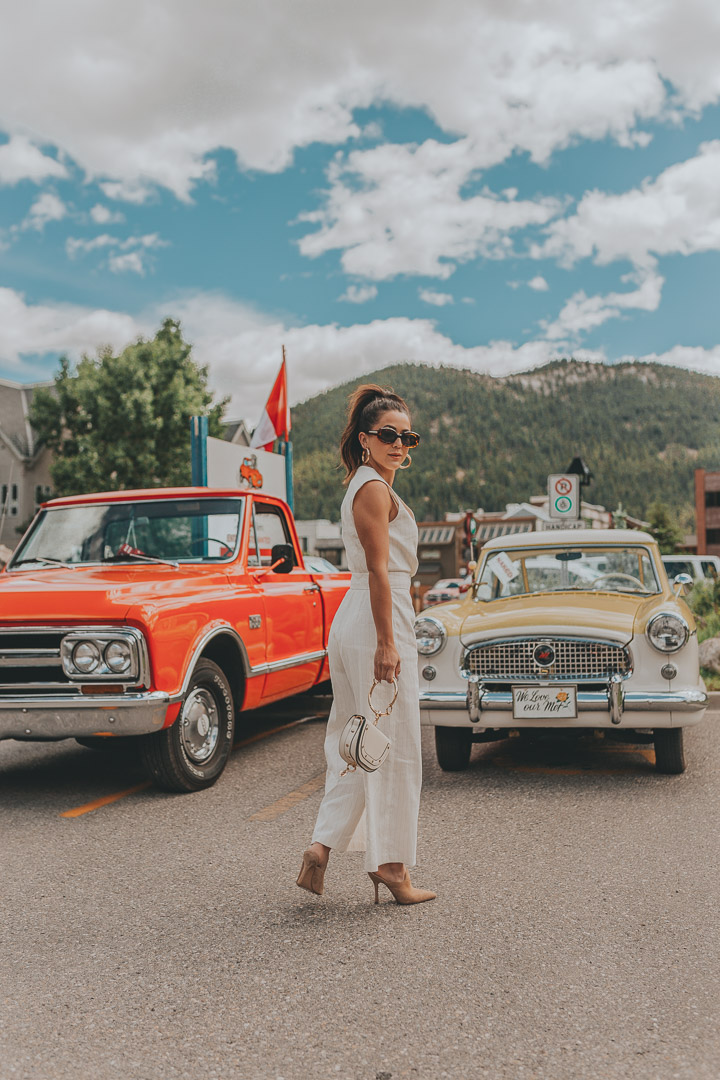
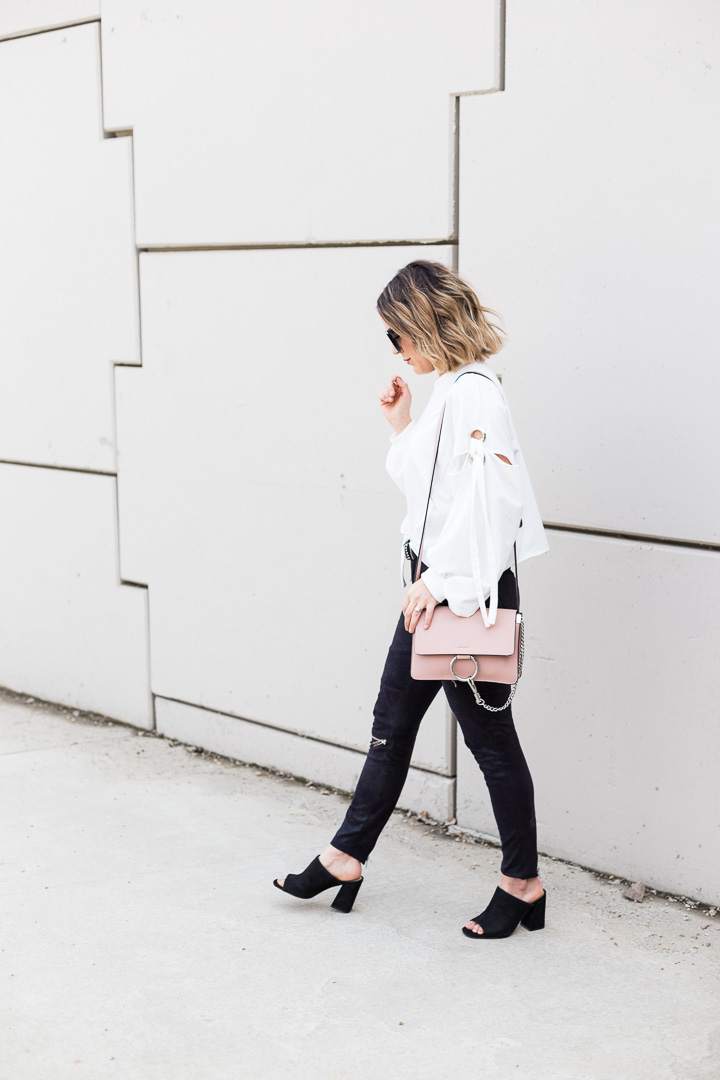
When I want a bit of height without sacrificing comfort, a block heel mule is my go-to. Forget stilettos; they’re impractical for most of my life. A block heel, ideally 1.5 to 2.5 inches, offers stability and makes your legs look longer without the pain. My current favorite is the Steve Madden Kimmie Mule. It’s usually around $80-$100 and comes in various materials, though I always gravitate towards leather or suede for durability. I’ve found that a slightly wider block heel, say 1.5 inches in diameter, provides the best balance. Anything thinner just feels wobbly. This style pairs beautifully with dresses and tailored pants, bridging the gap between casual and dressy.
The Elevated Suede Mule
For those moments when I want to feel a little luxurious, a high-quality suede mule is my choice. These are not for rainy days, obviously, but for adding a touch of texture and softness to an outfit. The Stuart Weitzman Goldie Flat Mule is a dream, though it comes with a significantly higher price tag, typically around $350-$400. The suede is incredibly supple, and the craftsmanship is noticeable. For a more budget-friendly option, I’ve had good luck with the Franco Sarto Balin Mule, which often features beautiful suede finishes for under $100. The rich texture of suede makes any outfit feel more expensive, even if you’re just wearing simple basics.
Achieving Effortless Elegance: My Go-To Outfit Pairings
This is where the magic happens. Mules, when paired correctly, have this incredible ability to make an outfit look thoughtfully put together yet completely unforced. It’s all about balance and proportion. Here are the combinations I rely on again and again.
-
Denim & Dressy Tops
This is my bread and butter. I love taking a classic pair of straight-leg or wide-leg jeans – my Everlane Way-High Jean in a dark wash is perfect – and pairing them with a silk blouse or a structured knit top. Then, I slip on my flat leather mules, like the Sam Edelman Loraines. The exposed ankle and the sleekness of the mule elevate the casual denim, making the whole look feel sophisticated enough for a casual Friday at the office or a nice brunch. The key is to ensure the hem of your jeans hits right at or slightly above the ankle bone, allowing the mule to be fully visible without the fabric bunching.
-
Tailored Trousers & Blazers
For a more polished, professional look that still feels relaxed, I reach for tailored trousers. Think pleated wide-leg pants or cigarette pants that skim the ankle. I often pair these with a crisp button-down shirt or a simple cashmere sweater, topped with a well-fitting blazer. My go-to is often the J.Crew Parke Blazer. With this ensemble, a block heel mule works wonders. The slight lift adds a touch of formality and elongates the leg line, making the entire outfit look sharp without being overly stiff. It’s my secret weapon for looking put-together when I have meetings but don’t want to wear heels all day.
-
Midi Skirts & Flowy Dresses
Mules shine with midi-length garments. A flowy midi skirt, like the J.Crew Drapey Crepe Pleated Midi Skirt, or a relaxed fit midi dress creates a beautiful silhouette with mules. The length of the garment allows the mule to be a focal point without cutting off the leg line awkwardly. I typically opt for flat mules or low block heel mules here. Avoid anything too chunky that might feel heavy against the light fabric of the dress or skirt. The open back of the mule keeps the look airy and feminine, perfect for warmer weather or a sophisticated evening out.
Don’t Buy These Mules: My Hard-Earned Lesson
Seriously, just don’t. I’ve bought them. I’ve regretted them. Avoid any mules made from cheap, stiff synthetic materials that claim to be “leather-like.” They won’t break in, they’ll chafe your feet, and they’ll look sad and worn after a single season. Save your money and invest in quality leather or suede instead.
Mastering the Art of Walking in Mules (Without Tripping)
This is probably the biggest hurdle for people who are new to mules. The dreaded slip-and-slide. It’s a real problem if you don’t address it, making you look awkward and feeling insecure. I’ve seen people give up on mules entirely because they just can’t keep them on. But there’s a trick to it, and it’s not just about finding the right size.
The Heel-to-Toe Roll Technique
Walking in mules isn’t like walking in sneakers. You can’t just slap your foot down. The key is to engage your toes just a little more. When you step, aim for a gentle heel strike, then roll your foot through to your toes, slightly gripping the shoe with your toes. It’s a subtle, almost unconscious movement, but it helps keep the mule securely under your foot. I practice this at home, just walking around the house for 10-15 minutes when I get a new pair. It helps build that muscle memory. Think of it less as a stride and more as a controlled glide.
The Importance of a Secure Arch Fit
Beyond length, the arch support and instep fit of a mule are . If there’s too much gaping space between your instep and the top of the shoe, it will inevitably slip. Look for mules that hug your foot comfortably without pinching. For those with particularly narrow feet, some brands offer adjustable straps or slightly higher vamp designs that provide more security. For example, some Vince Camuto mules often have a slightly higher, more structured upper that I find helps keep my foot in place better than very open designs.
Practicing at Home: My Secret Weapon
This sounds silly, but it works. Before I wear any new pair of mules out, I wear them around the house for a few hours. I do chores, I walk up and down the stairs, I stand in them while cooking. This isn’t just to break them in; it’s to break *me* in. It allows me to get used to the weight, the balance, and the specific way that particular pair feels on my foot. This practice helps me develop that natural heel-to-toe roll without even thinking about it. If they still feel clunky or uncomfortable after a few hours of home wear, they’re not keepers, no matter how cute they are.
Your Mules Questions, Answered
Can I wear mules with socks?
Generally, no. A bare ankle is part of the mule’s charm. However, there are exceptions. If you’re wearing a very fashion-forward, chunky mule, a thin, patterned sock or a sheer sock can be a deliberate style choice. Think of it as an intentional layering, not a necessity. For classic leather or suede mules, definitely go sockless. If your feet get sweaty, invest in some invisible, no-show liners – my favorite are from Hue or Bombas. They offer protection without ruining the aesthetic.
How do I keep mules from slipping off?
Beyond proper sizing and the walking technique I mentioned earlier, a few small hacks can help. First, invest in good quality, non-slip sole pads if your mules have a very slick bottom. Second, for mules that are just a tiny bit loose, stick-on heel grips (yes, for the front of the shoe!) or ball-of-foot cushions can take up just enough space to create a more secure fit. I often use the Dr. Scholl’s DreamWalk Ball of Foot Cushions for this purpose. They’re discreet and effective.
Are mules appropriate for formal events?
It depends on the mule and the event. A sleek, pointed-toe mule with a delicate heel in a luxurious material like silk or fine leather can absolutely work for a semi-formal event or a cocktail party. Think a Manolo Blahnik Maysale or a Gucci Princetown. However, for black-tie affairs or very traditional formal events, a closed-toe pump or an elegant strappy sandal is usually more appropriate. Avoid anything chunky, flat, or casual for formal settings. When in doubt, err on the side of caution and choose a more traditional formal shoe.
So, next time you pull on a pair of mules and feel that familiar awkwardness, remember those early days for me. It’s not an impossible shoe to style. It’s about understanding the fit, choosing the right style, and knowing how to walk in them. Once you get it, they’ll be your favorite go-to, just like they are mine.