Many believe that a truly impressive wristwatch requires a five-figure investment, or at the very least, a budget well north of $5,000. This is a common misconception, particularly when exploring the landscape of men’s watches in 2026. The reality is that the sub-$2,000 category is not merely a collection of “entry-level” or “budget” timepieces; it is a vibrant, competitive arena where exceptional craftsmanship, innovative engineering, and timeless design converge. Here, you discover watches that aren’t just good for the price, but genuinely excellent timekeeping instruments that stand on their own merits, capable of holding their own against far pricier counterparts in terms of aesthetics, durability, and mechanical integrity. This segment represents arguably the sweet spot for value, offering a tangible step up in quality and heritage from mass-market fashion watches without demanding the premium associated with luxury branding.
The $2000 Watch Misconception: A Deep Dive into Value
The idea that anything under $2000 in the watch world is inherently compromised is severely outdated. Technological advancements, fierce competition, and a globalized supply chain mean that brands, both established and emerging, are delivering unprecedented value. You’re not settling; you’re often getting a robust, reliable, and aesthetically pleasing watch that utilizes movements and materials once reserved for watches double or triple the price. This price bracket is rich with options featuring genuine mechanical movements, sapphire crystals, solid link bracelets, and impressive water resistance. The focus here shifts from pure prestige to tangible quality and thoughtful design, making it a highly rewarding segment for discerning buyers.
Beyond ‘Entry-Level’: What Materials and Movements to Expect
At this price point, you can confidently expect materials like sapphire crystal as standard, offering superior scratch resistance over mineral glass. Cases and bracelets are typically constructed from 316L stainless steel, often with refined finishing like brushing and polishing. Luminescence for low-light visibility is usually present and effective. The heart of these watches, the movement, is where significant value lies. You’ll find a strong prevalence of reliable automatic mechanical movements from manufacturers like ETA (e.g., the Powermatic 80) and Sellita from Switzerland, and Seiko’s workhorse movements (e.g., 4RXX, 6RXX) from Japan. These aren’t simple, undecorated movements; many feature respectable power reserves (often 40-80 hours) and acceptable accuracy for daily wear.
Swiss vs. Japanese: Debunking the Quality Myth
There’s a lingering perception that Swiss means superior, and Japanese implies ‘good for the price.’ This is a myth. While Swiss brands often lean into their historical pedigree and tradition, Japanese manufacturers like Seiko and Citizen have perfected mass-produced, highly reliable, and innovative movements that often set benchmarks for durability and value. A Seiko Prospex diver, for instance, offers robust construction and a highly capable movement that can go head-to-head with Swiss counterparts. Conversely, Swiss brands like Tissot and Hamilton have mastered delivering heritage and precision at accessible prices, often sharing movements across their product lines to achieve economies of scale. The real distinction often comes down to aesthetic preferences and brand history, rather than a definitive quality gap.
The Investment Question: Does Value Appreciate?
For the vast majority of watches under $2000, appreciation in value is not the primary driver for purchase. These are tools and accessories meant to be worn and enjoyed. While some limited editions or highly sought-after models from brands like Seiko might hold their value well or even see a modest increase, buying a watch in this price range as a financial investment is misguided. The value proposition lies in the craftsmanship, the joy of ownership, and the utility it provides over years of wear. Focus on the watch’s intrinsic qualities and how it fits your lifestyle, not its potential resale value.
Identifying Your Ideal Watch: A Buyer’s Framework
- Determine Your Primary Use Case: Before considering any specific model, establish what the watch’s main purpose will be. Will it be an everyday beater for casual wear? A tool watch for specific activities like diving or hiking? A refined piece for formal occasions? Or a versatile all-rounder? Each use case dictates different requirements for durability, water resistance, and aesthetic. For instance, a diver’s watch offers high water resistance and legibility, while a dress watch prioritizes slimness and understated elegance.
- Consider Case Size and Lug-to-Lug: The physical dimensions of a watch are crucial for comfort and how it looks on your wrist. Case diameter is the most commonly cited metric, with 38-42mm being a versatile range for most men. However, the lug-to-lug distance (the measurement from the top lug to the bottom lug) is arguably more important, as it determines how much of your wrist the watch truly occupies. A watch with a long lug-to-lug might overhang a smaller wrist, even if its diameter is modest. Measure your wrist circumference and width to understand what dimensions will sit comfortably and proportionately.
- Prioritize Movement Type: Automatic, Quartz, or Manual: Each movement type offers distinct advantages. Automatic mechanical watches are powered by the motion of your wrist, featuring intricate gears and springs. They offer a sense of tradition and craftsmanship, along with a sweeping second hand. Quartz watches, powered by a battery and a vibrating crystal, are typically more accurate, robust, and require less maintenance. Manual-wind watches, less common but appealing to purists, require daily winding. Decide whether the romanticism of a mechanical movement or the practicality and precision of quartz aligns better with your preferences and lifestyle.
The Unsung Hero: Why a Field Watch is Often Your Best Bet
For many men seeking a truly versatile, durable, and understated watch under $2000, the field watch is an absolute standout. It’s my bold opinion that a well-chosen field watch offers more everyday utility and enduring style than almost any other category at this price point. These watches, born from military necessity, are designed for legibility, robustness, and simplicity. They lack the overt flash of a diver or the delicate nature of a dress watch, instead offering a rugged elegance that pairs effortlessly with jeans and a t-shirt, yet can also look surprisingly sharp under a sport coat. If you’re looking for one watch that can do almost anything, a field watch should be at the top of your list.
Durability and Legibility: Built for Purpose
Field watches are engineered to be tough. Their design prioritizes clear, unambiguous time-telling in challenging conditions. This translates to large, often luminous Arabic numerals, a contrasting dial (typically black or dark green with white indices), and robust cases that can withstand knocks and bumps. Water resistance is usually sufficient for daily wear, often 50-100m, meaning they can handle rain, splashes, and even a quick dip. The simplicity of their design also means fewer points of failure, contributing to their overall resilience. Brands like Hamilton have honed the field watch aesthetic over decades, creating iconic and trustworthy designs.
Versatility Across Occasions
This is where the field watch truly shines. Its no-nonsense, functional aesthetic allows it to transcend typical style boundaries. On a canvas or NATO strap, it’s the perfect companion for outdoor adventures, casual weekends, or a day at the office in business casual attire. Swap it for a leather strap, and it can elevate a blazer or even a less formal suit, adding a touch of rugged sophistication. Unlike a dedicated diver or dress watch which might feel out of place in certain settings, a quality field watch always seems appropriate, making it an incredibly practical choice for a limited watch collection.
Top Field Watch Contenders in 2026
While many brands produce field watches, two excellent options that consistently deliver within the sub-$2000 budget are the Hamilton Khaki Field Automatic and the Tissot PRX Powermatic 80 (while technically a sports watch, its integrated bracelet and robust build offer similar versatility). The Hamilton Khaki Field, available in various sizes (e.g., 38mm, 42mm), is powered by Hamilton’s H-10 movement, which boasts an impressive 80-hour power reserve. Its classic dial layout and brushed steel case are timeless. The Tissot PRX Powermatic 80, with its distinctive integrated bracelet and waffle dial, offers a sportier take on everyday wear, also featuring an 80-hour power reserve and a highly respected Swiss automatic movement, often found around the $700-$800 mark.
Premier Automatic Divers: A Side-by-Side Comparison

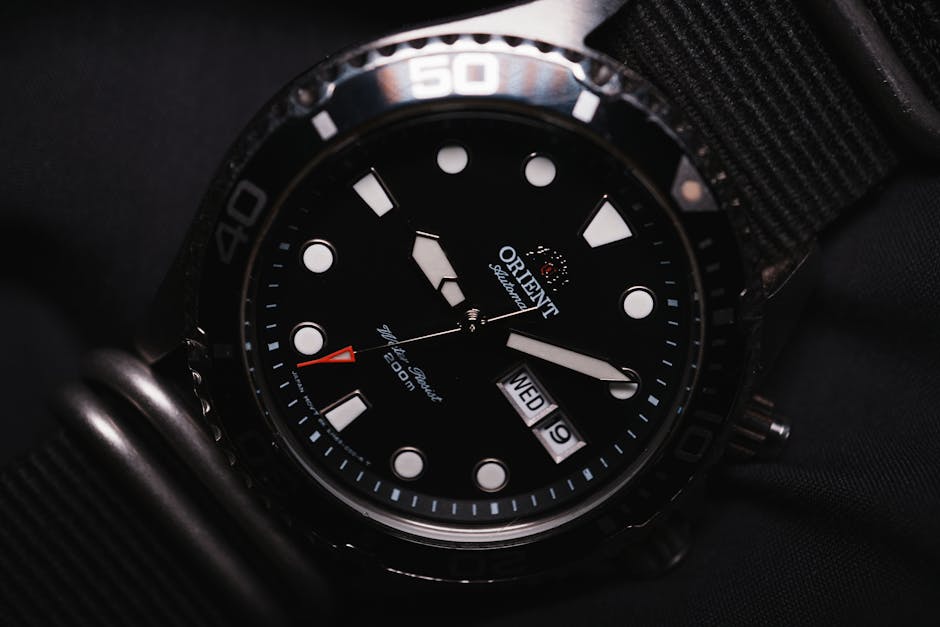
Diver’s watches remain one of the most popular categories, and for good reason. They combine robust construction, high water resistance, and a distinctive aesthetic that has moved beyond pure utility into mainstream fashion. The sub-$2000 segment offers some truly exceptional choices that are ISO-certified for diving, or at least offer equivalent real-world performance. Here’s a look at three top automatic diver options that deliver incredible value and performance in 2026.
| Watch Model | Movement | Case Size | Water Resistance | Crystal | Key Feature | Approx. Price (2026) |
|---|---|---|---|---|---|---|
| Seiko Prospex SPB143 | Seiko 6R35 (Automatic) | 40.5mm | 200m | Sapphire | Slim profile, excellent finishing | $1,200 |
| Certina DS Action Diver | ETA Powermatic 80.611 (Automatic) | 43mm | 300m | Sapphire | ISO 6425 certified, ‘DS’ double security concept | $900 |
| Mido Ocean Star 200C | ETA Powermatic 80.621 (Automatic) | 42.5mm | 200m | Sapphire | Ceramic bezel, integrated bracelet look | $1,050 |
Seiko Prospex SPB143: The Modern Classic
The Seiko Prospex SPB143 is often considered a spiritual successor to Seiko’s legendary 62MAS diver from 1965. It features a beautifully sculpted 40.5mm case that wears incredibly well on a variety of wrist sizes, avoiding the bulkiness sometimes associated with dive watches. Powered by the reliable Seiko 6R35 movement, it offers a substantial 70-hour power reserve. Its brushed and polished surfaces are executed with a precision often seen in much more expensive watches, and the charcoal gray dial with subtle sunburst effect is simply stunning. This is a diver that transitions effortlessly from underwater adventures to smart casual settings.
Certina DS Action Diver: Robust Swiss Engineering
The Certina DS Action Diver is a serious tool watch that doesn’t compromise on style. Available in multiple sizes, the 43mm version offers a substantial wrist presence, boasting a genuine ISO 6425 diver’s certification. This means it has undergone rigorous testing to meet professional diving standards, including resistance to magnetism, shock, and thermal changes. Its Powermatic 80 movement provides 80 hours of power reserve, and the Certina ‘DS’ (Double Security) concept ensures exceptional robustness. The brushed stainless steel case and bracelet, combined with a clean, legible dial, make it a no-nonsense, highly capable companion for any water-based activity or daily wear.
Mido Ocean Star 200C: A Value Proposition
Mido, often overlooked, consistently offers exceptional value, and the Ocean Star 200C is a prime example. This watch distinguishes itself with a full ceramic bezel insert, a feature typically found on watches costing significantly more. Ceramic is highly scratch-resistant and maintains its pristine appearance over time. The 42.5mm case houses the Powermatic 80 movement, providing 80 hours of power. The dial features a distinctive wave pattern, adding texture and visual interest. With its robust build, capable movement, and premium ceramic bezel, the Ocean Star 200C punches well above its weight class in terms of perceived value and overall quality.
Common Questions Before You Buy
How Often Should an Automatic Watch Be Serviced?
While many factors influence service intervals, including the specific movement, usage patterns, and environmental conditions, a general guideline for modern automatic watches under $2000 is every 5-7 years. Some manufacturers might suggest longer intervals for their newer movements, such as the Powermatic 80, which are designed for lower friction. Regular servicing ensures the lubrication remains effective, and worn components are replaced, maintaining the watch’s accuracy and longevity. Skipping services can lead to increased friction and wear, ultimately causing more expensive repairs down the line.
Is Water Resistance Really 100m if I Don’t Dive?
Yes, but it’s crucial to understand the ratings. A 100m water resistance rating means the watch can theoretically withstand static pressure equivalent to 100 meters of depth. However, this doesn’t mean it’s safe for dynamic activities at that depth. For swimming and snorkeling, 100m is generally sufficient. For casual showers, rain, and hand washing, it’s more than adequate. For serious diving, you’ll want a minimum of 200m, ideally 300m, and often an ISO 6425 certification, as seen in many dedicated diver’s watches. The key is to avoid hot tubs or saunas, as rapid temperature changes can compromise seals, regardless of the depth rating.
What’s the Difference Between Sapphire and Mineral Crystal?
The crystal is the transparent cover protecting the watch dial. The main difference lies in their hardness and scratch resistance. Sapphire crystal is synthetically produced sapphire, which is extremely hard (scoring 9 on the Mohs scale, second only to diamond). This makes it highly resistant to scratches from everyday contact with metals, keys, or walls. Mineral crystal, on the other hand, is a hardened glass. While more scratch-resistant than standard glass, it is still significantly softer than sapphire (Mohs 5-6) and is more prone to showing scratches over time. Sapphire is a premium feature that significantly enhances a watch’s durability and long-term aesthetic appeal, and it’s a feature you should expect and look for in the sub-$2000 price range.
The Elegance Equation: Dress Watches That Don’t Break the Bank
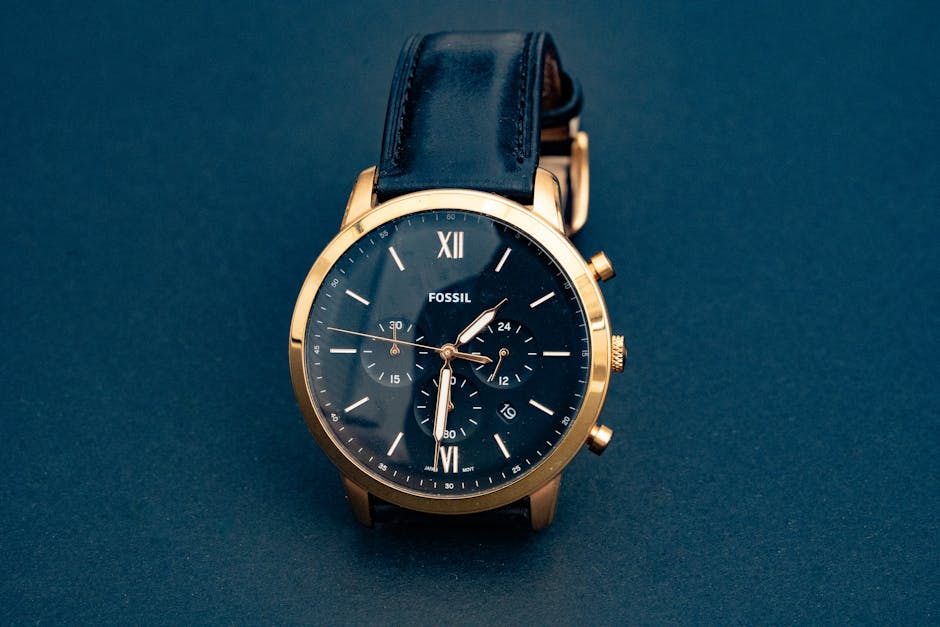
A dress watch serves a distinct purpose: to complement formal or business attire with understated elegance. Unlike the robust tool watches, a dress watch prioritizes slimness, simplicity, and refined aesthetics. It should slide effortlessly under a shirt cuff and offer a clean, legible dial free from excessive complications or bold lume. While the upper echelons of dress watch collecting can involve significant sums, the sub-$2000 category provides excellent options that uphold the traditional tenets of the genre without requiring a second mortgage. These pieces prove that sophistication is not solely tied to exorbitant price tags; rather, it’s about thoughtful design and execution.
Key Characteristics of a Refined Dress Watch
A classic dress watch typically features a relatively thin case, often 10mm or less, to ensure it slips under a cuff without snagging. The dial is usually clean and uncluttered, often with simple stick indices or elegant Roman numerals. A small seconds sub-dial or a date window (discreetly placed) might be present, but complications like chronographs are rare. The case material is almost always stainless steel at this price point, often highly polished. The watch is usually presented on a leather strap, which enhances its formal appeal. While some modern interpretations might push the boundaries with slightly larger sizes, the core principles of restraint and elegance remain paramount.
Tissot Le Locle Powermatic 80: Swiss Sophistication
The Tissot Le Locle Powermatic 80 is a quintessential Swiss dress watch that offers tremendous value. Named after Tissot’s home in the Jura Mountains, this watch embodies classic design with its guilloché pattern dial, Roman numerals, and elegant leaf hands. Its 39.3mm case size is perfectly proportioned for a dress watch, ensuring it remains subtle and refined. The Powermatic 80 automatic movement, visible through an exhibition case back, provides an impressive 80 hours of power reserve, meaning you can take it off for a weekend and it will still be running when Monday arrives. This watch epitomizes the blend of heritage and modern reliability that Tissot excels at, typically found around the $500-$700 mark.
Seiko Presage ‘Cocktail Time’ Series: Japanese Artistry
Seiko’s Presage ‘Cocktail Time’ series has become legendary for bringing high-level dial artistry to an incredibly accessible price point. Inspired by various cocktails, each model in the series features a unique, often mesmerizing sunburst or textured dial that plays with light in captivating ways. Models like the SRPE43J1 ‘Mojito’ or the SRPB41 ‘Blue Moon’ showcase an intricate level of detail and finish that rivals watches many times their price. Powered by Seiko’s reliable 4R35 automatic movement (with a 41-hour power reserve), these watches are typically around 38-40mm, making them ideal for a dressier aesthetic. Paired with a leather strap, a Presage Cocktail Time offers a distinct and sophisticated flair, usually available for $400-$600.
The Verdict: Your Best Options Under $2000
The sub-$2000 watch market in 2026 is far from a compromise; it’s a testament to incredible engineering and design prowess across both Swiss and Japanese manufacturers. You can absolutely acquire a watch of substantial quality, heritage, and style that will provide years of reliable service and enjoyment. The common misconception that serious horology starts at a much higher price point is definitively dispelled by the sheer depth of exceptional options available. Your choice depends heavily on your specific needs, but the value is undeniable.
- For the ultimate all-rounder and daily wear: A Hamilton Khaki Field Automatic delivers unparalleled versatility, durability, and classic design.
- For a robust and capable diver: The Certina DS Action Diver offers professional-grade performance with an ISO certification and excellent build quality.
- For refined elegance that punches above its weight: The Tissot Le Locle Powermatic 80 embodies classic dress watch aesthetics with a modern movement.
- For an outstanding blend of value and unique dial artistry: A Seiko Presage ‘Cocktail Time’ offers captivating aesthetics without breaking the bank.
- For a premium dive watch feel with a ceramic bezel: The Mido Ocean Star 200C provides luxury features at an accessible price.