A smaller wardrobe works, but not for the reason people think
The common misconception is that a 20-piece wardrobe means wearing the same dull outfit every day. It does not. The real change is that every item has to earn its place, and most impulse purchases cannot survive that test.
The real problem was not having too many clothes
My old wardrobe failed because the pieces did not work together. I had bright trend items, awkward jeans, cheap knitwear that lost its shape, and several outfits reserved for imaginary occasions. The closet looked full, yet getting dressed still took 20 minutes.
My verdict after the switch
The 20-piece wardrobe is worth it if you want faster mornings, fewer poor purchases, and a clearer personal style. It is not worth it if you treat the number as a strict rule. Twenty useful pieces beat twenty random pieces, but twenty-two useful pieces beat an uncomfortable system.
What belongs in a 20-piece wardrobe?
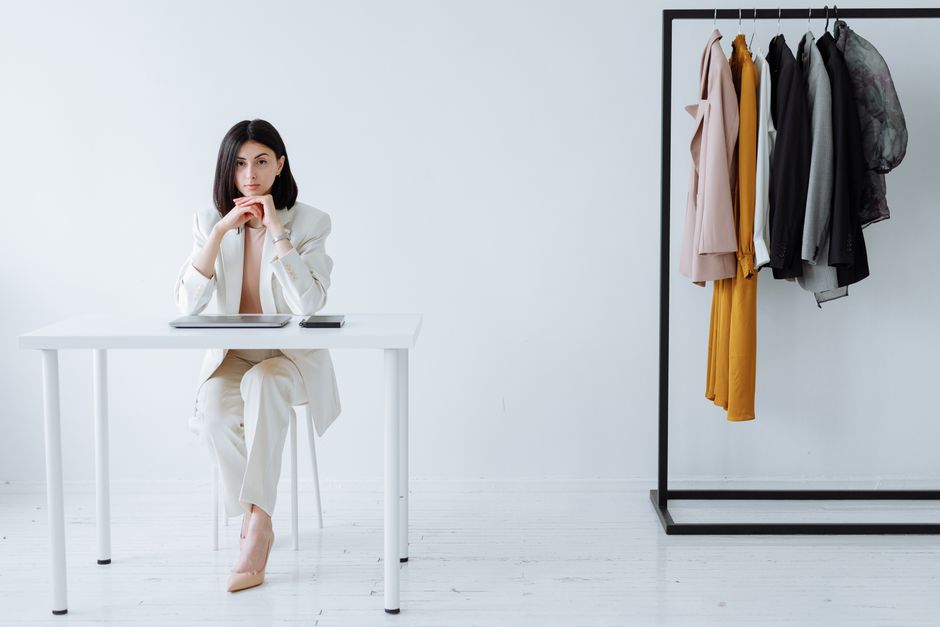
A workable wardrobe needs coverage before it needs minimalism. I counted clothing categories rather than forcing every item into a neat capsule formula. Underwear, sleepwear, gym clothes, coats for extreme weather, and accessories stayed outside the main count.
The 20-piece breakdown I used
| Category | Pieces | Reason |
|---|---|---|
| T-shirts and tops | 5 | Daily base layers with different necklines |
| Shirts and blouses | 3 | Work and polished casual outfits |
| Sweaters and cardigans | 3 | Warmth without bulky duplication |
| Jeans and trousers | 4 | Different levels of comfort and formality |
| Skirts and dresses | 2 | Non-trouser options |
| Blazers and light jackets | 3 | Structure and seasonal layering |
The pieces that carried the most outfits
A plain white top, dark straight-leg jeans, a black trouser, a fine-gauge sweater, and one fitted jacket did most of the work. The Uniqlo Supima Cotton T-Shirt, usually around $25, became a reliable base because it was easy to wash and did not look flimsy under a jacket. The Levi’s 501 Original Jeans, listed around $98 at full price, supplied a second texture and a more relaxed shape.
Where the money actually went
This experiment did not prove that expensive clothes are automatically better. It proved that repeat wear makes quality easier to judge. A $25 T-shirt worn twice is cheap. A $25 T-shirt worn 35 times before losing its shape is a strong purchase. Price only makes sense beside use.
The cost-per-wear test
I scored each item after eight weeks using three questions: did I reach for it without planning, did it survive washing, and did it work with at least four other pieces? A COS merino wool crew-neck sweater, priced near $150, passed because it handled office days, travel, and cold evenings without looking too casual. Its cost per wear dropped below $3 after repeated use.
By contrast, a $40 trend blouse that worked with one pair of trousers stayed expensive. It was not poorly made. It was poorly connected to the rest of the wardrobe.
Why replacing cheap clothes can cost less
Fast fashion feels economical because the first payment is small. The full cost appears later: duplicate purchases, failed washes, tailoring, and clothes that sit unworn. My first reset cost more than a normal shopping month because I replaced weak basics at once. After that, spending fell sharply. I stopped buying a new version of a problem I had already identified.
The best purchase in the group was not the most luxurious one. It was the Everlane Way-High Jean, around $98, because its high rise and straight leg worked with tucked tops, oversized knits, and short jackets. Fit created more value than a fancy label.
Six mistakes that made the first version fail
A 20-piece wardrobe can become another form of shopping pressure. The first version went wrong because I copied a minimalist checklist instead of studying my actual week.
Use this order before removing anything
- Track seven days of outfits. Write down what you wear, not what you wish you wore.
- Remove items that pinch, itch, gap, shed, or need constant fixing.
- Keep one clear option for each regular setting: work, errands, social plans, and bad weather.
- Choose a color base before adding accent colors. Two neutrals and two supporting shades are enough.
- Check every possible purchase against at least five existing outfits.
- Wait 72 hours before buying anything that was not on your list.
What I would never repeat
I would not discard half a wardrobe in one dramatic afternoon. That creates panic, waste, and rushed replacements. I would also avoid buying five versions of the same basic before testing one. If a white tee twists after washing or a trouser wrinkles after ten minutes, more copies only multiply the mistake.
Questions I still had after going minimal
Can a 20-piece wardrobe handle changing seasons?
Yes, if the count covers the current season rather than pretending one set of clothes works in every climate. I rotate heavier knits and jackets when temperatures change. The important part is storing the off-season pieces where they cannot compete with daily options.
What if I need formal clothes?
Build around real events, not fear of events. One dark dress, one tailored jacket, and one polished shoe can cover interviews, dinners, and ceremonies. If your job requires suits every day, your version may need more than 20 pieces. That is a wardrobe fact, not a failure of discipline.
Is repeating outfits embarrassing?
Only when the clothes are uncomfortable or badly maintained. People notice poor fit, stains, and wrinkled fabric far sooner than they notice repetition. Repeating a good outfit is a style advantage because you know it works. The mistake is repeating something you tolerate rather than something you like.
Who should try this wardrobe experiment?

Try a 20-piece wardrobe if your closet is crowded but your outfits feel limited. It works especially well for people with predictable routines, a small living space, or a strong preference for getting dressed quickly. The system exposes weak purchases fast, which is useful if you are ready to be honest about them.
Who should skip the strict number
Skip the fixed count if your work, climate, hobbies, or cultural events require very different clothing. A nurse, outdoor worker, performer, or person living through four sharp seasons may need a larger rotation. The goal is not to win a decluttering contest. The goal is to own clothes that match your life.
The honest result
I started with a wardrobe full of options and still felt underdressed. I ended with 20 main pieces and more outfit combinations because the clothes finally supported one another. Fast fashion was not the only problem; mindless buying was. The smaller wardrobe worked because it replaced constant choice with clear standards, and that is what I was looking for from the beginning.