A $150 ankle boot can still fail in one puddle if its seams are not sealed, while a $50 rain boot may keep your feet dry but make a polished outfit look ready for a garden center. Transitional weather exposes that gap fast: mornings are cold, afternoons are mild, and the sidewalk can shift from dry to slick before lunch. The right pair needs a useful mix of weather protection, traction, comfort, and a shape that works with more than one outfit.
Why Transitional Weather Needs a Different Boot
Rain protection is only half the job
Spring and fall are not deep-winter conditions. You usually need protection from rain, damp pavement, wind, and a little mud, but a heavily insulated boot can make your feet sweat once the temperature rises. A good transitional boot uses a waterproof upper or sealed rubber shell, a breathable lining, and enough room for a medium-weight sock. The goal is dry feet without the bulky feel of snow footwear.
Traction matters more than a dramatic lug sole
Look for a rubber outsole with visible channels and a heel that contacts the ground evenly. Very deep lugs can catch dirt, but they can also make a sleek outfit feel heavy. A low platform or flat heel is the most reliable choice for commuting because it reduces ankle wobble on wet crossings. Verdict: choose weather protection and stable traction first; insulation and visual drama come second.
Waterproof or Water-Resistant: Which One Should You Buy?

Read the material claim closely
Waterproof usually means the brand built the boot to block water through the upper and construction. Water-resistant normally means the material can handle light moisture for a limited time. Neither claim tells you how well the boot protects the opening around your ankle, so check the shaft height and whether water can enter through elastic panels, a zipper, or loose seams.
| Boot feature | What it protects against | Best use |
|---|---|---|
| Sealed rubber or waterproof membrane | Rain, puddles, wet grass | Daily wet-weather commuting |
| Treated leather or suede | Light drizzle and brief exposure | Office outfits and dry forecasts |
| Insulated lining | Cold air and low temperatures | Chilly mornings, not warm afternoons |
| Chevron or channelled rubber sole | Slick pavement and compact mud | Walking in changing conditions |
Do not confuse warmth with versatility
A fleece-lined boot can feel excellent at 40 degrees but uncomfortable at 60. For most transitional wardrobes, a removable insole and a medium lining beat permanent insulation. Verdict: buy fully waterproof construction for frequent rain; buy treated leather only when style matters more than standing in puddles.
How to Check the Fit Before Wearing Ankle Boots Outside
Use a three-minute fitting test
- Try the boots on with the socks you will actually wear. Thin hosiery and thick wool socks create very different fits.
- Stand up and press your heel back. You should have roughly a thumb-width of space in front of the longest toe.
- Walk down a hard floor. Your heel may lift slightly, but your foot should not slide forward when you stop.
- Bend your ankle. The top edge should not dig into the tendon or pinch the front of your leg.
- Check both feet. One foot is often larger, so fit the larger foot and use a thin insole if the other feels loose.
Match the shaft to your clothes
A shaft that ends at the widest part of your ankle can make cropped trousers look awkward. Try the boots with straight-leg jeans, wide-leg trousers, and a skirt before removing the tags. If the hem catches on the boot collar, choose a slightly taller shaft or a smoother upper. Verdict: a comfortable boot that works with three existing outfits is a better purchase than a striking pair that only suits one hemline.
The Five Ankle Boots That Earn a Place Under $150

Best picks by weather, outfit, and walking needs
These prices reflect US listings checked in 2026. Sale and clearance prices can change by color and size, so treat the listed amount as a buying target rather than a permanent promise.
| Boot | Listed price | Useful details | Best for |
|---|---|---|---|
| Hunter Women’s Wales Waterproof Rain Booties | $85 | 6.69-inch shaft, waterproof matte finish, cushioned footbed | Clean city outfits in steady rain |
| BOGS Amanda II Chelsea | $65.97 sale | 100% waterproof textured rubber, plush lining, Chelsea shape | Comfortable everyday rain wear |
| SOREL Joan Rhapsody Waterproof Chelsea Boot | $53.97 clearance | Waterproof Chelsea profile, wedge shape, comparable value up to $150 | Adding height without a thin heel |
| MUCK Women’s Originals Ankle Boot | $110 | 6-inch upper, waterproof neoprene and rubber, memory-foam footbed | Mud, gardening, and cold wet walks |
| XTRATUF Women’s Ankle Deck Boot | $115 | 6-inch height, 11.69-inch shaft circumference, Chevron outsole, waterproof rubber | Maximum grip on slick ground |
My strongest value picks
The Hunter Wales is the best fashion-to-function choice because its matte finish and low profile look intentional with trousers or a midi skirt. The BOGS Amanda II wins for daily comfort at the lowest listed price. For messy ground, the MUCK Originals has the more practical lining and footbed. The XTRATUF is the traction specialist, but its deck-boot shape feels more casual. The SOREL Joan Rhapsody is the clear choice when you want a little lift.
Price discipline still matters
Paying in full keeps the purchase at 0% APR and a $0 financing fee. A checkout loan is a separate contract, so read the disclosed APR, return conditions, and late fees before accepting it. Bottom Line: the Hunter Wales is my overall winner, while the BOGS Amanda II is the smarter low-cost buy.
How to Style Waterproof Boots Without Looking Overdressed
Balance practical boots with softer pieces
Rubber boots look less utilitarian when the rest of the outfit has movement or texture. Wear black Hunter Wales boots with straight-leg denim, a fine knit, and a cropped trench. Pair the BOGS Amanda II with an ankle-length slip skirt and a loose cardigan so the Chelsea shape reads as part of the outfit rather than emergency rain gear. The SOREL Joan Rhapsody works with wide-leg trousers because its wedge gives the hem a little lift.
Use one color bridge
Repeat the boot color in a belt, bag, or thin stripe in the top. That small connection makes brown MUCK Originals feel deliberate with olive trousers or dark denim. Keep the rest of the palette quiet when the boot has a bright finish. Bottom Line: the Hunter is the easiest pair to dress up, but the SOREL gives the most fashion impact under the budget.
When You Should Not Buy These Ankle Boots
Skip a pair if the weather problem is different
- Do not buy a thin fashion boot for regular snow, deep slush, or sub-freezing commutes. Choose a taller insulated winter boot instead.
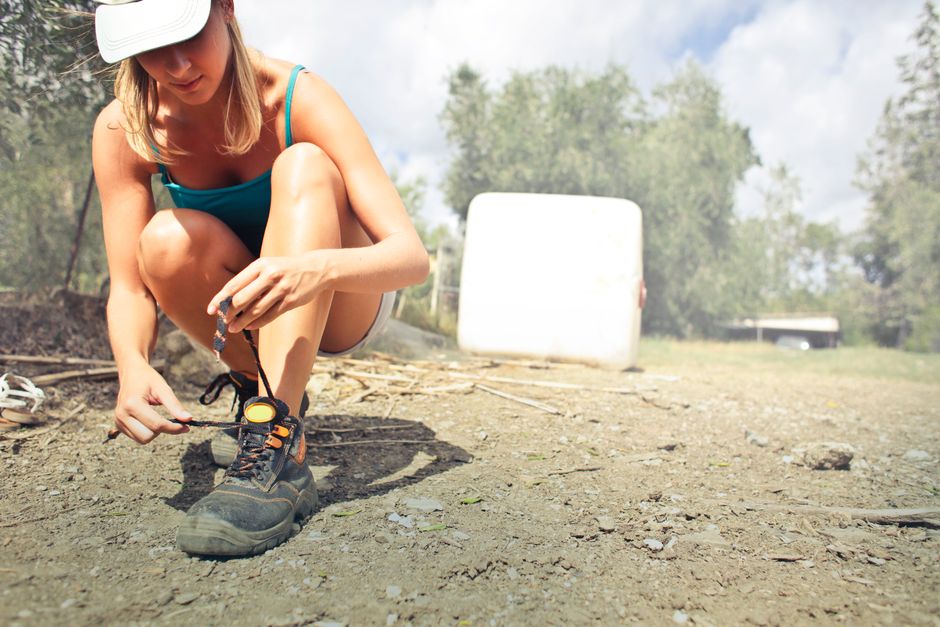
- Do not buy a rubber rain boot if you walk several miles on dry pavement every day. Rubber can feel stiff and less breathable than leather or textile footwear.
- Do not choose the XTRATUF for a formal office wardrobe. Its grip is excellent, but the deck-boot shape is visibly casual.
- Do not rely on a treated suede boot for standing water. Treatment slows absorption; it does not create a sealed shell.
Fix the common fit failures
If your heel slips, try a thicker sock or a slim heel grip before sizing down. If your toes feel cramped, sizing up may create too much heel movement, so look for a wider option instead. If the lining feels hot, reserve the pair for colder days rather than forcing it into a warm-weather rotation. Verdict: the right alternative is better than a cheap compromise. Buy a true winter boot for snow and a lightweight leather boot for mostly dry city wear.
Which Pair Should You Buy for 2026?
Which boot is best for most wardrobes?
Buy the Hunter Women’s Wales Waterproof Rain Booties if you want one pair for commuting, coffee runs, and rainy city days. At $85, the price leaves room for quality socks or a replacement insole, and the 6.69-inch shaft gives more splash protection than a shallow bootie. The black matte finish works with denim, trousers, skirts, and casual dresses.
Which boot wins for a specific problem?
Choose the BOGS Amanda II for affordable everyday rain comfort, the SOREL Joan Rhapsody for a wedge silhouette, the MUCK Originals for muddy cold conditions, and the XTRATUF for slick surfaces and hard wear. Those are different jobs, so the best choice is clear once the weather problem is clear. Bottom Line: Hunter is the best all-round fashion purchase, BOGS is the best value, and XTRATUF is the strongest grip-first option.
This is not financial advice. It is footwear buying guidance: check the final price, shipping charge, return fee, and any financing terms before paying.