Grip Comes From Rubber, Not Boot Weight
The common mistake is assuming a heavy hiking boot will grip better. It will not. Traction comes from the rubber compound, lug shape, lug depth, and how well the sole contacts the ground.
Rubber compound decides wet-rock traction
Hard rubber lasts longer on dry paths, pavement, and packed dirt. Softer rubber grips wet stone better, but it wears faster when you walk on sidewalks every day. Compounds such as Vibram Megagrip are built for wet and dry surfaces, which makes them a strong choice for mixed hikes. The rubber still needs a clean surface. Mud, oil, and compacted dust can make an excellent sole slide.
Lug shape matters more than lug depth
Deep, widely spaced lugs bite into mud because they push material away from the sole. They are less comfortable on pavement and can feel awkward on smooth rock. Smaller, flatter lugs create more contact on hard trails. A sharp heel brake helps on descents, while a broad forefoot pattern helps stop sideways slipping. For most hikers, a medium-depth lug pattern is the best balance. Look for roughly 4 to 5 millimeters of tread for mixed terrain. Choose deeper lugs only when mud, loose soil, or snow is a regular part of the route.
Clear verdict: The best hiking boots for grip use sticky rubber and a tread pattern suited to your main surface. Weight comes second.
Five Hiking Boots With Reliable Trail Traction
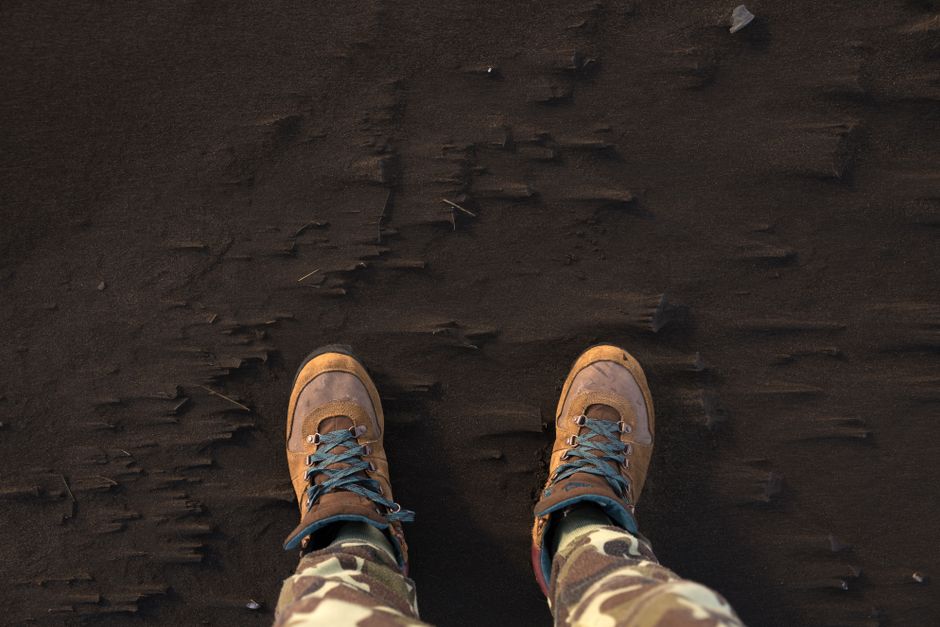
The table below separates useful grip from marketing language. Prices are typical list prices in the United States and can change with color, size, and seasonal sales.
| Boot | Sole or tread | Best surface | Typical price |
|---|---|---|---|
| Salomon X Ultra 4 Mid GTX | Contagrip MA, moderate lugs | Rock, gravel, wet paths | $165 |
| Merrell Moab 3 Mid Waterproof | Vibram TC5+ outsole, 5mm lugs | Mixed trails and packed dirt | $150 |
| Hoka Anacapa 2 Mid GTX | Vibram Megagrip, curved rocker sole | Hard trails and long walks | $200 |
| La Sportiva Spire GTX | FriXion rubber, aggressive tread | Rocky and technical terrain | $209 |
| Adidas Terrex Free Hiker 2 GTX | Continental rubber outsole | City-to-trail routes | $220 |
The best all-round choice
The Salomon X Ultra 4 Mid GTX is the safest pick for most hikers. Its Contagrip MA sole feels secure on loose gravel, wet roots, and ordinary rock without becoming too harsh on pavement. The mid-height collar adds ankle structure, but the boot still feels lighter than traditional leather hikers. Choose it for weekend trails, travel, and outfits that need a practical outdoor finish.
The best value pick
The Merrell Moab 3 Mid Waterproof wins on comfort per dollar. Its 5mm lugs work well on dirt, gravel, and moderate mud, while the wider fit suits people who dislike a narrow toe box. It is not the sharpest boot for steep rock, but it is the right buy for casual hikers who want dependable traction at around $150.
Match the Tread to Your Actual Trail
Do not buy a boot based on the most dramatic trail photo you have seen. Buy for the surface under your feet most often. A sole that works in deep mud can feel clumsy on a hard urban path, and a smooth hiking sneaker can fail on wet roots.
For wet rock and roots
Pick sticky rubber with closely packed lugs. The goal is steady contact, not maximum depth. Wet rock rewards a flexible forefoot and a sole that can press against small irregularities. Walk with shorter steps and keep your weight over the middle of the boot. A tall heel strike makes slipping more likely on descents.
For mud, loose dirt, and gravel
Choose lugs around 4 to 6mm deep with open channels between them. Those gaps let mud clear as the boot lifts. A defined heel brake helps you slow down on loose slopes. Avoid completely flat soles. They collect a layer of dirt and lose grip quickly.
For city-to-trail wear
Medium lugs are the smart answer. They roll more naturally on sidewalks and still hold on park paths. Look for a stable heel, firm sidewalls, and a sole that does not flex in the middle like a running shoe. Clean the tread after every muddy walk. Even the best rubber loses traction when the grooves are packed.
Best rule: Match the sole to 80 percent of your walking, not the hardest hike on your wish list.
Fit Can Make Good Traction Feel Bad
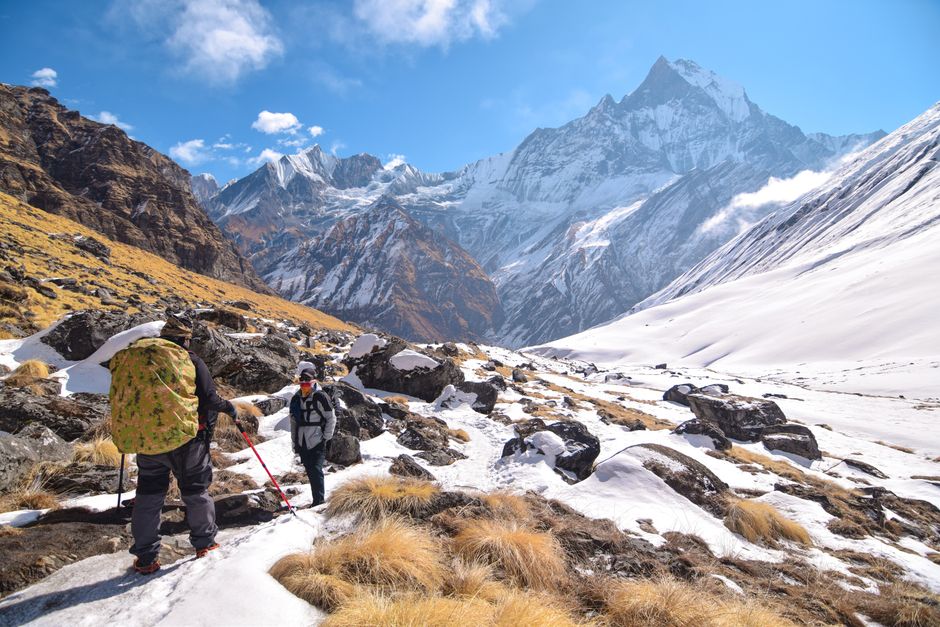
A boot cannot grip well if your foot moves inside it. Sliding inside the boot changes how the sole lands, strains your toes on descents, and makes every step less stable. This is why fit deserves as much attention as the outsole.
Leave room in front without letting the heel lift
Your longest toe should sit about a thumb-width from the front when standing. Test the fit late in the day, when feet are slightly larger, and wear the socks you plan to hike in. Walk downhill on an indoor surface. Your toes should not hit the front. At the same time, the heel should lift less than a few millimeters when you step up. Excess movement creates blisters and weakens control.
Choose width before waterproofing
A waterproof membrane cannot fix a cramped boot. The Merrell Moab 3 Mid Waterproof offers a roomier shape than the La Sportiva Spire GTX, which feels more precise but suits narrower feet. For wide feet, a comfortable fit with ordinary waterproofing beats a premium membrane that squeezes the forefoot. Tight boots also reduce natural balance because your toes cannot spread.
Do not confuse ankle height with ankle support
A taller collar may block debris and add confidence, but it cannot replace proper lacing. Lock the heel with a heel-lock lace pattern, then loosen the upper eyelets if your ankle feels pinched. The Hoka Anacapa 2 Mid GTX has a high, cushioned profile and a rocker shape that suits long walking days. It is less direct on technical rock than the La Sportiva Spire GTX. For comfort, Hoka wins. For precise edging, La Sportiva wins.
The strongest recommendation is simple: buy the boot that holds your heel, gives your toes space, and stays stable when you walk downhill.
Five Buying Mistakes That Destroy Traction
Most grip problems begin before the first hike. Avoid these mistakes and your outsole will perform closer to its real potential.
Mistake one: choosing the deepest lugs
- Deepest does not mean safest. Aggressive lugs can feel unstable on smooth rock and tiring on pavement. Choose medium lugs for mixed routes.
- Ignoring the rubber compound. A deep tread made from hard rubber may slide on wet stone. Read the outsole name and look for a compound built for wet surfaces.
- Buying a dirty display pair. Retail floors collect dust on rubber. Rub the sole with a clean finger and inspect the tread edges instead of judging by shine.
- Wearing new boots on a long hike. Break them in on short walks first. Pain changes your stride, and a changed stride makes slips more likely.
- Using worn-out tread. Replace the boots when the lug edges look rounded, the heel wears unevenly, or the grooves are less than about 2mm deep.
When not to buy hiking boots
Skip hiking boots for short, dry park walks if you prefer light sneakers. A trail-running shoe with a suitable outsole will feel faster and cooler. Also skip waterproof boots in hot climates when you rarely walk through rain. The membrane adds warmth and can slow drying after sweat soaks the lining.
Verdict: Buy more boot only when the terrain, weather, or pack weight actually demands it.
Which Boot Should You Buy for Grip?
What is the best choice for most hikers?
Choose the Salomon X Ultra 4 Mid GTX. Its Contagrip MA sole gives the strongest mix of wet-path grip, gravel control, light weight, and everyday wear. It is the best single pair for weekend hikes and travel.
What is best for mud or steep rocky trails?
For mud, choose a boot with open 5mm or deeper lugs. For steep rock, choose the La Sportiva Spire GTX. Its FriXion rubber and more aggressive tread give better edge control than the Merrell Moab 3, but the close fit and $209 price make it a specialist purchase.
What is best for comfort and casual style?
Pick the Hoka Anacapa 2 Mid GTX for long walking days, travel, and outfits built around technical outdoor clothing. Pick the Adidas Terrex Free Hiker 2 GTX when a sneaker-like look matters most and your route mixes sidewalks with easy trails. For one dependable pair, the Salomon X Ultra 4 Mid GTX is the clear winner: stable enough for real trails, comfortable enough for daily wear, and grippy without the weight of an old-fashioned hiking boot.