Twenty pieces gave me more than 60 workable outfits. That was the surprising result of curating my gender-neutral streetwear wardrobe. I expected to need more color, more shoes, and more trend pieces. Instead, I needed better proportions, fewer duplicates, and a sharper idea of what I would actually wear on an ordinary Tuesday.
The goal was not to make every item look neutral or erase personal identity. It was to build a wardrobe that did not force clothes into a menswear or womenswear box before I tried them on. Fit, fabric, movement, and styling mattered more than the label on the rack.
The best starting point is a small wardrobe with strong proportions
Build around four useful shapes
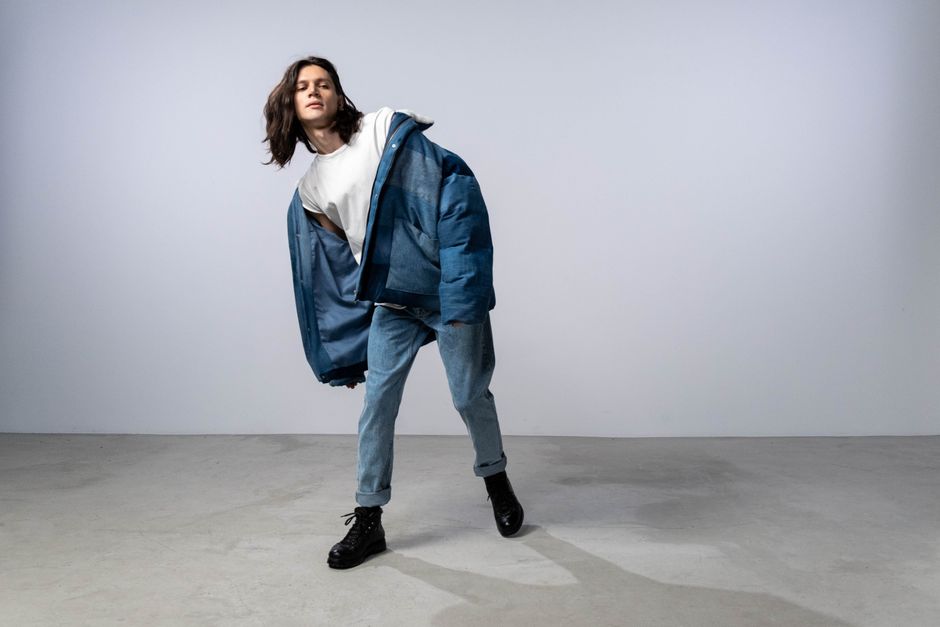
My first edit divided clothing into four shapes: relaxed tops, straight or wide bottoms, cropped or boxy outer layers, and one clean fitted layer. This mix creates contrast. A roomy sweatshirt looks intentional with a straight trouser. A shorter jacket gives shape to a wide-leg pant. A fitted ribbed tank can sit under a loose overshirt without making the outfit feel formal.
I avoided buying three versions of the same oversized item. Oversized clothing only works when something else gives the outfit a boundary. Without that contrast, the outfit becomes a block of fabric. The most flexible proportions were a top that ended near the hip, a bottom with a clear break at the shoe, and an outer layer that stopped either above or below the widest point of the body.
Use a restricted color map
I chose black, washed charcoal, cream, olive, denim blue, and one accent color. This sounds basic, but it removed the daily problem of asking if pieces matched. Every top worked with at least three bottoms. Every shoe worked with the main colors. The accent color appeared only in small doses, such as a cap, sock, bag, or graphic.
The clear verdict: start with fewer colors and more shape contrast. A gender-neutral streetwear wardrobe feels personal when the proportions are deliberate, not when every item carries a loud logo.
My actual rotation balanced price, texture, and daily use
The core pieces that earned repeat wears
| Item | Typical price | Useful detail | My verdict |
|---|---|---|---|
| Uniqlo U Airism Cotton Oversized T-Shirt | $24.90 | Relaxed cut; cotton-rich jersey; easy base layer | Best low-cost oversized tee |
| Dickies 874 Work Pant | $29.99 | 65/35 polyester-cotton twill; straight leg; durable crease | Best everyday trouser |
| Levi’s 501 ’93 Straight Jeans | $79.50 | Roomier straight fit than the classic 501; rigid denim options | Best denim anchor |
| adidas Samba OG | $100 | Low-profile leather and suede upper; slim sole | Best sleek shoe for wide pants |
| Carhartt WIP Detroit Jacket | $199 | Boxy waist-length shape; canvas outer; strong shoulder line | Best structured layer |
These prices are typical listed prices and can change with color, season, or regional stock. I included them because budget changes the way a wardrobe works. A $30 trouser that gets worn twice is expensive. A $200 jacket worn three times a week can be the better purchase.
The table also shows the balance I wanted. The Uniqlo U tee handles volume without taking much of the budget. The Dickies 874 adds structure and workwear texture. The Levi’s 501 ’93 Straight gives denim a relaxed line without becoming extremely wide. The adidas Samba OG keeps the shoe narrow, which makes a loose trouser look cleaner. The Carhartt WIP Detroit Jacket supplies shape when the rest of the outfit is soft.
My pick for the strongest starting trio is the Dickies 874, the Uniqlo U tee, and a plain low-profile sneaker. That combination covers errands, casual offices, concerts, and travel. Add the jacket after the basic outfits already work.
Fit matters more than the word unisex
Measure the garment, not the department
The most useful lesson was simple: fit before label. A garment can be marketed as unisex and still fit only one narrow body shape. Some unisex shirts use a broad shoulder and long torso. Others use a shorter body with a dropped sleeve. Those differences matter more than the word printed on the product page.
I measured four garments I already loved: shoulder width, chest width, back length, and sleeve length. For bottoms, I measured the waistband, front rise, thigh width, leg opening, and inseam. Then I compared those measurements with new clothes. This worked better than guessing from a size chart that changed between brands.
Choose ease based on movement
Streetwear needs room for sitting, walking, carrying a bag, and layering. I wanted about 4 to 6 inches of ease around the chest in an overshirt, enough room to bend in a straight trouser, and a sleeve that ended near the wrist bone. More room was not always better. Excess fabric around the seat or underarm made some pieces look accidental instead of relaxed.
Body shape also changes the result. A cropped jacket can balance a long torso. A longer overshirt can make a short jacket feel less abrupt. A higher rise gives a tucked tee a stronger line. None of these rules are tied to gender. They are visual tools.
The strongest outfits came from contrast: one generous piece, one controlled piece, and one item with a clear edge. For example, a loose tee, straight trousers, and a cropped jacket. Or a fitted tank, wide jeans, and a long overshirt.
Test the outfit in motion
I stopped judging clothes only in front of a mirror. I sat down, raised my arms, walked ten steps, and checked the hem with a backpack on. A sleeve that looks good while standing may ride up when reaching. A trouser that looks wide in a fitting room may bunch heavily over a sneaker. Movement exposed bad purchases faster than styling did.
The verdict is firm: do not buy a garment because its category sounds inclusive. Buy it because its measurements and movement match your body.
Three layers solved most of my daily outfit decisions
Use the base, shape, and signal formula
My easiest dressing method became a three-layer formula. The base layer handles comfort. The shape layer creates the silhouette. The signal layer gives the outfit a point of view. The layers do not need to be three garments. A tee, trouser, and shoe can do the same job.
- Base: Choose a plain tee, tank, long-sleeve top, or sweatshirt in a fabric that feels good against the skin.
- Shape: Add a trouser, jean, overshirt, bomber, or jacket that changes the outline of the outfit.
- Signal: Add one clear detail, such as a bright sock, silver chain, graphic, cap, technical bag, or unusual shoe.
- Check the balance: If the base and shape are both oversized, make the signal small and precise. If the base is fitted, let the outer layer carry more volume.
This method stopped me from adding random pieces just because an outfit felt unfinished. Usually, it needed one sharper detail, not another garment.
Repeat formulas, change texture
Repeating a shape is not the same as repeating an outfit. I wore the same loose-tee-and-straight-pant formula with jersey, denim, canvas, and nylon. Texture created enough difference. A washed cotton tee with rigid denim looked casual. The same tee with pressed twill and a structured jacket looked more polished.
For my wardrobe, the best verdict was to repeat reliable shapes and change only one variable at a time. That created consistency without making every look identical.
Spend money on structure, not hype

My strongest expensive purchase was the outer layer
Pay for structure first. I would spend more on a jacket that holds its shape than on a graphic tee with a limited-edition story. The Carhartt WIP Detroit Jacket, usually around $199, earned its place because the canvas, boxy waist, and strong shoulders changed simple outfits. It made a basic tee and work pant look finished.
That does not mean every wardrobe needs this jacket. If you live somewhere warm, a heavy canvas layer may sit unused. A lighter nylon coach jacket or cotton overshirt would give a better cost per wear. If you already own a similar short jacket, buying another one in black is duplication, not progress.
Choose shoes by trouser shape
The adidas Samba OG at about $100 worked best with my wider trousers because its low profile kept the hem from looking heavy. The shoe has a leather and suede upper, but its real value for this wardrobe was visual scale. A chunky sneaker would have created a different balance.
For a technical wardrobe, the Salomon XT-6, usually priced near $200, is the better choice. Its trail-inspired sole, protective upper, and larger shape suit cargo pants and nylon layers. I would not buy it for a mostly clean, minimal wardrobe. It can overwhelm slim denim and simple tailoring.
My clear position: buy the adidas Samba OG for a clean everyday streetwear line, and choose the Salomon XT-6 only when the rest of the wardrobe already supports a technical look.
Questions that exposed my bad purchases
Do gender-neutral clothes need to be oversized?
No. Oversizing is one styling option, not the definition of gender-neutral clothing. I returned one very large hoodie because the shoulders dropped too far and the hem swallowed every pair of trousers I owned. A relaxed fit still needs a visible shape.
Should every piece work for every body?
No. A garment can be useful without being universal. The Levi’s 501 ’93 Straight, around $79.50, gave me a practical straight leg, but its rigid denim needed break-in time. Someone who wants immediate softness may prefer stretch denim. Someone who dislikes a button fly should skip a traditional 501-style design.
When should someone skip a workwear trouser?
Skip the Dickies 874 if you dislike a firm waistband, a durable twill hand, or a straight leg that keeps its crease. Its roughly $29.99 price makes it tempting, but low price does not remove the fit tradeoff. For softer movement, choose a relaxed cotton drawstring trouser instead.
What was my most common mistake?
I bought for an imagined version of myself. I chose a bright technical vest because it looked strong in a styled photo, then avoided it because it did not suit my daily routes. Clothes need a real place in your week. If an item needs a special event, special shoes, and perfect weather before it works, it is not a wardrobe foundation.
The best purchase test became three questions: Can I wear it with three pieces I own? Can I move comfortably in it? Can I name the next date I will wear it? A no to two questions meant I left it behind.
The finished wardrobe feels personal because it has limits
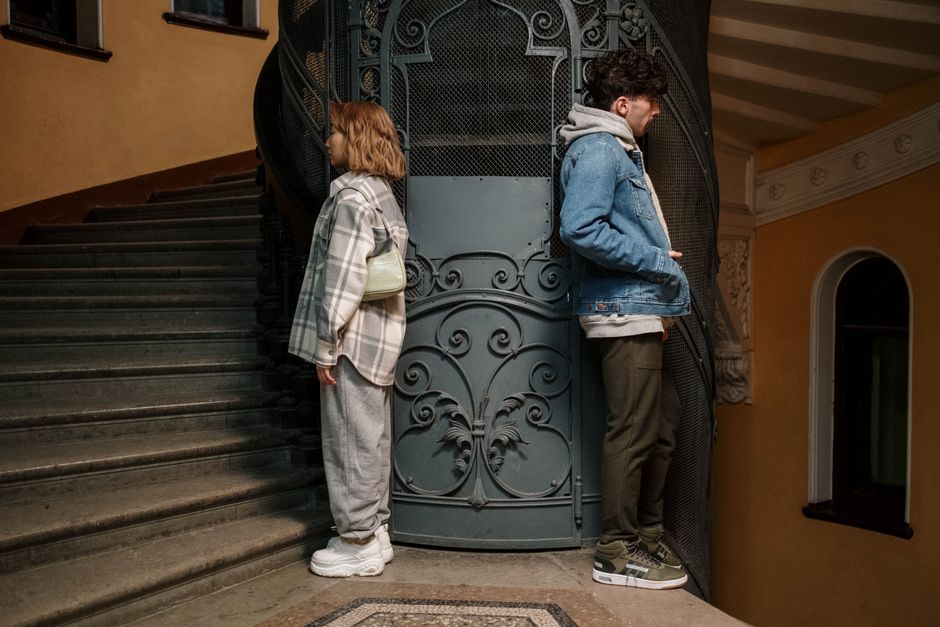
What I would keep for 2026
My 2026 edit would keep the same logic: a small color map, two trouser shapes, two shoe profiles, one reliable jacket, and enough base layers for laundry day. I would add one piece with a personal reference, such as a local artist graphic, a vintage sports scarf, or a color connected to a favorite place. That detail matters more than another neutral basic.
I would also leave room for repair. A loose hem, missing button, or faded patch does not always mean replacement. Streetwear becomes more convincing when clothing shows use, but only if the garment still fits and functions.
The final answer to the original wardrobe problem
The strongest gender-neutral streetwear wardrobe is not a shopping list. It is a repeatable system built around measurements, contrast, movement, and honest wear frequency. My small wardrobe worked because every piece had a job and no item had to perform a fantasy version of my life.
That brought me back to the opening result: 20 pieces, more than 60 outfits, and fewer rushed mornings. The freedom did not come from owning every style. It came from knowing exactly which shapes made getting dressed easy.