I stopped buying fast fashion and reduced my active closet to 20 clothing pieces, shoes, and outer layers. The result was calmer mornings and fewer impulse purchases, but the experiment also exposed a few flaws that polished capsule-wardrobe advice tends to skip.
What belongs in a 20-piece wardrobe?
The useful definition is smaller than a full closet
I counted the items I could wear in normal weekly rotation. Underwear, sleepwear, gym clothes, jewelry, bags, and weather-specific gear stayed outside the total. That rule kept the experiment practical instead of turning it into a contest about owning the fewest things.
My 20 pieces covered work, errands, dinners, and casual weekends. The mix was not 20 identical basics. It needed enough contrast to stop every outfit from feeling like a uniform.
| Category | Pieces | Role in the wardrobe |
|---|---|---|
| T-shirts and tops | 5 | Three short-sleeve tees and two button-front shirts for everyday layering |
| Knitwear | 2 | One lightweight cardigan and one warmer crewneck |
| Dressier layers | 2 | One blazer and one simple black dress |
| Bottoms | 5 | Two jeans, tailored trousers, a skirt, and relaxed cotton pants |
| Outerwear | 2 | A trench coat and a short jacket |
| Shoes | 4 | Sneakers, ankle boots, loafers, and simple sandals |
The math made the small wardrobe feel larger
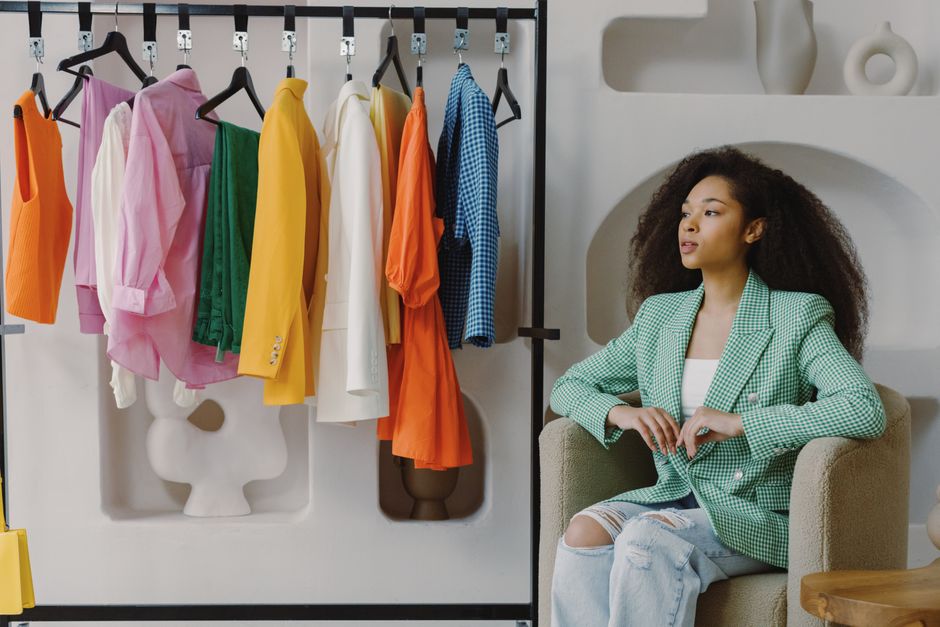
Five tops, five bottoms, two layers, and four pairs of shoes created more combinations than I expected. The blazer changed jeans from casual to office-ready, while the cardigan softened trousers and made the dress useful across two seasons. My best lesson was simple: count outfit functions, not just garment categories.
For a first attempt, I recommend 20 active pieces rather than a strict 20-item lifetime closet. That leaves room to replace worn garments without treating every purchase as a failure.
Did fewer clothes actually make dressing easier?
My verdict after the first two weeks
Yes. The biggest improvement was decision speed. I stopped opening a packed closet, rejecting six outfits, and reaching for the same sweatshirt. Each morning offered a short list of combinations that I had already tested.
The wardrobe also showed me which colors I truly wear. Navy, cream, black, denim, and muted olive carried most of the rotation. Brighter pieces looked attractive in shops but rarely worked with the rest of the closet.
The benefit was less visual noise, not perfect minimalism
I still repeated outfits. I still wanted something new before a dinner or trip. The difference was that I could name the missing function instead of shopping from boredom. My clear verdict: a 20-piece wardrobe works best as a reset for people who feel surrounded by clothes but short on outfits.
How I chose pieces that earned repeated wear
Step 1: Track outfits before removing anything
For seven days, I photographed every outfit and wrote down the reason I chose it. I marked each item with a simple score: worn gladly, worn by default, or avoided. This separated genuine favorites from clothes that looked good on a hanger.
I also recorded the weather, activity, and dress code. A white shirt might look versatile until a hot commute, a dog walk, and a laundry delay reveal that it needs a specific role. The point of the log was to capture real friction instead of imagined versatility.
Step 2: Keep a color and shape system
I chose two base colors, three supporting colors, and one accent. Then I checked every possible top-and-bottom pairing on the bed. If a garment worked with only one other piece, it needed an unusually strong reason to stay.
Shape mattered as much as color. A fitted top balanced wide-leg trousers, while a loose shirt worked with straight jeans or a narrow skirt. A wardrobe full of oversized items looked relaxed but made me feel unfinished. A wardrobe full of slim items felt polished but uncomfortable.
Step 3: Set a replacement rule
I did not throw away wearable clothes simply to reach 20. I boxed low-use pieces for 30 days, then donated or resold only what I had not missed. When something wore out, I replaced that function instead of adding a new category.
This step prevented the usual mistake: turning minimalism into a shopping spree. You do not need 20 new garments. You need a clear list of the jobs your clothes must perform.
Which five pieces did the most work?
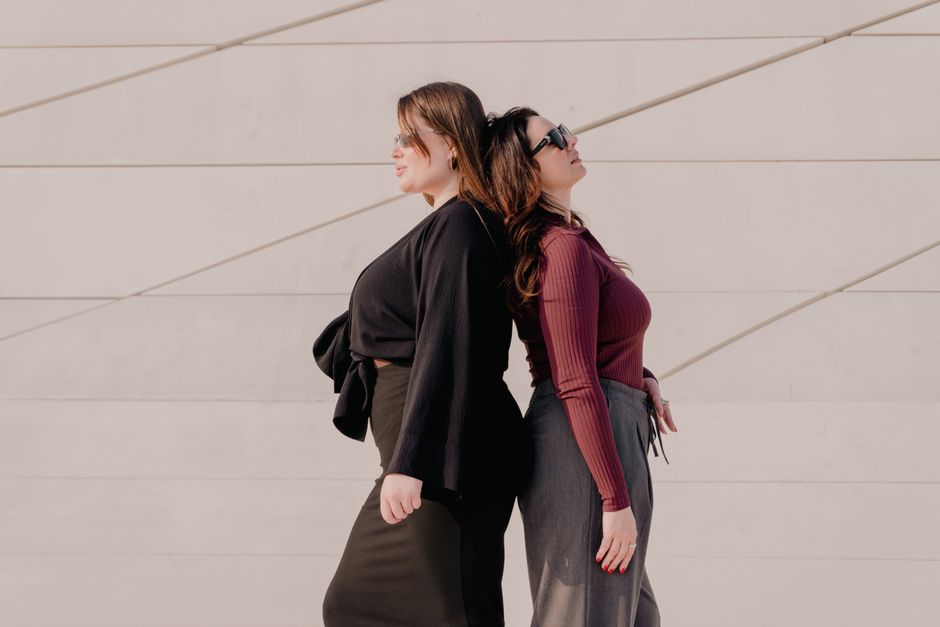
My highest-value items
- Uniqlo Supima Cotton T-Shirt, $24.90: The smooth cotton and broad size range made it a reliable base layer. I kept three colors, but white and navy received the most wear.
- Levi’s 501 Original Jeans, $79.50 list price: The straight leg worked with sneakers, loafers, and ankle boots. I chose one medium wash and kept the fit slightly relaxed for comfort.
- COS wool-blend blazer, about $250: This was the piece that made the wardrobe look intentional. Its value came from structure, not decoration, so it worked over a tee as easily as over the black dress.
- Blundstone 585 Classic Chelsea Boots, about $240: These replaced separate casual and rainy-day shoes during cooler months. The tradeoff was weight; they were not my choice for long summer walks.
- Dr. Martens 1461 shoes, about $170: These added a sharper shape to denim and trousers. They needed a break-in period, so buying them for an immediate event would have been a poor decision.
The winner was the blazer, not the cheapest item. It changed the largest number of existing outfits. For anyone starting from scratch, I would buy one strong layer before buying a fourth pair of jeans.
What failed, and what should you avoid buying?
The versatile item that stayed on the hanger
My first mistake was choosing a satin midi skirt because it looked adaptable online. In practice, it creased quickly, felt too dressy with casual tops, and needed a different shoe for almost every outfit. It was versatile in theory and awkward in my routine.
I also bought a pale knit in a beautiful shade that demanded careful washing. After two wears, I began protecting the garment instead of enjoying it. A piece that makes you worry about stains, snagging, or laundry is not earning its space.
Three buying mistakes that cost more than expected
- Buying a sale item before checking its fit with at least three clothes already owned.
- Counting a garment as useful because it works for one special occasion.
- Ignoring maintenance, such as dry cleaning, delicate washing, ironing, or resoling.
My strongest opinion is this: do not buy a “perfect capsule basic” if you dislike wearing it. A plain shirt that needs constant ironing is less useful than a slightly less elegant shirt that you reach for twice a week. The best 20-piece wardrobe is built around behavior, not mood-board style.
Can a 20-piece wardrobe handle real life?
What about laundry?
Yes, but only with a realistic washing rhythm. I did one midweek load for tops and underwear and one weekend load for denim, towels, and heavier pieces. Five everyday tops were enough because I was not waiting two weeks between washes.
What about changing weather?
Layering solved spring and autumn, but it did not solve every climate. A trench, cardigan, and jacket gave me three levels of coverage. In a place with heavy snow or extreme heat, seasonal storage makes more sense than forcing one 20-piece list to cover the whole year.
What about work and social events?
The black dress and blazer covered dinners, presentations, and last-minute plans. I changed the shoes and added a different layer rather than buying separate outfits for each setting. That approach saved closet space, but it required trying combinations before I needed them.
The answer is not to own one outfit for every possible event. It is to identify the events that happen often and rent, borrow, or rewear for the rare ones. A 20-piece wardrobe can support real life when the list reflects your calendar instead of an imaginary lifestyle.
Who should try this wardrobe experiment?
It suits shoppers who want fewer decisions
Try a 20-piece wardrobe if you repeatedly buy clothes that look exciting but do not create outfits, if your closet contains several versions of the same weak basic, or if dressing feels harder than it should. The experiment gives you evidence. You learn your useful colors, reliable silhouettes, and actual laundry limits.
It is the wrong target for some wardrobes
Skip the strict number if your job requires uniforms, your climate changes sharply through the year, or you enjoy fashion as a creative hobby. You can still stop fast-fashion overbuying without forcing party clothes, sportswear, workwear, and winter gear into one tiny count.
My final recommendation is specific: start with a 30-day, 20-piece test using clothes you already own. Keep five tops, five bottoms, two layers, two outerwear pieces, one dress, and five pairs of shoes or flexible accessories based on your routine. Add only the missing function you can name. For most fashion readers, that test delivers the savings and calm of a smaller wardrobe without turning personal style into a punishment.