Many petites believe finding a well-fitting coat is simple. They look for a "petite" label. They assume a smaller size means a perfect fit. This is a common misconception.
Often, petite-sized coats are merely scaled-down versions of standard designs. They miss the mark on crucial proportional details. This leads to coats that still overwhelm a smaller frame. The goal is not just a shorter coat. It is a coat designed with specific petite proportions in mind. This impacts everything from lapel width to pocket placement. Understanding these nuances changes the entire shopping experience.
The Misconception: Tall Coats, Shrunk Down
A coat designed for someone 5’8" then simply shortened for a 5’2" individual will likely still look off. The issue isn’t just length. It’s the entire visual balance. Elements like oversized collars, deep armholes, or pockets placed for a longer torso can create an unbalanced look. These details can visually shorten the legs, widen the frame, and make the wearer appear swamped.
A coat should enhance your figure. It should create a harmonious silhouette. When designers merely shrink a standard design, they often fail to adjust these critical proportional elements. This results in a coat that feels too big, even if the label says "petite." It’s not about the garment’s size. It’s about its design language on your body.
Lapels and Collar Overwhelm
Wide, dramatic lapels and oversized collars can completely swallow a petite frame. They shorten the neck visually. They make the upper body appear broader than it is. This distorts the body’s natural lines. Think of the difference between a classic trench coat’s lean lapel and a bold, menswear-inspired overcoat. For petites, narrower, more streamlined lapels are almost always better. A smaller collar, or even a collarless design, helps maintain an elongated neckline. These small details make a significant impact on overall balance.
Pocket Placement Pitfalls
Pockets designed for taller individuals frequently sit too low on petites. This placement can make the torso appear disproportionately long. It can also make the arms look shorter. Horizontal pockets, especially large ones, add unwanted width at the hips. This is particularly unflattering. Look for coats with pockets placed higher on the torso. Vertical or subtly angled pockets are generally more flattering. They draw the eye up or along the body’s natural lines. This avoids truncating the leg line.
Sleeve and Hemline Distortions
Sleeves that are too long bunch up at the wrist. They require costly alterations. This can sometimes alter the coat’s intended silhouette. The hemline is equally critical. A coat meant to hit at the ankle on a taller person might hit an unflattering mid-calf on a petite. This can visually shorten the legs. The ideal hemline often falls above the knee, at the knee, or just above the ankle. These lengths maintain a sense of proportion and elongation for shorter frames.
Essential Styling Rules for Petites

Dressing well as a petite involves strategic choices. This is especially true for outerwear. The goal is to create length and balance. These rules ensure coats enhance, rather than overwhelm, your smaller frame. They are universal principles for petite fashion success.
Emphasize Vertical Lines
Vertical lines are powerful elongators. An open coat naturally creates two vertical panels. These draw the eye up and down. A subtle pinstripe, a single row of buttons, or a zipper closure can achieve a similar effect. Avoid heavy horizontal detailing, such as wide, contrasting belts or large, blocky pockets at the waist. A long, narrow scarf draped along the front of an open coat can also extend this vertical emphasis. It adds a touch of elegance while contributing to height.
Define the Waistline
A defined waist creates an hourglass silhouette. This makes the legs appear longer. Look for coats with a belt that cinches at your natural waist. Avoid belts that sit too low. A tailored coat with subtle darting at the waist achieves this definition even without a belt. This is crucial for maintaining proportional balance. A well-placed waistline ensures your torso and legs appear appropriately proportioned, preventing a ‘boxy’ look.
Master Monochromatic Dressing
Wearing one color from head to toe creates an unbroken line. This optical illusion makes you appear taller and leaner. It’s a highly effective technique for petites. A monochromatic coat paired with trousers or a dress in a similar shade provides a seamless flow. For example, a charcoal wool coat over a dark gray sweater and trousers creates a sophisticated, elongated silhouette. This technique is simple yet incredibly impactful for creating a perception of height.
Comparing Key Coat Silhouettes for Petites
Choosing the right coat silhouette makes all the difference for petites. Some styles naturally flatter shorter frames more than others. It’s about proportion and visual impact. Understanding how each style interacts with your height is key to making smart choices.
| Coat Style | Ideal Petite Features | Brands Often Carrying Petite-Friendly Versions |
|---|---|---|
| Trench Coat | Shorter length (above knee to just below), narrow lapels, defined waist belt, minimal oversized details. Lightweight fabric. | J.Crew, Banana Republic, Ann Taylor. Some specific Burberry petite lines. |
| Peacoat | Fitted shoulders, hip-length or slightly longer (mid-thigh), small collar, vertical button placement. Structured but not bulky. | J.Crew, Old Navy, Express. |
| Wrap Coat | Soft, draping fabric, adjustable waist tie, no buttons or minimal closure, V-neckline. Avoid heavy, thick fabrics. | Max Mara (select styles), Zara, Mango. |
| Cropped Jacket | Ends at or above the natural waist. Structured, fitted. Denim, leather, or boucle styles. | Levi’s, Madewell, Zara. |
The Refined Trench Coat
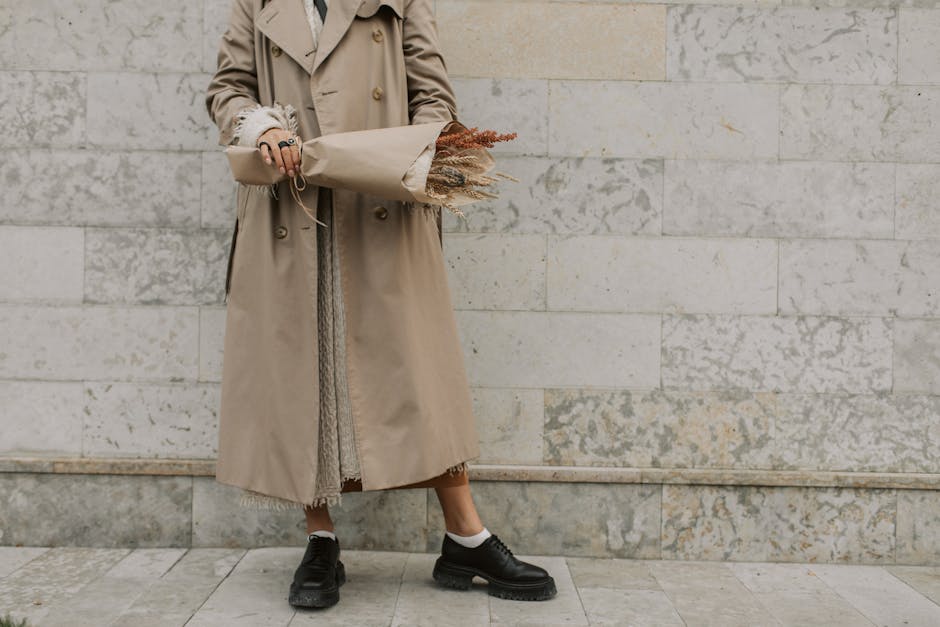
A classic trench coat, like those from Burberry, can work beautifully if chosen carefully. The key is length: it should hit at or just above the knee. Ensure the lapels are not excessively wide. The storm flap should be subtle. Crucially, the belt must cinch at your natural waist. This creates definition and avoids a shapeless silhouette. Look for lighter fabrics that drape well, rather than stiff, heavy twills. A well-fitted trench adds sophistication without overwhelming your frame.
The Sharp Peacoat
The peacoat’s structured shoulders and double-breasted front can be ideal for petites. The most important factor is length: hip-length or slightly past the hip is best. This avoids cutting the leg line at an awkward point. Brands like J.Crew often offer well-proportioned petite peacoats. These typically feature smaller collars and a flattering button placement. Avoid overly broad collars or bulky, thick wool blends that add unnecessary volume. A crisp, tailored fit is .
The Versatile Wrap Coat
A wrap coat, exemplified by some Max Mara designs, creates a beautiful, unbroken vertical line when worn open. When tied, it forms a flattering V-neckline. The soft, draping fabric is key here; it moves with you and avoids any stiffness. Always ensure the tie belt hits precisely at your natural waist. This emphasizes your shape and elongates the legs. Look for wrap coats in fine wool, cashmere blends, or other fluid materials. Avoid anything too chunky or boxy.
Cropped Jackets and Tailored Blazers

These shorter outerwear options are often a petite’s secret weapon. They respect the natural proportions of a shorter torso. This avoids the overwhelming effect of longer, bulkier coats. They strategically end at a point that lengthens the lower body.
Why Cropped Works
A jacket that ends at or just above the natural waistline instantly elongates the legs. This creates the illusion of a longer lower body. This is a fundamental principle of petite styling. A well-fitted cropped denim jacket, such as those from Levi’s, or a leather moto jacket from Madewell, adds style without sacrificing perceived height. They provide structure and polish without adding unnecessary length to the upper body. This balance is critical for a flattering look.
Blazer-Style Coats for Structure
For a more polished or professional look, consider blazer-style coats. These are essentially tailored blazers designed with outerwear-level fabric and construction. They offer excellent structure through the shoulders and typically feature clean, streamlined lines. A fitted blazer from brands like Ann Taylor or Express provides a sharp silhouette that doesn’t swamp a petite frame. They offer the formality of a coat with the precise fit of a blazer. This combination is highly effective for petites.
Material and Detail Choices
Opt for materials that aren’t overly thick or stiff. A tweed or boucle cropped jacket can be chic, but ensure the weave isn’t too chunky. Heavy textures add visual weight and can make a petite appear wider. Details matter too: small buttons, subtle zippers, and minimal embellishments keep the focus on the clean lines. This preserves the proportional fit. Avoid large, ornate details that can detract from the streamlined silhouette. Simplicity and precision are key.
Fabric & Fit: Non-Negotiables for Petite Coats
Ignoring precise fit and appropriate fabric choice is a significant mistake for petites. These two elements are more critical than style alone. A poorly fitting, bulky coat will detract from any outfit. It will undermine any effort to create a flattering look. Investing in quality and exact fit pays dividends in confidence and appearance.
Prioritize Shoulder Fit
The shoulder seam is the single most important fit point. It must sit precisely at the edge of your natural shoulder. A dropped shoulder or a seam that extends even slightly past your shoulder makes you look smaller. It also makes the coat look ill-fitting. This is the hardest part of a coat to alter successfully. Get it right from the start. A perfectly aligned shoulder creates a crisp, tailored foundation for the entire garment. It visually lifts and supports the upper body.
Seek Supple, Draping Fabrics
Stiff, heavy fabrics like thick melton wool or overly structured twill can add unwanted bulk. They can literally swallow a petite frame. These materials lack the necessary fluidity. Instead, look for fabrics with a nice drape: cashmere blends, fine merino wool, Tencel, or softer wool blends. These materials move with you. They create a more fluid, less rigid silhouette. A coat with good drape skims the body without clinging, offering elegance and comfort. Think of the flow of a Zara wool blend versus a rigid military coat.
Sleeve Length and Cuffs
Sleeves should end exactly at your wrist bone. Anything longer will bunch up or require costly hemming. This can alter the coat’s original design. If the coat has cuffs, ensure they are proportional to your arm and don’t overwhelm your wrist. Sometimes, a bracelet-length sleeve works exceptionally well for petites. It offers a chic, intentional look. This length highlights the wrist, a slender part of the arm, further enhancing a delicate frame. Pay attention to cuff width and how it sits on your arm.
Petite Coat FAQs

Common questions often arise when searching for the perfect petite coat. Getting these answers clear helps in making informed decisions. Knowing what to look for simplifies the process significantly. It ensures you select a coat that genuinely flatters your smaller frame.
What is the ideal coat length for a petite?
The ideal coat length for a petite varies by style. Generally, coats that hit above the knee, at the knee, or just above the ankle (maxi length) work best. These lengths either expose more leg or create a long, unbroken line. Mid-calf can be tricky. It often cuts the leg at an unflattering point, visually shortening it. A well-fitting cropped jacket, ending at the natural waist, also works perfectly. It elongates the legs by shortening the torso’s perceived length. Choose based on the specific coat type and desired effect.
Should petites avoid oversized coats?
Mostly, yes. While oversized fashion is trendy, it is challenging for petites to pull off without looking swamped. The excess fabric can overwhelm a smaller frame. If you must attempt it, choose a coat with very structured shoulders. Ensure it has a high-quality drape. It needs to be intentionally oversized, not just too big. A slightly relaxed fit is different from a truly oversized one. Opt for coats labeled ‘relaxed fit’ rather than ‘oversized’ when possible. Focus on proportional volume.
How do I know if a coat is truly "petite-friendly"?
It’s about more than just a "petite" label. First, check the shoulder seam; it must be precise. Second, examine the lapel width; narrower is generally better. Third, look at pocket placement; they should be higher, not below your hip bone. Fourth, consider the overall length in relation to your height, not just the model’s. Finally, the sleeves should hit your wrist perfectly. These specific details indicate a design truly tailored for a petite frame. It moves beyond simple length adjustments.
Finding the right coat for a petite frame is not about settling for less. It is about embracing design that truly understands proportion. The market is evolving. More brands recognize the need for thoughtful petite design. As choices expand, the perfect, flattering coat is becoming more accessible. You just need to know what to look for.