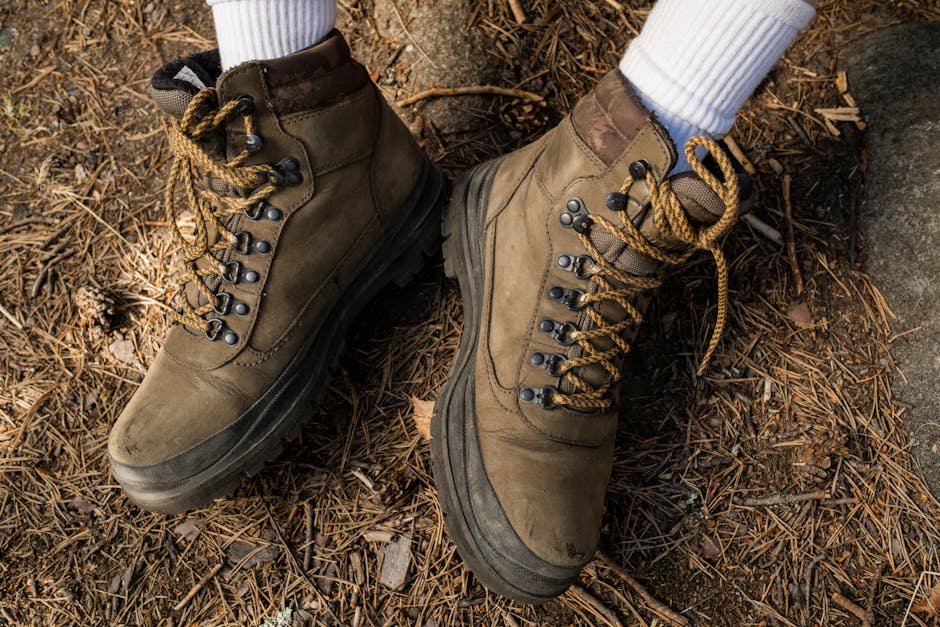
Did you know that over 60% of hikers report discomfort or pain related to their footwear on trails longer than 10 kilometers? Poorly chosen hiking boots can turn an enjoyable trek into a painful ordeal. While Kathmandu offers a popular range of outdoor gear, including hiking boots, they might not always be the optimal choice for every hiker or trail condition. Understanding what makes a boot truly perform on varied terrain is crucial.
Understanding Kathmandu’s Hiking Boot Range
Kathmandu, an Australian and New Zealand brand, focuses on accessible outdoor gear. Their hiking boot line aims for a balance of price, comfort, and general trail capability. Models like the Federate and Albert are common sights on local trails, appealing to entry-level and intermediate hikers.
The brand typically uses proprietary waterproofing, such as ngx®, rather than industry standards like Gore-Tex. This can affect long-term durability and breathability, especially in demanding, wet conditions. Their boots often feature a more forgiving fit, which suits a wider foot but might lack the precision needed for technical scrambling or steep ascents.
Key Kathmandu Models and Their Features
The Kathmandu Federate Mid Boot is a prime example of their general-purpose offering. It provides decent ankle support and a moderately stiff sole suitable for day hikes and light overnight trips. The ngx® liner keeps light moisture out, but heavy downpours can challenge it. Its outsole pattern is adequate for well-maintained paths, but less aggressive than some competitors.
Another popular model, the Kathmandu Albert eVent Waterproof Hiking Boot, attempts to offer enhanced waterproofing through the eVent membrane. This is a step up from ngx®, providing better breathability. However, the overall construction remains geared towards less strenuous use compared to dedicated mountaineering or heavy-duty trekking boots.
When Kathmandu Boots Excel
Kathmandu boots are a solid option for casual day hikes, weekend trips on established trails, and those prioritizing comfort over extreme ruggedness. Their price point also makes them attractive for new hikers who are not ready to invest heavily. They perform well in dry, mild conditions where technical challenges are minimal. For a first pair of boots, or for someone who hikes infrequently, Kathmandu can be a good starting point.
Key Features to Prioritize in Hiking Boots
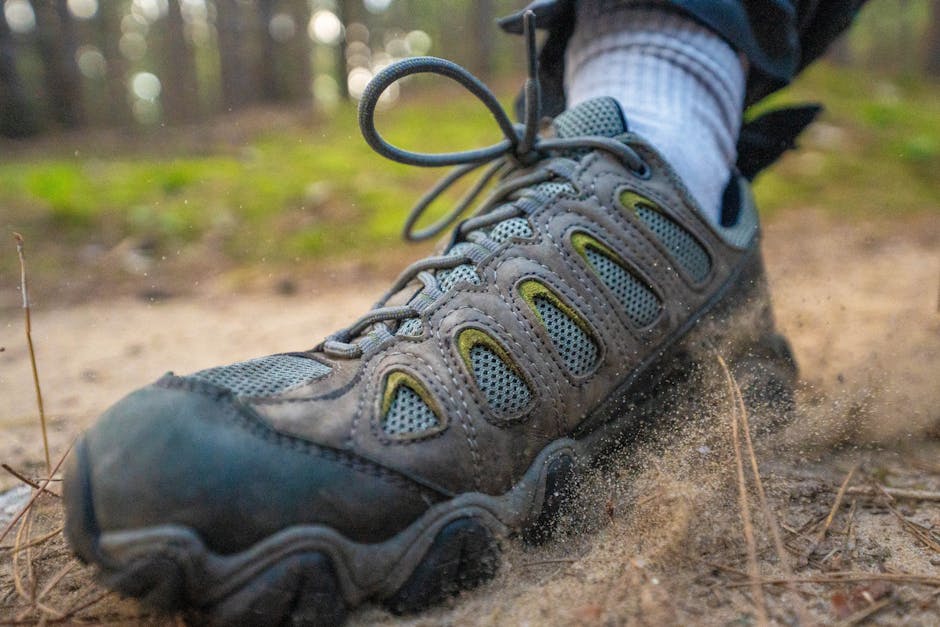
Choosing the right hiking boot involves more than just picking a brand. Focus on features that directly impact your comfort, safety, and performance on the trail. Understanding these elements helps you compare any boot effectively, including and beyond Kathmandu’s offerings.
- Waterproofing and Breathability: A waterproof membrane is essential for wet conditions. Gore-Tex is the gold standard, offering reliable water resistance while allowing sweat vapor to escape. Proprietary membranes vary in effectiveness and breathability.
- Sole Stiffness and Grip: The sole’s stiffness dictates how much support it offers on uneven terrain and how much protection it provides from sharp rocks. A stiffer sole is better for rocky, technical trails, while a more flexible sole suits flatter paths. The outsole pattern and rubber compound are critical for grip on different surfaces, from loose gravel to wet roots.
- Ankle Support: Mid-cut and high-cut boots offer varying degrees of ankle support, crucial for stability on rough or uneven ground. Low-cut trail shoes provide less support but allow for more agility.
Understanding Midsole Cushioning
The midsole provides cushioning and absorbs impact. EVA (ethylene-vinyl acetate) is lightweight and offers good shock absorption, while PU (polyurethane) is denser, more durable, and provides better long-term support, though it adds weight. For longer hikes with a pack, a more robust PU midsole can reduce foot fatigue.
Outsole Lug Pattern and Material
Look for deep, multi-directional lugs on the outsole. These provide traction for ascents, descents, and traverses. Brands like Vibram are renowned for their durable and grippy rubber compounds, which perform consistently across varied temperatures and surfaces. A good lug pattern clears mud effectively, maintaining traction.
Top Contenders Beyond Kathmandu: Proven Alternatives
For serious hikers, investing in a specialized boot often pays dividends in comfort and durability. While Kathmandu serves a segment of the market well, other brands excel in specific areas, offering superior performance for challenging conditions. These alternatives provide a benchmark for waterproofing, sole technology, and anatomical fit.
Salomon: Precision and Performance
Salomon is a leader in technical hiking footwear. Their boots are known for a precise fit, excellent ankle support, and advanced chassis technology. The Salomon Quest 4D 3 GTX is a prime example, offering mountaineering-level stability in a comfortable, hike-ready package. It features a Gore-Tex membrane for reliable waterproofing and a high-traction Contagrip® outsole. This boot is ideal for multi-day treks with heavy loads on rugged, mixed terrain.
Merrell: Comfort and Versatility
Merrell has long been a favorite for hikers seeking immediate comfort and versatility. The Merrell Moab 3 Mid Waterproof is an industry standard, often recommended for its out-of-the-box comfort and reliable performance on varied trails. It uses a proprietary waterproof membrane and a Vibram® TC5+ outsole, providing a good balance of cushioning and grip. It’s a workhorse for day hikes and light backpacking.
Keen: Space and Protection
Keen boots are recognizable by their generous toe box and robust toe protection. The Keen Targhee III Mid Waterproof is a popular choice for its comfort, wider fit, and solid all-around performance. It features Keen.Dry waterproofing and a multi-directional lug pattern for good traction. This boot suits hikers who need more room in the forefoot or who frequently encounter rocky trails where toe protection is .
Oboz: Support and Durability
Oboz specializes in anatomical fit and superior support. Their insoles are often considered a cut above standard offerings, providing excellent arch support. The Oboz Bridger Mid B-DRY is a highly durable and supportive boot, perfect for rugged trails and extended trips. Its B-DRY waterproof membrane performs reliably, and the O FIT Insole™ enhances comfort and stability over long distances.
How Boot Fit Impacts Performance and Safety

The best hiking boot in the world is useless if it doesn’t fit correctly. Fit is highly individual and affects everything from blister prevention to ankle stability. Getting it right is more important than any specific brand or feature.
What is the most common mistake when trying on hiking boots?
The most common mistake is trying boots on without appropriate hiking socks. Always wear the type of socks you plan to hike in when testing boots. This ensures an accurate feel for the volume and fit inside the boot. Trying them on too quickly without walking around for a few minutes is also a common error.
How should a hiking boot feel?
Your toes should not touch the front of the boot, even when walking downhill. There should be about a thumb’s width of space between your longest toe and the end of the boot. Your heel should feel secure, with minimal slippage, but not so tight that it causes pressure points. The midfoot should be snug, and the laces should secure your foot without creating hot spots.
Should hiking boots be bought a size up?
Not necessarily. While some hikers prefer a slightly larger size to accommodate swelling feet on long treks or thicker socks, it’s more about volume and length than simply sizing up. A boot that is too large can lead to excessive foot movement, causing blisters and instability. Focus on the thumb-width rule for toe room and ensure your heel is secure.
Generic Tip: Always try on hiking boots in the afternoon or evening. Your feet naturally swell throughout the day, mimicking the swelling they’ll experience on a long hike. This ensures a more accurate and comfortable fit.
Comparing Mid-Range Hiking Boots
Selecting a mid-range hiking boot means finding the sweet spot between value and performance. Here’s a quick comparison of popular models that often represent better choices than generalist options for varied trail conditions.
| Feature | Salomon X Ultra 4 Mid GTX | Merrell Moab 3 Mid WP | Keen Targhee III Mid WP |
|---|---|---|---|
| Waterproofing | Gore-Tex | Merrell Select DRY | Keen.Dry |
| Outsole | Contagrip MA | Vibram TC5+ | Keen All-Terrain |
| Weight (pair) | ~800g | ~920g | ~980g |
| Support/Stability | High, ADV-C Chassis | Moderate, Nylon Arch Shank | Moderate, ESS Shank |
| Fit Profile | Precise, athletic | Roomy, out-of-box comfort | Wide toe box |
| Best Use | Fast hiking, technical trails | Day hikes, light backpacking | Day hikes, wider feet |
The Salomon X Ultra 4 Mid GTX stands out for its agility and precise support, making it excellent for moving quickly over varied terrain. The Merrell Moab 3 Mid WP remains a comfort king, a reliable choice for less technical trails. The Keen Targhee III Mid WP offers ample toe room and solid protection, ideal for hikers who value a wider fit.
When to Choose Lighter Trail Shoes Instead
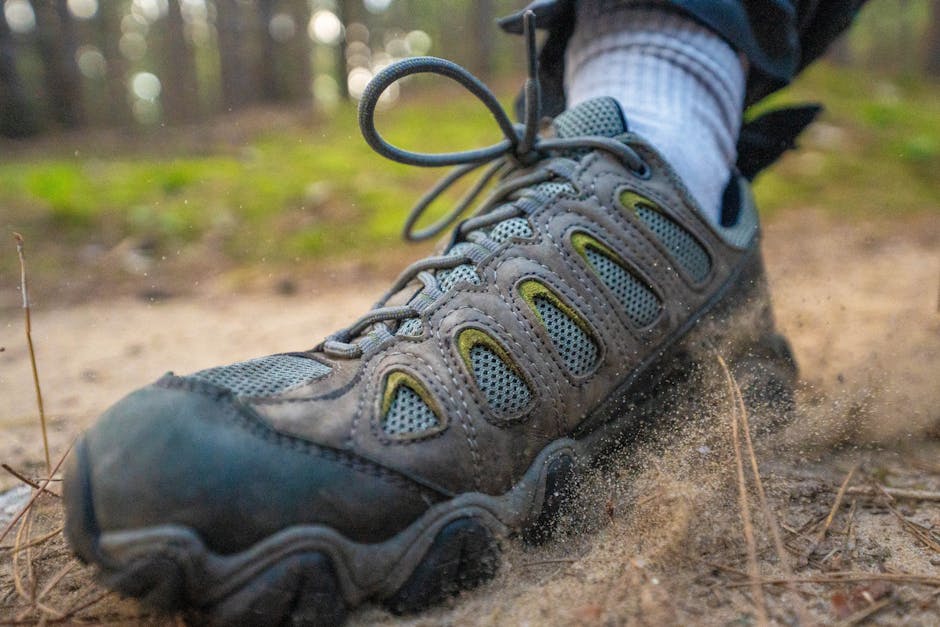
Sometimes, a traditional hiking boot is overkill. For fast-paced day hikes, well-maintained paths, or warm, dry conditions, lighter trail shoes offer superior agility and comfort. They prioritize flexibility and breathability over maximum support and protection. Think about the terrain and duration of your typical hike.
Generic Tip: Always pack a pair of quality hiking socks made from merino wool or synthetic blends. Cotton socks absorb sweat, leading to blisters and discomfort. Good socks are as important as good boots.
Maintenance Tips for Longevity
Proper care significantly extends the life of your hiking boots. Neglecting maintenance can quickly degrade waterproofing, reduce grip, and compromise the structural integrity of the boot. A few simple steps can keep your boots performing season after season.
- Clean Regularly: After each hike, brush off loose dirt and mud. For stubborn grime, use a soft brush and warm water. Avoid harsh detergents that can strip away DWR (Durable Water Repellent) coatings or damage leather.
- Dry Properly: Allow boots to air dry naturally at room temperature. Remove insoles and loosen laces to promote airflow. Never dry boots near direct heat sources like fires or radiators, as this can crack leather and melt adhesives.
- Re-waterproof: Over time, the DWR coating on your boots will wear off. Reapply a spray-on or wash-in waterproofing treatment, especially for Gore-Tex or proprietary membranes, to restore water repellency. Leather boots may benefit from waxes or conditioning treatments.
- Store Correctly: Store boots in a cool, dry, well-ventilated area, away from direct sunlight. Avoid cramming them into tight spaces where they might deform. Consider using boot trees or stuffing them with newspaper to maintain their shape.
Inspecting for Wear and Tear
Before and after each major trip, inspect your boots. Look for worn outsoles, especially around the heel and toe, which can indicate it’s time for a resole or replacement. Check laces for fraying, and examine stitching for loose threads. Address minor issues promptly to prevent them from becoming major problems.
Ultimately, the best hiking boot is the one that fits your foot, matches your hiking style, and suits the conditions you’ll encounter. While Kathmandu offers accessible options, exploring alternatives from brands like Salomon, Merrell, Keen, and Oboz can provide superior performance, durability, and comfort for more demanding adventures.
Hiking Boot Comparison Summary
| Brand Focus | Strengths | Considerations |
|---|---|---|
| Kathmandu | Accessible price, comfort, casual use | Proprietary waterproofing, less technical support |
| Salomon | Precision fit, stability, technical terrain | Can be narrower, higher price point |
| Merrell | Out-of-box comfort, versatility, lighter trails | Moderate support for heavy loads |
| Keen | Wide toe box, toe protection, solid grip | Bulkier feel, can be heavier |
| Oboz | Superior arch support, durability, rugged trails | Can be stiffer, less common in stores |