Sick of wading through endless ‘best of’ lists that don’t tell you anything useful? You want to know what actually makes a denim jacket great. No fluff. Let’s get to it.
The Enduring Power of the Classic Trucker Jacket
Forget the fads; the classic trucker jacket is not just a good design, it’s the design. Period. Its lineage is impeccable, its versatility unmatched. You see it everywhere for a reason: it just works. It’s the standard, the benchmark against which all other denim jackets are, or should be, judged. This isn’t up for debate.
Originating from workwear, the trucker jacket evolved into a cultural icon. It’s defined by its relatively short cut, often hitting at the hip, and its distinctive front pleats and flap pockets. The silhouette is timeless because it complements almost any body type and clothing style. You’re buying a piece of history that’s still relevant, not some fleeting trend. Get over it if you think there’s a better ‘basic’ design. There isn’t.
The Levi’s Type III: Still The Benchmark
When someone says “denim jacket,” they’re probably picturing a Levi’s Type III. It’s the definitive trucker. Introduced in 1962, this jacket perfected the design. Two chest flap pockets, vertical seam details, pointed collar, and side adjusters. It’s clean, it’s functional, it’s iconic. Brands like APC and Nudie Jeans often take heavy inspiration from this particular cut, offering premium versions with their own unique denim characteristics. If you don’t own one, you’re missing a foundational piece.
Wrangler’s 124MJ: A Close Second
While Levi’s gets the fanfare, Wrangler’s 124MJ is a serious contender, often overlooked by the uninitiated. Its key differences – diagonal flap pockets, a slightly more relaxed fit, and often a more rugged construction – give it a distinct character. For those who find the Levi’s fit a bit too slim or prefer a subtle variation, the Wrangler offers a fantastic, authentic alternative. It’s a workhorse, built to last and age beautifully. Don’t sleep on it.
Understanding Denim Weight & Durability
The weight of the denim dictates much about the jacket’s feel and longevity. Most standard denim jackets use denim between 10 oz and 14 oz. Lighter weights (under 10 oz) are more pliable, better for warmer weather, but less durable. Heavier weights (14 oz and up), often called ‘raw’ or ‘selvedge’ denim, are stiff initially but will mold to your body over time and develop incredible fades. Brands like Lee also offer robust options, often emphasizing comfort and traditional workwear styling. A heavier denim jacket will simply outlast and outperform a lighter one in terms of character development and sheer endurance. Invest wisely.
Raw Versus Washed Denim: Your First Big Decision
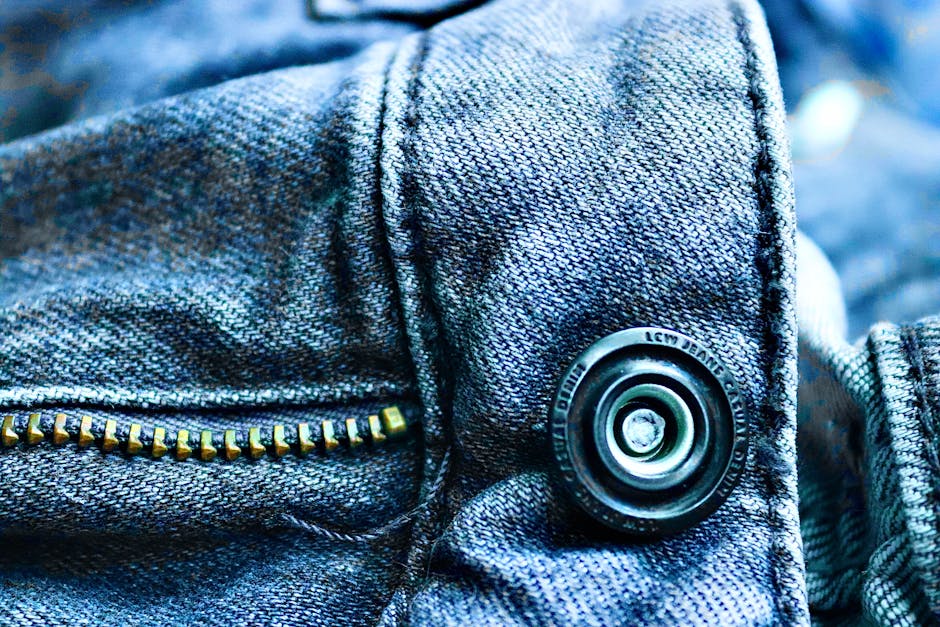
This is where many people get it wrong. Raw denim isn’t just a color; it’s a state. Washed denim is… well, it’s been washed. The difference is massive, not just in appearance but in how the jacket will age and feel. Choose poorly, and you’ll regret it.
| Feature | Raw Denim Jacket | Washed Denim Jacket |
|---|---|---|
| Initial Feel | Stiff, rigid, unyielding. Needs breaking in. | Soft, pliable, comfortable from day one. |
| Appearance | Deep, uniform indigo. No pre-distressing. | Varies: light blue, faded, distressed, acid wash. |
| Fading & Patina | Develops unique, personal fades over time (honeycombs, whiskers). | Fades are pre-set. Less unique wear patterns. |
| Longevity | Extremely durable once broken in. Forms to your body. | Generally durable, but pre-distressing can weaken some areas. |
| Maintenance | Wash infrequently (months to years) to preserve fades. | Wash as needed, more forgiving with cleaning. |
Initial Feel and Break-In
Raw denim jackets are a commitment. They feel like cardboard straight out of the box. You’ll need to wear it, beat it up, live in it for months before it truly becomes comfortable. This is part of the appeal for enthusiasts: the jacket slowly molds to your body, becoming uniquely yours. Washed denim, on the other hand, is soft and comfortable from the first wear. It’s been treated to mimic the feel of a broken-in garment. If you want instant gratification, go washed. If you want a journey, go raw.
Fading Potential and Patina
This is the core differentiator. Raw denim develops a unique patina. Creases form behind the elbows (honeycombs) and around the chest/shoulders (whiskers), fading to a lighter blue where friction is highest. These fades are a visual diary of your life with the jacket. Washed denim already has these fades and distress marks pre-applied. They won’t evolve much further. You’re buying a finished product. With raw, you’re buying a blank canvas. Understand what you’re signing up for.
Maintenance and Care
Washing raw denim too early or too often kills the fading process. Most raw denim purists recommend holding off washing for at least six months, sometimes even a year or more, spot-cleaning as needed. When you do wash, it’s often a cold soak or a gentle machine wash to minimize indigo loss. Washed denim is far less precious. Treat it like any other piece of clothing; toss it in the machine. It’s low-stress. If you’re not prepared for the raw denim ritual, don’t pretend you are.
Oversized Denim: When To Avoid It
Just don’t. Seriously. Unless you’re going for a very specific, deliberately anti-fit, 90s skater vibe that you actually understand, an oversized denim jacket looks sloppy. It swallows your frame, negates any sense of tailoring, and makes you look like you borrowed your dad’s jacket from 1987. A proper denim jacket should fit. Period. There are no exceptions for most people.
Finding Your Fit: Sleeve Length and Torso

Fit is everything. A poorly fitting denim jacket ruins the entire look, no matter how good the design or denim. This isn’t rocket science, but people still mess it up constantly.
How long should denim jacket sleeves be?
Your sleeves should end right at your wrist bone, or just slightly above. When you stand with your arms relaxed, the cuff should not hang over your hands. If it does, the sleeves are too long, and it looks like you’re playing dress-up. If they’re noticeably short, well, that’s just goofy. Aim for that sweet spot: wrist bone, maybe a quarter-inch above. No exceptions.
What’s the ideal chest and shoulder fit?
The shoulders are the most critical point. The seam should sit directly on top of your shoulder bone, not hanging off, not pulling inwards. The chest should be snug but not restrictive. You should be able to button it up without feeling like you’re going to burst a seam. A good test: hug yourself. If it feels like the jacket is tearing, it’s too tight. If there’s huge excess fabric bunching up, it’s too loose. It’s not a tailored suit, but it’s also not a tent.
Should your denim jacket button comfortably?
Yes, absolutely. While many people wear denim jackets open, it’s crucial that you can button it comfortably. This is the ultimate test of proper fit in the torso and chest. If you can’t button it without a struggle, or if it pulls awkwardly, the jacket is too small. If it buttons easily but leaves a ton of extra fabric, it’s too big. The buttons should meet without straining the fabric, allowing for natural movement without restricting your breathing. If you plan to layer heavily underneath, size up one, but maintain that comfortable button-up potential.
Beyond Blue: Exploring Alternate Denim Washes
Blue denim is king, but it’s not the only option. Expanding your denim jacket repertoire beyond classic indigo opens up new styling possibilities. These aren’t just novelties; they’re legitimate alternatives that deserve a spot in your wardrobe rotation.
-
Black Denim: A Wardrobe Staple
A black denim jacket is just as versatile as its blue counterpart, sometimes more so, depending on your personal style. It offers an edgier, more refined look. Brands like Lee and Nudie Jeans excel in black denim, often offering both true black and washed charcoal options. Black denim pairs effortlessly with black jeans for a sleek monochrome look, or it can ground a brighter outfit. It’s less casual than blue, making it suitable for slightly dressier occasions where blue might feel out of place. This is a non-negotiable for a well-rounded wardrobe.
-
White Denim: The Seasonal Statement
White denim jackets are undeniably specific, but they make a powerful statement. They’re best reserved for warmer seasons, instantly adding a fresh, clean, and often luxurious feel to an outfit. Don’t even think about wearing it in winter unless you enjoy looking out of place. White pairs exceptionally well with light-wash jeans, khaki chinos, or even tailored trousers for an unexpected twist. It’s a bold choice, but when done right, it elevates your style. Just be prepared for the maintenance; white shows everything.
-
Grey and Distressed Options
Grey denim jackets offer a softer, more muted alternative to black, perfect for a modern, minimalist aesthetic. They can range from light charcoal to nearly black, providing a bridge between your lighter and darker denim pieces. Distressed options, with their rips, tears, and pre-worn details, are for those who prefer an instantly lived-in, rebellious vibe. However, be wary: poorly executed distressing looks cheap and fake. Stick to reputable brands like Levi’s or Wrangler that understand how to distress denim authentically, or you’ll look like a fool.
Layering a Denim Jacket: The Definitive Rules
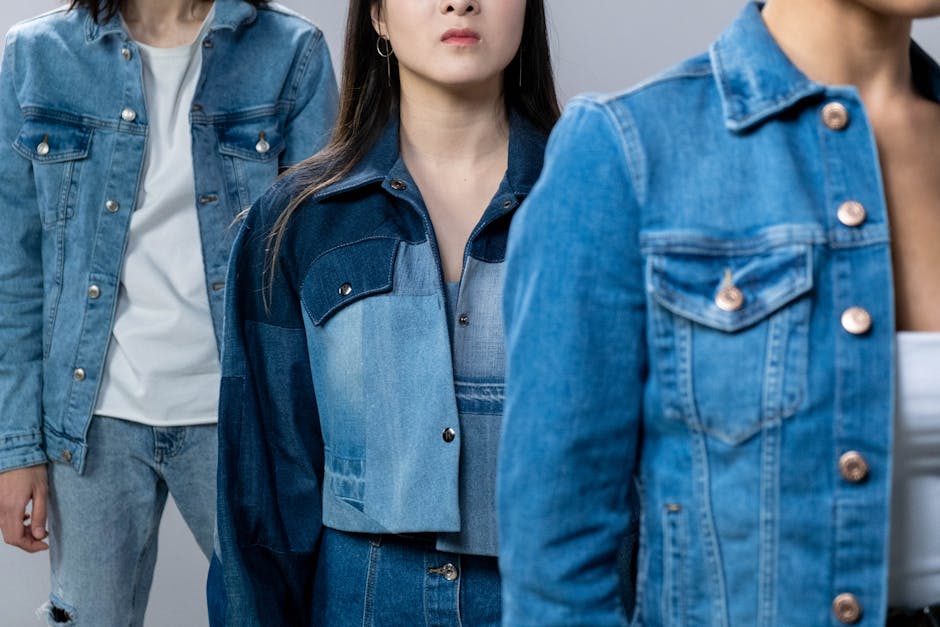
A denim jacket is an excellent layering piece, but there are rules. Break them at your peril. It’s about proportion, texture, and common sense. Don’t just throw things together and hope for the best.
The key to successful layering with a denim jacket is ensuring each piece has its own space without creating bulk. Your base layer should be relatively thin. The jacket itself should be a mid-layer, not your heaviest outer coat. The collar is crucial; make sure it doesn’t clash with what’s underneath or over it. Think of the denim jacket as a versatile sandwich component, not the whole meal. Its inherent structure makes it perfect for adding definition without overheating you.
The Art of Under-Layering
Keep it simple. A T-shirt, a thin long-sleeve tee, or a slim-fit button-down shirt are ideal under a denim jacket. The goal is to avoid bulk. A crew-neck sweater can work if it’s not too chunky. If you try to cram a thick flannel or a cable-knit under a standard-fit denim jacket, you’ll look like a stuffed sausage. The denim jacket is relatively structured, so anything underneath it should be relatively unstructured or slim-fitting. This maintains a clean silhouette and allows for comfortable movement. No one wants to look like they can’t lift their arms.
Over-Layering: Hoodies and Outerwear
This is where things get interesting. A hoodie under a denim jacket is a classic for a reason: the hood provides visual interest and a casual vibe. Make sure the hoodie isn’t too thick, or you’ll be back to the stuffed sausage problem. For true over-layering, consider a denim jacket under a trench coat, a wool peacoat, or a parka. The denim jacket acts as a mid-layer, adding warmth and texture. The key here is that the outer coat needs to be significantly larger and longer than the denim jacket. A denim jacket peeking out from under a topcoat looks intentional. A denim jacket that’s the same length or longer than your topcoat looks utterly ridiculous. Get your proportions right.
Double Denim: Master The Look
Yes, you can wear double denim without looking like a cowboy from a bad 80s movie. The trick is contrast. Your denim jacket and your denim pants should be distinctly different washes. A dark-wash jacket with light-wash jeans works. A light-wash jacket with black jeans works. What doesn’t work? Identical washes. That’s how you get into Canadian tuxedo territory, and frankly, it rarely works unless you’re a rockstar with an impossibly good stylist. Also, consider different textures: rigid raw denim on top, slightly faded softer denim on the bottom. Break it up. It’s not that hard.