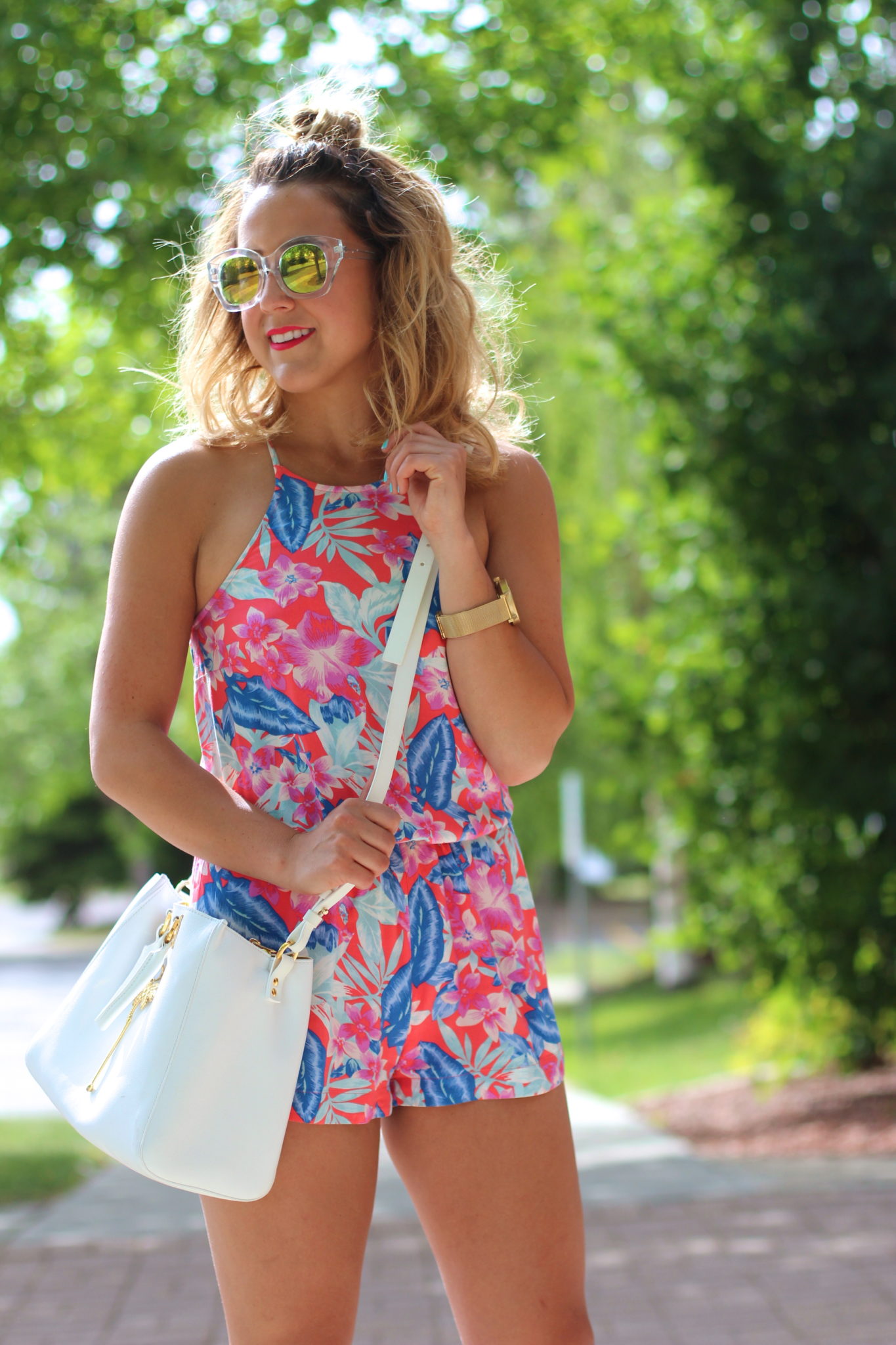
At 8:12 on a Tuesday, I used to stand in front of a full closet wearing one shoe and holding three rejected tops. The problem was not a lack of clothes. It was that most pieces had one awkward detail, one difficult washing rule, or one outfit they worked with.
I cut my work wardrobe to 20 dependable items. That sounds strict, but it gave me more outfits because every piece had several useful partners. My mornings became faster, laundry became easier, and I stopped buying clothes for an imaginary version of my job.
Why a Smaller Work Wardrobe Made Mornings Easier
The real problem was too many weak choices
A work wardrobe has one basic job: help you get dressed for the situations you actually face. Mine needed to handle video calls, ordinary office days, client meetings, rainy commutes, and the occasional dinner after work. Instead, I had clothes for a polished office, a creative office, a summer office, and a fantasy promotion that never required a different dress code.
The useful question became simple: can I wear this item at least three ways, and can I reach for it when I am tired? If the answer was no, the item left the rotation. That rule removed most of the morning debate.
The three tests that earned a place
Every piece had to pass three tests. It needed a comfortable fit while sitting for several hours, a color that worked with at least four other items, and care instructions I could manage during a normal week. I also checked the mirror from the side and back because office clothes that look fine from the front can pull, gape, or bunch when you move.
My verdict: 20 items is enough for a standard office wardrobe if each item solves more than one problem. The number matters less than the rules behind it, but a fixed limit stopped me from keeping expensive clothes that only looked good on a hanger.
The 20 Items I Actually Kept in Rotation

The winning formula was 14 clothing pieces and six accessories. I chose quiet colors first, then added texture through knits, polished leather, and one soft accent color. Here is the full list.
- Black ankle-length trousers
- Charcoal wide-leg trousers
- Navy straight-leg trousers
- Dark straight-leg jeans, only for offices that allow denim
- Navy midi skirt
- Black sheath dress
- White poplin shirt
- Pale-blue button-down shirt
- Ivory shell top
- Black fine-knit top
- Merino crewneck sweater
- Lightweight cardigan
- Navy single-breasted blazer
- Soft camel sleeveless vest
- Black leather loafers
- Low block-heel pumps
- Clean leather sneakers
- Black leather belt
- Structured work tote
- Small gold hoop earrings
I did not buy five versions of the same black trouser. One pair is slim, one is wide, and one is a straight cut. That small difference changes the outfit without adding clutter.
My second tip is to keep one outfit formula visible in your head: tailored bottom, simple top, optional layer, practical shoe. My third is to reserve the dress and blazer for days when I need to look finished quickly. They are my emergency outfit, not special-occasion pieces.
Where I Spent Money—and Where I Didn’t
Spend on fit and high-use accessories; save on simple layers. That was the budget rule that made the wardrobe feel more expensive than it was. I paid for pieces that touched my body all day or carried everything I needed, then kept basic tops within a price range that did not make laundry stressful.
| Wardrobe slot | Example I used | Price paid | Why it earned space |
|---|---|---|---|
| Everyday trousers | Everlane The Dream Pant | $88 | Stretch fabric, clean waistband, and a shape that works with flat shoes |
| Simple blouse | Uniqlo Rayon Blouse | $39.90 | Easy color matching and a relaxed fit under a blazer |
| Warm layer | Quince Mongolian Cashmere Cardigan | $119.90 | Light enough for an office and polished over a shell top |
| Daily shoe | Sam Edelman Loraine Loafer | $150 | More supportive for commuting than a thin ballet flat |
| Work bag | Cuyana Classic Easy Tote | $268 | Fits a laptop, lunch, notebook, and a small umbrella |
I spent less on the white and pale-blue shirts because those pieces face the most washing and occasional makeup marks. I would rather replace a $40 blouse than worry about damaging a $180 one during a rushed morning.
Do not copy my prices as a rule. Copy the pattern. If you work from home four days a week, a premium commuter shoe may be wasted money. If you carry a laptop every day, a flimsy tote will annoy you faster than a basic shirt ever will. For my routine, the loafer and tote were the best upgrades, while branded basics were not worth the extra cost.
The Wardrobe Mistakes That Still Cost Me Time

My strongest advice is to remove every item that needs a rescue plan. A shirt that only works with a certain bra, trousers that need special underwear, and shoes that hurt after 20 minutes are not versatile pieces; they are delayed problems waiting for a busy morning.
I also stopped buying clothes for a future body, future job, or future confidence level, because those purchases occupied prime closet space while offering no reliable outfit today.
The most common mistake is owning too many statement items before securing enough bottoms, layers, and comfortable shoes, so I now require every unusual piece to work with at least three existing outfits before I buy it.
Finally, I keep laundry in the calculation: if a wardrobe needs dry cleaning every week, delicate hand washing, or ironing before every wear, the real cost is time, not just money, and that item loses to an easier alternative.
How to Keep the 20 Pieces Working All Week
How many outfits can 20 items create?
My 20 pieces create about 25 reliable combinations, but I do not plan all of them in advance. I repeat the combinations that feel good and change one element when I want variety. The goal is not to prove that every item can touch every other item. The goal is to make five workdays feel covered without a closet full of backups.
What should be replaced first?
Replace the item that causes the most outfit failures, not the item that looks oldest. For me, that was an uncomfortable shoe. For someone else, it may be a shirt that wrinkles before the commute or trousers that cannot handle sitting. Track the problem for two weeks, then replace that single weak link.
When should someone avoid a 20-item wardrobe?
Do not force this system if your job requires uniforms, frequent travel between climates, or protective clothing. Use the same logic within each work setting instead: keep a small group of pieces that fit, wash well, and solve your real schedule. My mornings improved because the wardrobe matched my life, and that remains the part worth carrying into the next season.