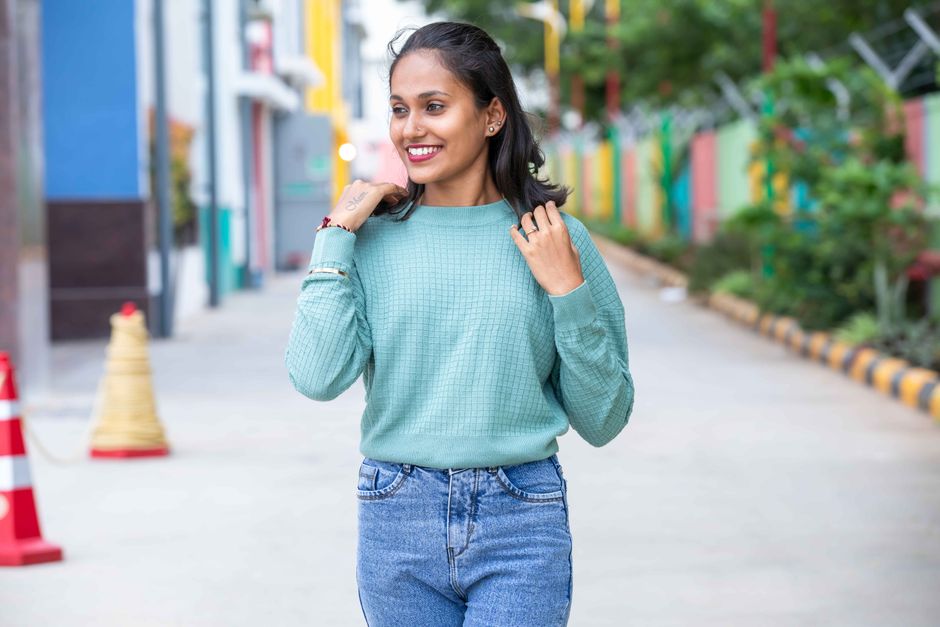
The most expensive jeans are not automatically the best jeans. A $250 pair can fit badly, while a $50 pair can become a weekly favorite because the cut, rise, fabric, and stitching match the wearer’s body and routine.
The right way to judge a denim label is to separate four things: fit consistency, fabric quality, construction, and value over time. This world best jeans brands list ranks recognizable names by those measures, then matches each one to a specific type of shopper. The strongest overall choice is Levi’s for range and reliability, but Wrangler wins for hard wear, Nudie Jeans leads for repairable premium denim, and AGOLDE is the clearest choice for fashion-led fits.
How to Judge a Jeans Brand Before You Buy
A jeans brand earns a place on a serious shortlist when it solves a real clothing problem. Jeans need to hold their shape, survive repeated washing, sit correctly at the waist, and work with the shoes and tops already in a wardrobe. A famous logo cannot fix a waistband that gaps or a thigh area that pulls across every pocket.
Start with the rise and seat
The rise is the distance from the crotch seam to the top of the waistband. A low rise sits below the natural waist and can feel restrictive when the wearer sits. A mid rise usually gives the most flexible daily fit. A high rise creates a longer leg line and can prevent the waistband from sliding, but it may feel tight across the stomach if the cut is too shallow in the front.
The seat matters just as much. If horizontal wrinkles spread from the fly toward the hips, the jeans may be too tight through the seat. If the fabric collapses beneath the back pockets, the cut may be too generous. Try sitting, walking, and climbing stairs before deciding. A pair that only looks good while standing is not a successful fit.
Read the fabric, not just the label
Rigid denim, often made from 100% cotton, changes more with wear and usually feels firmer at first. Stretch denim adds elastane, often between 1% and 3%, for easier movement. That small percentage changes the experience: 1% stretch can preserve a traditional denim feel, while 2% to 3% creates a softer, closer fit but may lose shape faster if the jeans are worn very tight.
Denim weight also affects performance. Lightweight fabric around 8 to 11 ounces feels cooler and breaks in quickly. Midweight denim around 12 to 14 ounces offers a better balance for everyday wear. Heavy denim above 15 ounces can last for years, but it needs patience, warmer clothing, and a longer break-in period. For most wardrobes, a midweight straight or relaxed-tapered jean is the safest first purchase.
Check construction and sizing consistency
Look for secure belt loops, clean topstitching, reinforced pocket corners, a flat zipper or button fly, and a hem that does not twist. Sizing consistency matters more than a single impressive pair. A brand with stable measurements across several seasons saves time and lowers the risk of buying the wrong size online.
Verdict: Judge a jeans brand by repeatable fit and useful fabric choices before judging its reputation. A well-cut midweight pair will serve more people than an expensive pair built around a difficult trend shape.
World’s Best Jeans Brands Compared by Strength
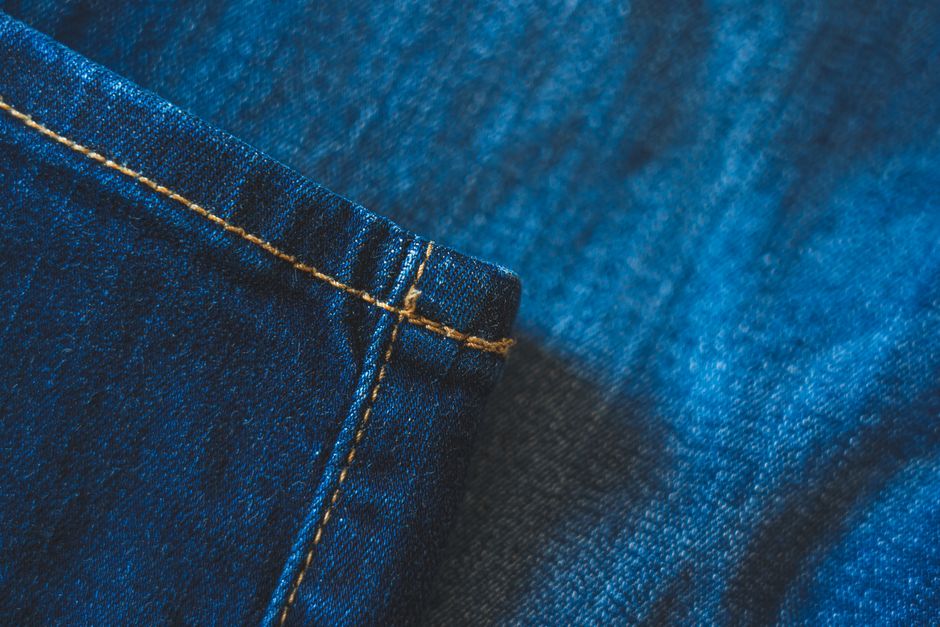
These brands do not win for the same reason. The table separates heritage value, durability, style direction, and price so the ranking stays useful instead of turning into a popularity contest.
| Brand and model | Signature fit or fabric | Typical retail range | Best use | Main drawback |
|---|---|---|---|---|
| Levi’s 501 Original | 100% cotton options, button fly, straight leg, mid rise | $80–$100 | Reliable everyday denim | Rigid versions need break-in time |
| Wrangler Cowboy Cut 13MWZ | 100% cotton, high rise, close seat, boot-friendly leg | $40–$60 | Workwear and riding | Firm western shape |
| Lee 101 Rider | Heritage-inspired straight fit, durable cotton denim | $90–$150 | Classic casual dressing | Less available in some markets |
| Nudie Jeans Steady Eddie II | Relaxed top block, tapered leg, organic cotton options | $180–$220 | Repairable premium denim | High starting price |
| AGOLDE 90s Pinch Waist | High rise, relaxed straight leg, fashion-led silhouette | $190–$220 | Modern oversized styling | Premium price for trend-driven cuts |
Levi’s is the overall winner because it offers the widest range of rises, leg shapes, washes, and price points. The 501 Original is the safest starting point for shoppers who want a recognizable straight jean that can move between casual and slightly polished outfits.
Wrangler takes the durability award. The Cowboy Cut 13MWZ has a high rise, a firm seat, and a leg designed to sit over boots. It is a poor choice for someone seeking a soft, drapey fashion jean, but it is the strongest value for work, outdoor wear, and repeated use.
Nudie Jeans is the premium choice for buyers who care about long-term repair. Its Steady Eddie II gives more room through the upper block than a slim jean while keeping a tapered outline. AGOLDE wins for current proportions, especially when a high waist and relaxed leg are the main styling goal. The tradeoff is simple: AGOLDE delivers a stronger fashion silhouette, while Nudie offers a stronger repair-and-wear philosophy.
Which Jeans Brand Fits Your Body and Wardrobe?
Body shape does not determine one correct jean. Proportion, movement, rise preference, and styling habits matter more than a label such as pear, apple, or athletic. Use the questions below to narrow the field before you visit a store or place an online order.
Which brand works best for a straight, classic silhouette?
Choose Levi’s 501 Original or Lee 101 Rider. The Levi’s pair has a familiar straight leg and button fly, so it works with sneakers, loafers, boots, and a tucked shirt. The Lee 101 Rider is the better pick for someone who wants a slightly more heritage-focused look and a fabric that feels less fashion-seasonal. For a clean first pair, Levi’s is the stronger recommendation because replacement sizing and wash options are easier to find.
Which jeans suit strong thighs or active movement?
Wrangler Cowboy Cut 13MWZ is the most practical answer when a secure seat and room for movement matter more than softness. The firm cotton fabric and boot-cut opening are designed around workwear needs. Someone who does not wear boots should choose a relaxed or athletic cut from Levi’s instead, because the 13MWZ leg can look awkward with narrow sneakers.
Which brand is best for a fuller seat or a relaxed outfit?
Nudie Jeans Steady Eddie II is the clearest premium option. Its relaxed upper shape prevents the tight pulling that often appears in slim cuts, while the taper keeps the ankle from looking shapeless. AGOLDE 90s Pinch Waist is better for a high-rise, loose-leg outfit, but its structured waist can feel unforgiving after a large meal or during long travel days.
Which jeans work for a shorter frame?
Pick the brand with the most useful inseam choices, not the brand with the narrowest leg. Levi’s usually offers more length options and easier hemming. A straight leg that ends just above the shoe will look cleaner than an oversized pair pooling heavily at the ankle. Avoid buying a very long inseam and folding it into a thick cuff; that adds bulk and can change the balance of the outfit.
Fit verdict: Levi’s is the best all-rounder, Wrangler is best for firm workwear, Nudie is best for a relaxed premium fit, and AGOLDE is best for a high-rise fashion silhouette.
Best Jeans Brands for Different Budgets
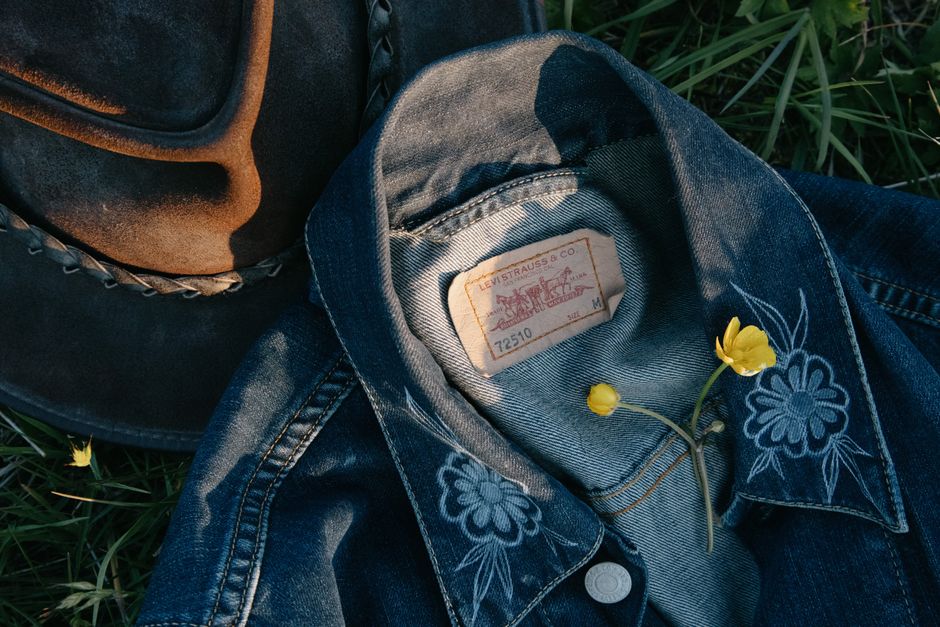
Budget should shape the buying strategy, not decide the quality in advance. A cheaper pair worn twice a week for three years can offer better value than a luxury pair that only works with one outfit.
- Under $75: Choose Wrangler Cowboy Cut 13MWZ when durability is the priority. Its firm cotton construction and low retail price make it the strongest workwear value. If the western cut does not suit your wardrobe, look for a sale-priced Levi’s 501 rather than buying a stretch jean that already feels loose in the fitting room.
- $75–$125: Choose Levi’s 501 Original. This is the most balanced price range for a first serious pair. Pick rigid cotton for structure or a small amount of stretch for daily comfort. Avoid paying extra for decorative distressing; plain dark or medium washes give you more outfit options.
- $125–$175: Choose Lee 101 Rider if you want heritage details and a less common alternative to Levi’s. The extra cost makes sense when the fabric, stitching, and shape feel noticeably better on your body. It does not make sense if the jeans need major alterations at the waist and hem.
- $175–$225: Choose Nudie Jeans Steady Eddie II for premium denim with a relaxed shape and a repair-minded brand identity. This is the best spending tier for someone who plans to wear one pair often, wash it carefully, and repair small holes instead of replacing the jeans.
- Above $225: Choose AGOLDE 90s Pinch Waist only when its high-rise, relaxed-straight silhouette solves a specific wardrobe need. The price is hard to defend for a basic dark jean, but it can be justified for a distinctive cut that works with several jackets and shoes already in the closet.
The strongest value sits in the middle. Levi’s offers enough fit variation to prevent a costly mistake, while Wrangler gives better toughness per dollar. Premium denim becomes worthwhile when the wearer values fabric character, repair, or a hard-to-find proportion.
Budget verdict: Spend more on a fit you will wear twice a week, not on a brand name that only looks impressive on the receipt.
Why Premium Denim Costs More
Premium denim is not automatically stronger. The price can reflect better cotton, smaller production runs, complex dyeing, higher labor costs, Japanese or Italian fabric, repair services, or simply a powerful fashion label. Only some of those benefits improve daily wear.
Fabric and dye affect the experience
Premium rigid denim often starts stiff because the mill uses a dense weave and fewer softening treatments. Over time, movement creates personal fading at the thighs, knees, and pocket edges. That change appeals to denim enthusiasts, but it is not a practical advantage for someone who wants jeans to feel comfortable immediately.
Stretch fabric follows a different path. It feels easy from the first wear, yet tight sizing can overwork the elastane. If the waistband and thighs are already under strong tension, the jeans may bag at the knees or lose recovery sooner. A premium price does not prevent that failure. Correct sizing does.
Construction can justify part of the cost
Dense stitching, chain-stitched hems, reinforced pocket corners, sturdy hardware, and repair access can add real value. A brand that provides free or low-cost repairs offers a stronger ownership model than a label that sells expensive jeans with no aftercare. Still, a decorative leather patch or a rare button does not matter if the jeans rub, pinch, or spend most of the year in a drawer.
When not to buy premium denim
Do not buy a $200-plus pair if you are still unsure about your preferred rise or leg shape. Start with a less expensive straight or relaxed pair, learn how it behaves after ten wears, then invest in a premium version of that proven shape. Also skip rigid heavy denim for hot climates, frequent travel, or a job that requires constant bending. Lightweight stretch denim will serve those needs better, even if it has less character.
Premium verdict: Pay extra for a stable fit, repair support, and fabric you genuinely enjoy wearing; never pay extra for stiffness, branding, or a trend that limits your outfits.
The Mistakes That Make Good Jeans Look Bad
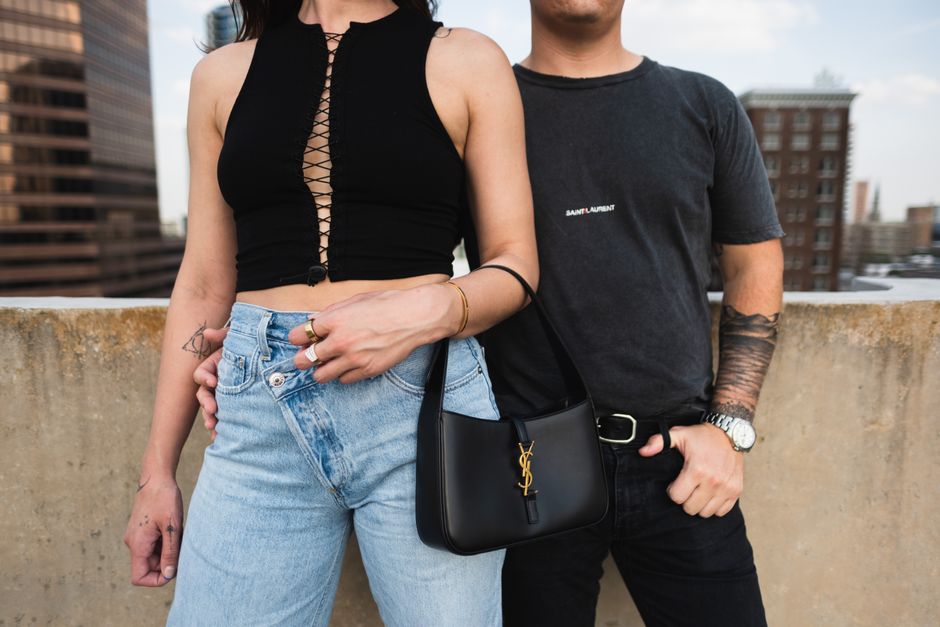
Many denim disappointments begin after purchase. The jeans may be well made, but the buyer chooses the wrong size, washes them too aggressively, or alters them without considering the original proportions.
- Buying the size that looks tightest. Denim should sit securely without forcing the fly open or creating sharp stress lines at the hips. Stretch jeans may relax slightly, but they will not solve a waistband that is clearly too small.
- Ignoring the back rise. A low back rise can expose skin when you bend, even when the front looks fine. Sit in the fitting room and reach toward the floor. If the waistband drops far below the shirt line, choose a higher rise.
- Hemming before testing the shoes. The correct length changes with sneakers, boots, and loafers. Wear the shoes you use most often and keep enough break for the leg shape. A straight jean usually looks clean with little or no pooling; a boot cut needs enough length to cover the heel.
- Washing after every wear. Frequent hot washing fades color, weakens fibers, and can change the fit. Air the jeans between wears and wash them inside out in cold water when they need cleaning. Follow the care label for sanforized or coated denim.
- Using strong heat in the dryer. Heat can shrink cotton and damage stretch fibers. If the jeans fit perfectly, air-dry them. If they need minor tightening, a short low-heat cycle is safer than a full hot tumble.
- Choosing distressing over versatility. Large rips and heavy fading reduce the number of settings where the jeans look appropriate. A dark, medium, or evenly faded wash gives a wardrobe more combinations.
- Assuming every model fits the same. A brand can make a 501, a skinny cut, a relaxed taper, and a wide leg with very different measurements. Check the exact model, rise, inseam, fabric content, and return policy each time.
The biggest mistake is keeping jeans that require constant adjustment. Pulling up the waistband, hiding a gap with a belt, or avoiding certain shoes is evidence that the cut is wrong. Alterations can fix length and a small waist gap, but they cannot fully rescue a poor rise or an overly tight seat.
Mistake verdict: A comfortable pair that needs one simple hem is a better purchase than a fashionable pair that demands daily fixing.
Which Jeans Brand Should You Choose?
Choose Levi’s 501 Original when you want the safest all-purpose straight jean and the widest path to future replacements; choose Wrangler Cowboy Cut 13MWZ when work, riding, boots, and durability come first; choose Lee 101 Rider when heritage styling matters; choose Nudie Jeans Steady Eddie II when relaxed premium denim and repairability justify the higher cost; and choose AGOLDE 90s Pinch Waist when a high-rise, fashion-led silhouette is the main reason to buy. The single most important takeaway is this: the world’s best jeans brand is the one whose rise, seat, fabric, and leg shape match your real wardrobe and daily movement.