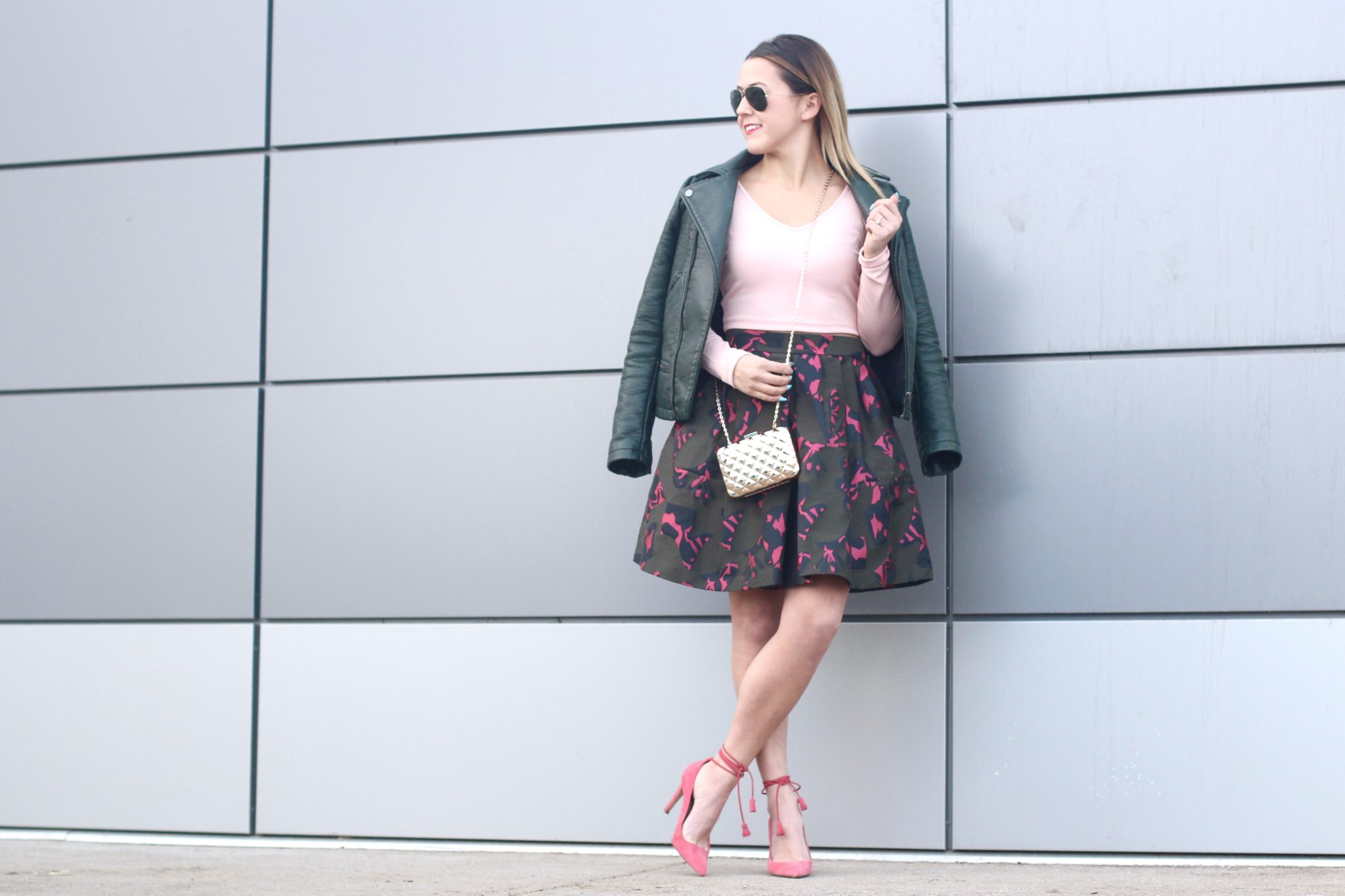
You are standing in front of your closet at 7:40 a.m. The black trousers work, but the outfit feels flat. The jeans feel too casual. The blouse is trendy but looks like it belongs to someone else. That is the real problem with fashion over 40: not a lack of clothes, but too many pieces without a clear point of view.
The best fashion for over 40 is polished, comfortable, and specific. It does not hide your body or chase every trend. It gives each outfit a clean shape, useful fabric, and one detail that feels current.
Best Fashion for Over 40 Starts With Better Proportion
Fit matters more than age. The winning wardrobe has balance: a relaxed top with a sharp trouser, a fitted knit with a fuller skirt, or a long blazer over a narrow base. The goal is not to make every piece tight. The goal is to make the outline of the outfit easy to read.
Use one relaxed piece at a time
Wide-leg trousers can look modern, but they need control somewhere else. Pair them with a tucked-in shirt, a neat knit, or a cropped jacket that ends near the waist. An oversized blazer needs a slimmer trouser or a clean column of color underneath. Wearing volume on top and bottom often creates bulk, even when every item is expensive.
Let the hemline do useful work
A trouser that stops at the widest part of the ankle can shorten the leg. Aim for a full-length hem that nearly touches the shoe, or a deliberate ankle crop that shows the narrowest part of the leg. For skirts, knee length to mid-calf usually looks more refined than an awkward hem just below the knee. Try the complete outfit with the actual shoes before removing a hem.
For most wardrobes, a straight or softly wide trouser, a structured jacket, and a fine-gauge knit create a better base than five statement pieces. This is the first clear verdict: build the silhouette before adding personality.
Use This Five-Step Fit Test Before Buying Anything
Do not buy a garment because the hanger looks good or because the size on the label feels reassuring. Run this test in the fitting room. It takes two minutes and prevents most expensive wardrobe mistakes.
- Check the shoulder line. On a jacket or shirt, the shoulder seam should end at your shoulder bone. If it drops several inches, the garment may look deliberately oversized or simply too large. Decide which one you want.
- Sit down. Trousers should not pull sharply across the stomach or cut into the waist. A skirt should stay in place when you cross your legs. Clothes that only work while standing are not good clothes.
- Raise both arms. If the armhole drags the whole shirt upward, the cut is wrong for you. Try a larger armhole or a softer fabric instead of automatically sizing up.
- Check the back view. Wrinkles that point toward a button, pocket, or center seam reveal tension. A smooth back usually makes the whole garment look more expensive.
- Photograph the outfit. Use the back camera, stand several feet away, and look at the full shape. Mirrors invite constant adjustments. A photograph shows the proportion honestly.
Know what tailoring can fix
A tailor can shorten sleeves, adjust a waist, lift a hem, and refine a trouser break. A tailor cannot turn a narrow shoulder into a broad one or make scratchy fabric feel soft. Buy the right shoulder, rise, and fabric first. Pay for small corrections later.
Reject the wrong garment quickly
Leave it behind if you need to tug, twist, or cover it every few minutes. A good outfit should survive walking, sitting, reaching, and carrying a bag. Comfort is not a bonus after 40. It is part of the visual result because uncomfortable clothes change your posture.
Choose Fabrics and Colors That Keep Outfits Sharp
Fabric changes the way an outfit hangs, wrinkles, and holds its shape. Color changes how many combinations you can make. Start with materials that earn repeated wear, then add color in controlled doses.
| Wardrobe need | Best fabric | Why it works | Best color base |
|---|---|---|---|
| Work trousers | Wool blend or ponte | Holds a crease and resists cling | Charcoal, navy, black |
| Layering knit | Fine merino or cotton | Lightweight, breathable, easy under a jacket | Ivory, navy, camel |
| Everyday shirt | Cotton poplin or lyocell | Clean surface with useful movement | White, blue, soft stripe |
| Weekend denim | Stretch cotton denim | Enough structure without stiff discomfort | Dark indigo, ecru |
| Summer dress | Linen blend or matte crepe | Airflow without looking flimsy | Olive, rust, cream |
Use contrast instead of decoration
A navy trouser with an ivory knit looks polished because the contrast is clear. A monochrome camel outfit looks refined because the texture does the work. Loud prints, shiny satin, and several competing colors can make an outfit look busy. Pick one focal point: the scarf, the shoe, the print, or the jewelry.
Buy texture with a purpose
Fine merino is useful for layering. Ponte is useful when you want a smoother trouser. Denim adds structure to a soft blouse. Texture should solve a problem, not sit in the closet as a special-occasion fantasy. The best fabric choice for most people over 40 is the one that keeps its shape after a full day.
The Best Outfit Formula Is Simple and Repeatable
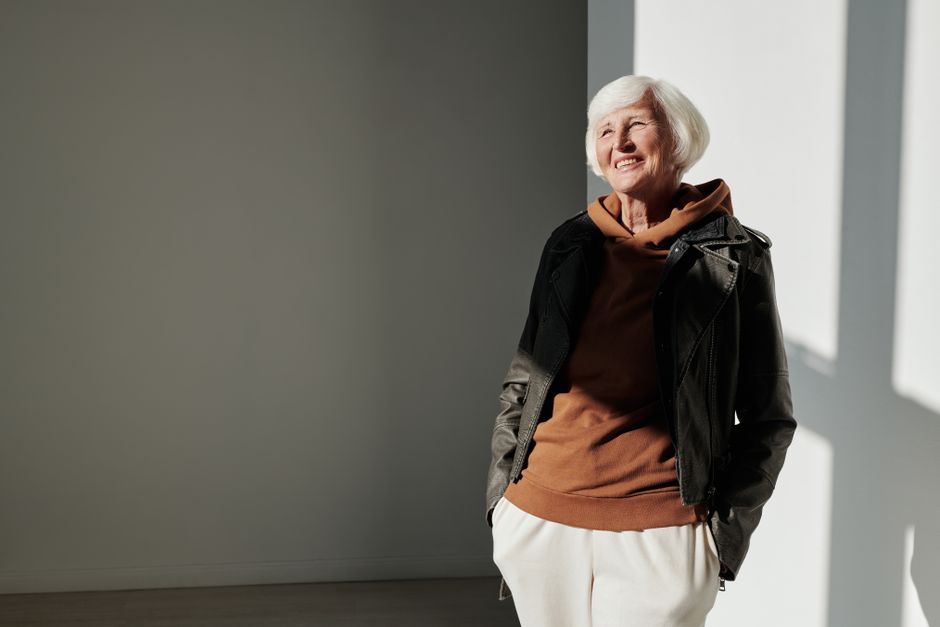
Start with a clean base, add one structured layer, then finish with one modern detail. A white shirt, straight-leg trousers, loafers, and a leather belt work for the office. Swap in dark jeans and a silk scarf for the weekend. Add a bold earring or red lip for dinner.
For work
Choose a jacket that ends around the hip, a trouser with a flat front, and a shoe with a stable heel or polished flat. Keep the pattern on one item.
For weekends
Wear dark denim, a fine knit, and a lightweight trench or overshirt. Clean sneakers are fine when the rest of the outfit has structure.
For dinner
Use one dark column underneath a jacket, long cardigan, or statement necklace. This formula is the verdict: polish comes from editing, not from adding more clothes.
Five Real Pieces Worth Adding to a 40-Plus Wardrobe
These are practical reference points, not a shopping order. Each piece solves a common wardrobe problem and has a clear job.
For layering: Uniqlo Extra Fine Merino Crew Neck Sweater
The Uniqlo Extra Fine Merino Crew Neck Sweater uses 19.5-micron merino wool, comes in sizes from XXS through XXL, and typically sells for about $40. It is thin enough for a blazer but more polished than a basic cotton sweatshirt. Choose navy, gray, or ivory. Skip it if wool makes you itch, because no price makes an irritating sweater useful.
For a smooth trouser: Spanx The Perfect Pant
Spanx The Perfect Pant is usually priced around $148 and uses a stretch ponte-style fabric with a pull-on waistband. It gives a clean line without a bulky front closure. The straight-leg version is the best choice for work and travel. Do not buy the ankle cut if it ends at the widest point of your calf; the full-length version is more flattering on most heights.
For denim and shoes: Levi’s 501 and Sam Edelman Loraine
Levi’s 501 Original jeans, often around $98, bring structure through a button fly, straight leg, and rigid-to-stretch denim options. They are better than very soft jeggings when you want jeans that hold an outfit together. For shoes, the Sam Edelman Loraine loafer, commonly around $150, adds a polished finish with a low heel and structured upper. Choose the loafer over a sneaker when the rest of the outfit is relaxed. Choose the sneaker when you will walk for hours. That tradeoff is practical, not a style failure.
My strongest buy is the merino sweater because it works across work, travel, and weekends. My strongest trouser pick is Spanx for a smooth office base. The Levi’s 501 wins for casual structure.
What Makes Fashion Over 40 Look Frumpy?
Should you stop wearing trends?
No. Stop wearing trends that replace your shape. A current color, modern loafer, or fresh denim cut can update a familiar outfit. A head-to-toe trend costume usually looks less confident. Add one new idea to clothes you already know how to wear.
Are loose clothes always more comfortable?
No. Excess fabric can rub, collapse, and make movement harder. Look for room at the bust, waist, hip, and upper arm, then keep the rest of the garment controlled. Comfort comes from the right cut, not from buying two sizes too large.
What is the most common shopping mistake?
Buying for an imaginary life. Three satin dresses do nothing for a wardrobe built around school runs, office meetings, travel, or casual dinners. Buy the clothes your calendar needs. If you work from home most days, invest in strong tops, excellent trousers, and one jacket rather than a closet of formal dresses.
Return to that 7:40 a.m. closet problem. You do not need a new identity or a bigger wardrobe. You need a reliable base: one good trouser, one clean knit, one structured layer, and shoes that finish the shape. The outfit becomes easy because every piece has a job.