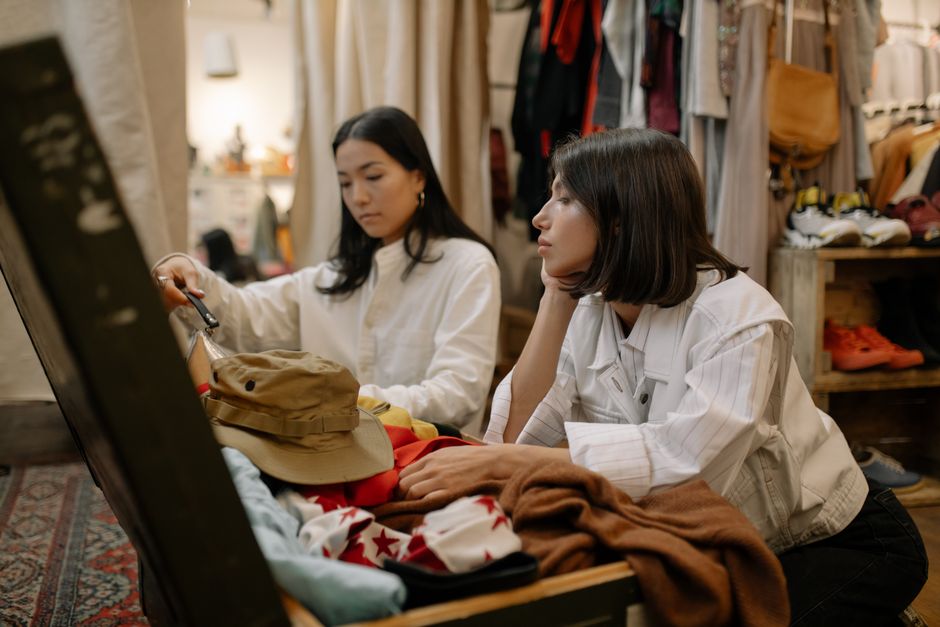
A common misconception is that every old garment counts as vintage and every vintage piece is a smart buy. Neither claim holds up. A secondhand item may be only a few years old, poorly made, badly stored, or priced above its real value. Good thrifting is closer to careful research than random treasure hunting. You need a way to date clothing, test its condition, judge the fit, and leave when the numbers do not work.
What Counts as Vintage Clothing?
Use age as a starting point, not proof
Many fashion sellers use vintage for clothing made at least 20 years ago, which means a garment from the early 2000s may qualify in 2026. That label does not tell you anything about quality by itself. A 1990s polyester top can be vintage, while a well-made 2010s wool coat is simply secondhand. The fabric, construction, label, stitching, hardware, and silhouette matter more than the word on a listing.
Learn why older construction can matter
Vintage clothing appeals to shoppers because it offers design details that mass-market stores may no longer produce: heavier denim, metal zippers, natural fibers, hand-finished seams, unusual buttons, and smaller production runs. It also solves a practical style problem. A distinctive older piece can make a basic modern outfit look personal without requiring a full new wardrobe. The best first purchase is not the rarest item. It is a wearable garment with clear construction quality, a manageable price, and a role in outfits you already wear.
Build a Thrifting Plan Before You Shop
The strongest thrift trips begin with limits. Walking into a large store with no target often leads to a crowded closet and several pieces that looked exciting only under fluorescent lights.
Write a narrow search brief
- Choose one garment category, such as wool blazers, cotton skirts, leather bags, or straight-leg jeans.
- Set a firm spending limit. For a first trip, $40 to $75 is enough for one useful piece.
- List two colors you will wear often and two colors you will leave behind.
- Measure your best-fitting garment at home. Record chest, waist, hip, rise, sleeve, and inseam measurements.
- Decide what flaws you can repair. A loose button is manageable; a moth-eaten lining may not be.
- Give yourself a time limit of 60 to 90 minutes so excitement does not replace judgment.
Use a three-question test
Ask: Can I name three outfits for this piece? Does the fabric and construction justify the price? Would I still buy it if the label were missing? If the answer to any question is no, put it back. This system works because it separates genuine wardrobe value from the thrill of finding something unusual. A good thrifted garment should earn regular wear, not just admiration on the day you bring it home.
How to Date a Thrifted Garment
Labels provide clues, but they rarely give a complete production date. Check several details together. A brand name can identify an era, yet labels changed across countries, license agreements, and factory periods. Treat dating as a probability judgment rather than a promise.
Compare the label, fabric, and hardware
| Clue | What to inspect | Useful signal |
|---|---|---|
| Care label | Country of manufacture and wording | Older labels may use fewer fiber details or different country names |
| Zipper | Brand, teeth, pull shape, and metal finish | Metal zippers often support an older date, but replacements are common |
| Fabric | Weight, weave, fiber content, and shine | Dense wool, sturdy cotton, and natural horn-style buttons can indicate quality |
| Silhouette | Shoulder width, rise, sleeve shape, and hem length | A period shape supports the date but does not prove it |
| Construction | Seams, lining, buttonholes, and hems | Even stitching and generous hems suggest better original workmanship |
Recognize brands without overpaying
Names such as Levi’s, Pendleton, Burberry, Barbour, and Laura Ashley can attract higher prices, but the label alone is not a reason to buy. A Levi’s 501 with a damaged crotch is not a bargain at $65. A Pendleton wool shirt with clean seams and no moth holes may be worth $35 to $60 in a local shop. A Burberry trench needs a sound lining, working belt, and authentic-feeling construction before its label adds value. Your verdict should follow condition and wearability, then brand history.
Inspect Condition Before You Pay
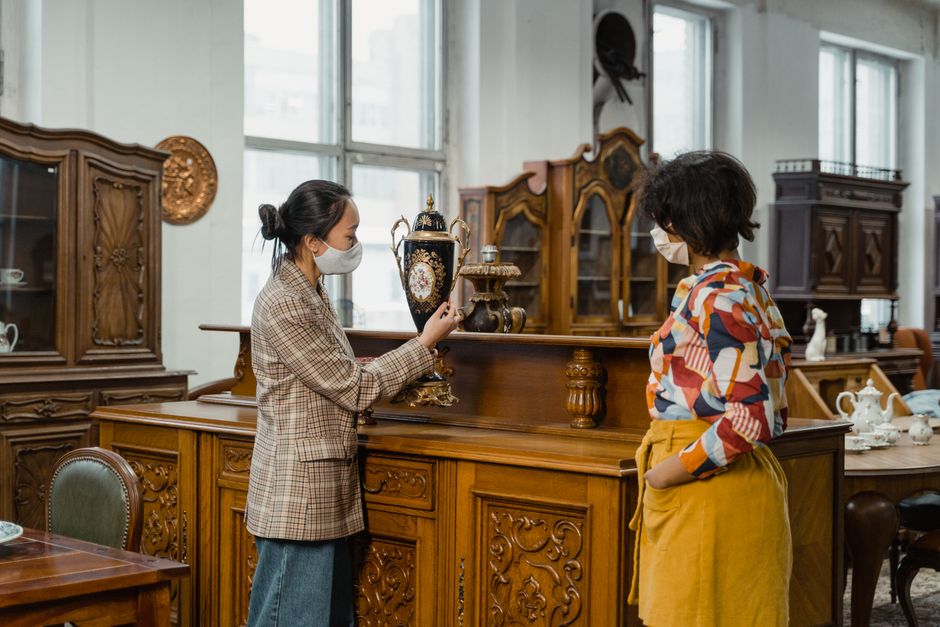
Condition matters more than rarity for a beginner. The most attractive vintage garment becomes expensive clutter when its repairs exceed your skill, time, or budget.
Check the hidden damage first
Hold the garment near a bright window. Look for thinning fabric at elbows, underarms, cuffs, seat seams, and inner thighs. Smell the lining and pockets for mildew or heavy fragrance. Open every zipper, fasten every button, and inspect the hem. For knitwear, stretch the fabric lightly to reveal weak areas. For leather, check for peeling, deep cracks, and a sticky surface. For a coat, examine the underarm lining and the seam where the sleeve meets the body.
Separate easy repairs from bad bets
- A missing button is usually a simple repair if a spare is attached inside.
- A loose hem is manageable when the fabric around it remains strong.
- A small surface mark may come out after professional cleaning, but do not assume home washing is safe.
- Moth holes across several panels usually signal a poor first purchase.
- Strong smoke or mildew odor can remain after cleaning and should reduce your offer sharply.
- Faded color is acceptable only when you genuinely like the faded look.
For a first vintage purchase, choose a garment that needs no urgent repair. You can learn restoration later, after you understand fabrics and your own patience.
How Should Vintage Clothing Fit?
Vintage sizing is not reliable enough for a buying decision. A marked size 10 from one decade may fit closer to a modern size 4, while a relaxed 1980s jacket can measure much larger than its label suggests.
Should you buy a piece that is too large?
Buy slightly large only when the shoulder line, armhole, rise, or waist placement can still work. A tailor can reduce a simple side seam, shorten a sleeve, or adjust a hem. Shoulder alterations cost more and can change the balance of a jacket. For trousers, extra waistband fabric helps, but a very low rise or narrow thigh usually cannot be fixed comfortably. Measure the garment flat and double the chest, waist, and hip numbers before comparing them with your own measurements.
When should you leave a perfect-looking piece?
Leave it when the fabric feels wrong, the arm movement is restricted, or the garment needs an expensive alteration. A $20 skirt that requires $60 of tailoring is a $80 skirt, not a bargain. Also leave pieces that fit only with constant tugging. Vintage style should add character to your wardrobe, not become a daily correction project.
Which Thrift Shopping Route Works Best?

There is no single best source. Each route gives you a different mix of price, selection, and risk. For beginners, local charity shops and estate sales usually offer the best learning environment because you can inspect garments in person.
Compare the main shopping routes
| Route | Typical first-purchase budget | Best use | Main risk |
|---|---|---|---|
| Charity shop | $8 to $35 | Practice checking fabric, fit, and labels | Uneven selection and limited measurements |
| Estate sale | $10 to $60 | Find older wardrobes with consistent sizing | Rush, dust, and weak return options |
| Vintage boutique | $35 to $180 | See edited examples and learn period details | Higher price for curation |
| Online marketplace | $20 to $150 | Search by exact brand, decade, or measurement | Misdated listings and hidden flaws |
Negotiate with evidence
Do not ask for a discount simply because you want one. Point to a missing button, damaged lining, or stain and make a calm offer based on repair cost. A fair opening offer is often 15% to 25% below the marked price when the seller allows negotiation. Pay the listed price when the garment is fairly valued and clean. The best route for most beginners is a local shop for learning, followed by online buying once you can read measurements and spot weak listings.
Style Your First Vintage Piece
Start with one period detail and keep the rest modern. This gives vintage clothing room to stand out without making the outfit look like a costume.
Build around a clear anchor
Pair a 1990s Levi’s 501 with a plain fitted knit and simple leather shoes. Wear a Pendleton wool shirt over a modern white T-shirt and straight trousers. Let a Barbour jacket lead an outfit built from current denim and clean sneakers. These combinations work because the older garment supplies texture, shape, or color while the modern basics control the proportions. Avoid matching every detail to one decade unless you are dressing for a themed event.
Use a first-wear routine
Photograph the garment before cleaning it. Read the care label, test any cleaner on a hidden seam, and keep wool, silk, leather, and structured tailoring away from casual machine washing. Wear the piece at home for an hour before taking it outside. Notice scratchy seams, slipping shoulders, tight armholes, or a hem that catches on shoes. If the garment passes that test, add it to at least three outfits and track how often you reach for it during the next month. That record tells you more than the excitement of the purchase.
This is not legal advice — consult a licensed attorney.