The best timeless denim style is a straight or gently tapered jean in a dependable wash, made from fabric that feels sturdy without making movement difficult. Start there, then check the rise, thigh room, hem, and care label before you buy. A classic pair should work with sneakers, loafers, boots, a blazer, and a plain T-shirt for years.
Denim lasts when the silhouette stays useful and the fabric matches your real routine. The most expensive pair is not automatically the best pair. A $270 raw selvedge jean can be a poor choice for someone who wants soft fabric today, while a $40 sale jean may fail after a few washes. Use this guide to choose by evidence instead of trend pressure.
What Makes Denim Style Timeless?
Choose a shape with a long styling history
Timeless denim does not mean boring denim. It means the cut can move through different outfits and still look intentional. Straight-leg jeans have stayed useful because they balance a fitted top, a roomy sweater, a cropped jacket, or a long coat. A subtle bootcut also has staying power when the knee is not too tight and the flare is not extreme. A relaxed jean works well when the seat and thigh have room but the leg does not swallow the shoe.
Trend-driven jeans often rely on one dramatic detail: an exaggerated puddled hem, extreme low rise, oversized cargo pockets, or heavy contrast fading. Those details may look fresh for a season, but they limit the number of outfits you can build. A classic cut gives you more cost per wear.
Read the fabric before trusting the label
Fabric weight affects comfort, structure, and wear. Lightweight denim around 8 to 10 ounces feels easy in warm weather but may lose its shape sooner. Midweight denim around 11 to 13 ounces gives better structure for daily use. Heavy denim from 14 ounces upward can last for years, but it often needs a break-in period.
Stretch changes the experience. One or two percent elastane can make sitting and walking easier, but too much stretch may cause bagging at the knees and waist. A classic pair should recover after you stand up. If the fabric stays rippled after a few minutes, the jeans are not earning a place in a small wardrobe. The lasting formula is a useful cut, a stable waistband, and fabric that recovers after movement.
Which Denim Cut Works Best for a Small Wardrobe?
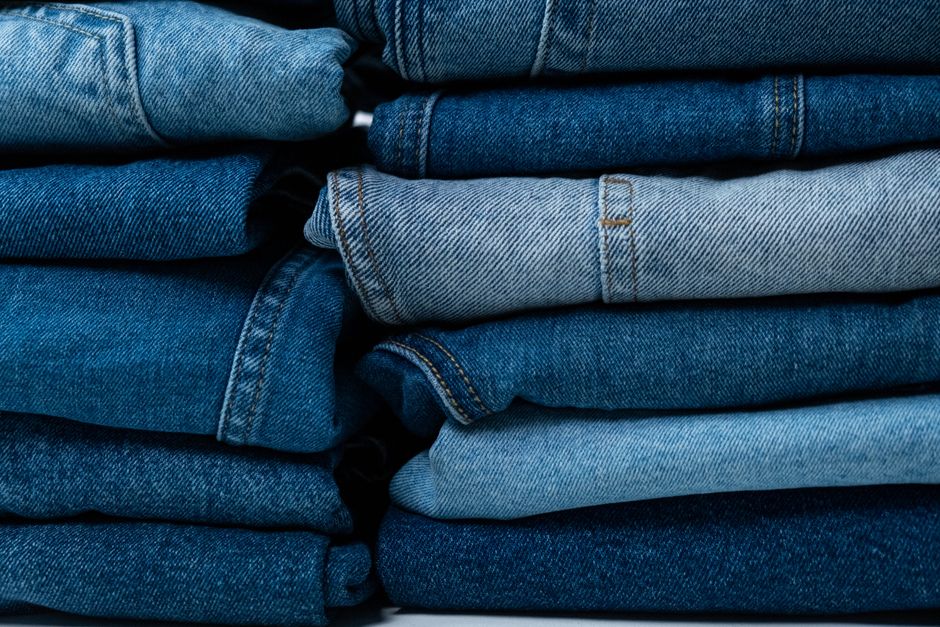
Use the table below as a fast filter. The best first pair is the one that matches your shoes and your weekly outfits, not the one that looks most dramatic on a product page.
| Cut | Best feature | Works with | Common problem |
|---|---|---|---|
| Straight leg | Balanced line from hip to hem | Sneakers, loafers, boots, ballet flats | Can look stiff if the rise is wrong |
| Relaxed straight | Extra room through seat and thigh | Fitted knits, tucked shirts, cropped jackets | Too much fabric can shorten the leg visually |
| Subtle bootcut | Creates a clean line over footwear | Heeled boots, clogs, slim trainers | Too much flare can date the look |
| Wide leg | Comfort and modern volume | Short jackets, fitted tees, platform shoes | Long hems drag and wear quickly |
| Tapered leg | Room above with a neat ankle | Chunky sneakers, ankle boots, flat sandals | Can feel tight at the calf |
Pick the first pair by footwear
If you wear sneakers most days, start with a straight leg that ends just above the shoe or touches the upper without folding. If boots dominate your wardrobe, choose a straight or subtle bootcut with enough hem width to sit over the boot. A wide leg needs a deliberate hem length; the fabric should hover just above the floor or break once over the shoe.
Use the wash as a styling tool
Dark indigo is the most flexible choice for polished outfits, dinners, and work settings that allow denim. Medium blue feels relaxed but still neat. Pale blue works best with warm-weather tops, leather accessories, and casual footwear. Black denim is useful for evening outfits, though a soft charcoal fade usually looks less severe than jet black. Start with one medium or dark wash before buying novelty colors.
How to Check Jeans Fit Before You Buy
A good fit should feel secure when you stand, sit, walk, and climb stairs. Do not judge jeans only from the front mirror. Denim often feels different after ten minutes of movement, and that is when the weak points show.
Follow this five-minute fitting test
- Check the waistband. Button the jeans without holding your breath. You should fit one or two fingers inside the waistband, but the back should not gap when you bend.
- Test the rise. Sit in a chair for one minute. The waistband should stay in place without cutting into your stomach or exposing the back of your shirt.
- Watch the pockets. Front pockets that pull open usually signal tension across the hips. Back pockets should sit on the fullest part of the seat instead of pointing downward.
- Walk and squat. Take ten steps, sit, and squat once. Tightness at the crotch, knee, or calf will not disappear through wishful thinking.
- Inspect the hem. Try the shoes you wear most. A hem that drags on the floor will fray, while a hem that stops at an awkward point can make the whole outfit look accidental.
Measure the pair that already works
Lay your best-fitting jeans flat and measure the waistband from edge to edge, the front rise from crotch seam to waistband, the thigh one inch below the crotch, and the inseam from crotch to hem. Double the waistband measurement and compare it with the brand chart. This is more reliable than assuming the same numbered size works across every label.
Do not size down just to force a firm fit. Rigid denim may loosen slightly through the waist with wear, but it will not grow in the thigh or change a rise that is too short. Buy the size that lets you move, then tailor the waist or hem if needed. A $15 to $30 alteration can save a pair that fits everywhere except one small area.
Which Timeless Jeans Are Worth the Money?
These are clear picks at different price levels. Prices were checked in 2026 and can change with sales, color, and size availability. The verdict matters more than the discount.
Best all-around pair: Levi’s 501 Original Jeans
The Levi’s 501 Original is the strongest starting point for most wardrobes. The listed price is around $84.95, and the style uses a straight leg, button fly, five-pocket construction, and 100% cotton non-stretch denim. A medium wash with a roughly 16.5-inch leg opening gives it enough room for sneakers and boots without looking oversized. Choose it for a dependable everyday jean that can move between casual and polished outfits.
The tradeoff is comfort during the first few wears. Non-stretch cotton can feel firm at the waist and seat. Buy the right size rather than expecting the fabric to solve a poor fit. For one pair that earns the most wears, the 501 Original is the winner.
Best comfortable classic: Madewell Perfect Vintage Jean
The Madewell Perfect Vintage Jean is the better choice for shoppers who want a classic high-rise shape with immediate ease. The regular price is $148, although the product page showed a lower sale price in some washes. Its 99% cotton and 1% elastane fabric adds a small amount of stretch, while the approximately 11-inch rise, tapered leg, and 29-inch inseam create a neat vintage-inspired shape.
Pick this pair for travel, long workdays, or anyone who dislikes rigid denim. Do not buy it expecting a fully traditional, no-stretch fade pattern. Its advantage is comfort and easy styling, not raw-denim character.
Best heirloom denim: 3sixteen CS-220x Classic Straight
The 3sixteen CS-220x costs $270 and uses 14.5-ounce, 100% cotton raw double-black selvedge denim woven in Japan by Kuroki Mills. It has a mid-to-high rise, room through the hip and thigh, a slight taper, and American construction. The fabric is sanforized, so shrinkage is limited, and the black denim will gradually fade toward gray at high-wear points.
This is the best choice for someone who wants denim to develop personal wear marks over time and does not mind a firm break-in period. It is not the right buy for soft jeans today, frequent hot washing, or a strict clothing budget. The 501 wins for versatility; the 3sixteen wins for fabric interest and long-term ownership.
When Should You Choose Stretch, Selvedge, or Vintage Wash?
Buy the fabric that matches your habits, not the fabric with the strongest reputation. A 100% cotton jean is a good choice when you want structure, visible fading, and a traditional feel. It is a poor choice if you need immediate softness or spend long hours seated. In that case, one or two percent stretch gives you more comfort with only a small compromise in shape recovery.
Choose selvedge for construction and character
Selvedge denim has a finished edge created on a narrow shuttle loom. That detail can signal careful construction, but it does not guarantee a perfect fit or a longer life. The 3sixteen CS-220x uses selvedge fabric and strong materials, yet its value comes from the whole package: fabric weight, stitching, cut, and repair potential. Do not pay extra for a tiny rolled cuff if the waist and thigh do not work.
Choose vintage wash for softness and speed
A vintage wash removes much of the stiff feeling before the first wear. It can also create fading that looks natural from the start. The risk is that heavy sanding or aggressive abrasion may weaken high-stress areas. Look closely at the crotch, pocket corners, and inner thigh. A clean medium wash with modest fading is usually a safer long-term choice than a pair with large artificial holes.
Skip stretch denim with a high synthetic content if the knees bag quickly during the try-on. Skip raw denim if you will wash it weekly in hot water. Skip very pale denim if you want one pair for formal settings. The right compromise is the one you will actually wear and care for.
Denim Care Questions That Decide How Long It Lasts

How often should jeans be washed?
Wash jeans when they smell, feel dirty, or have visible marks, not after every single wear. For normal use, several wears between washes helps preserve color and reduces stress on the fibers. Turn the jeans inside out, use cold water, choose a gentle cycle, and avoid excess detergent. Dark denim benefits from a mild liquid detergent because powder can leave pale residue along seams.
Should jeans go in the dryer?
Air-drying is the safest option for maintaining shape and reducing shrinkage. Hang jeans from the waistband or lay them flat away from strong direct sun. If you use a dryer, choose low heat and remove the jeans while they are still slightly damp. High heat can tighten the waist, weaken elastane, and make the hem twist.
What should you repair first?
Repair small problems before they become large holes. A loose belt loop, split pocket corner, or thinning inner thigh is cheap to reinforce compared with replacing the whole garment. Keep a tailor in mind when you buy expensive denim. The strongest pair is still vulnerable where your body creates repeated friction, especially at the crotch and inner thigh.
Picture the crowded fitting room again: instead of grabbing the trendiest wash, you check the rise, test the hem with your everyday shoes, read the fabric content, and choose the cut that fits your actual week. That pair becomes easier to dress, easier to repair, and far more likely to remain your favorite long after the next denim trend fades.