The surprising part of a power outfit is that its strongest signal often comes from one square inch: the shoulder line. A clean shoulder, steady proportions, and deliberate color pairing can make a simple outfit look more capable than a closet full of expensive pieces.
The best professional style combinations do not require a strict suit or a high budget. They need structure, contrast, and enough comfort to survive a full day. Use the rules below to build polished outfits for interviews, presentations, client meetings, and ordinary office days.
Build the Silhouette Before Choosing the Color
A power outfit works because it creates a clear outline. The eye reads that outline before it notices a label, pattern, or accessory. Start with shape, then choose color. This order prevents the common mistake of buying a striking garment that does not create a balanced look.
Check the shoulder line first
The shoulder seam should sit close to the point where your shoulder ends. If it drops several centimeters down the arm, the jacket may look relaxed rather than authoritative. If it sits above the shoulder, the garment will pull across the upper back and feel restrictive. Light padding can sharpen a narrow shoulder, but excessive padding makes the jacket look costume-like.
Raise both arms, sit down, and reach forward when trying on a blazer. The fabric should move without forming strong horizontal strain lines across the chest. A jacket that looks perfect while standing still but binds when you sit is a poor professional choice.
Use proportion to create visual control
Pair a longer blazer with a narrow or straight trouser. Pair a cropped jacket with a high-rise trouser or a column skirt. The goal is a deliberate relationship between the top and bottom, not a set of pieces that happen to fit.
A useful starting point is a jacket ending around the fullest part of the hip with trousers that break lightly over the shoe. For a sharper outline, choose trousers that sit at the natural waist and finish just above the top of the shoe. Avoid trousers that bunch heavily at the ankle; the extra fabric makes the entire outfit look less precise.
Let fabric and color carry the message
Matte fabrics usually look more serious than shiny synthetics under office lighting. Wool, wool blends, crepe, ponte, and firm cotton can all work when the surface lies flat. Very thin fabric tends to reveal pockets, underwear lines, and wrinkles.
For a first power outfit, choose one dark anchor such as navy, charcoal, espresso, or black. Add one lighter element, such as ivory, pale blue, stone, or soft gray. Avoid matching every item exactly. Tonal contrast gives the outfit depth while keeping it controlled.
Verdict: fit wins before color. A navy blazer with a clean shoulder and correct sleeve length will look more professional than a trend-led jacket in a fashionable shade that pulls or collapses.
Use the Three-Piece Formula for Fast, Reliable Dressing
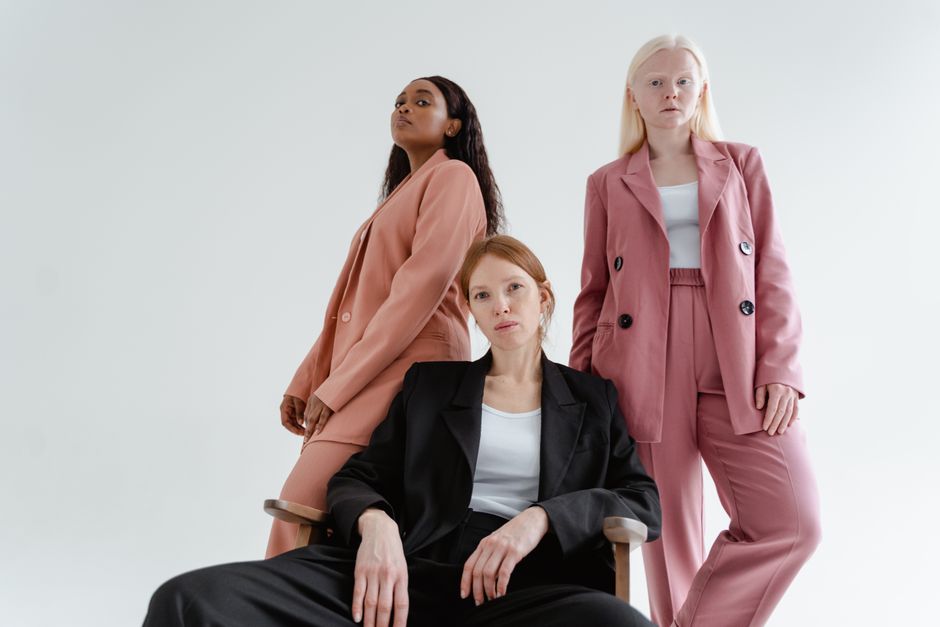
The most reliable power outfit has three visible layers: one structured piece, one simple base, and one grounded finishing piece. This formula gives you a polished result in under a minute and leaves room for personal style.
The structure-base-finish method
- Choose the structured piece first: a blazer, tailored vest, sharp cardigan, or belted coat.
- Add a simple base: a fine-knit top, crisp shirt, shell, or smooth jersey tee.
- Choose a bottom that repeats the line of the top. Straight trousers work with most jackets; a column skirt creates a longer vertical shape.
- Finish with one composed shoe. A pointed flat, leather loafer, low pump, or clean ankle boot is easier to trust than a heavily decorated shoe.
- Keep the bag firm enough to hold its shape. A soft tote can make a structured outfit look unfinished.
Choose one focal point
A power outfit should have one item that leads the eye. That item might be a strong jacket, a bright blouse, a sculptural shoe, or a controlled print. Keep the other pieces quiet. A bold jacket, patterned trousers, statement earrings, and bright shoes compete instead of working together.
For most offices, the strongest combination is a dark jacket, a light base, and a mid-tone bottom. Navy with ivory and gray looks calm. Charcoal with pale blue and black looks direct. Chocolate brown with cream and dark denim feels warmer without losing polish.
Best overall formula: a structured jacket, a plain light base, straight trousers, and one low-contrast leather accessory. It is fast, repeatable, and easy to adjust for different levels of formality.
Choose the Right Blazer for Your Work Setting
A blazer remains the fastest way to turn separate pieces into a power outfit, but not every blazer sends the same message. The right choice depends on how formal the setting is, how much movement you need, and how often you will wear the piece. The prices below are regular listed prices and may change with seasonal sales.
Use fabric and cut as your buying filter
For daily wear, look for a lined or partly lined jacket, a clean front closure, and enough room to wear a thin layer underneath. A notch lapel is the safest shape because it works with shirts, knit tops, and dresses. A single-breasted jacket is easier to combine than a dramatic double-breasted cut.
| Piece | Listed price | Key details | Best use |
|---|---|---|---|
| Aritzia Babaton Agency Blazer | $248 | Relaxed single-breasted cut, notched lapel, shoulder pads, fully lined | Modern office and presentations |
| COS Wool-Blend Blazer | $249 | Regular fit, elongated lapels, jet pockets, back vent, 28.31-inch back length in size 6 | Minimal professional wardrobe |
| Banana Republic Slim Italian Wool Blazer | $270 | Single-breasted, notch lapels, all-weather wool with a hint of stretch | Traditional business settings |
| Banana Republic Slim Italian Lightweight Wool Blazer | $298 | Lightweight wool construction, slim shape, regular and petite options | Warm offices and frequent travel |
Pick a clear winner for each use case
For a modern office, the Aritzia Babaton Agency Blazer is the strongest choice because its relaxed cut looks current without losing structure. It works with tailored trousers, dark denim, and a knit dress. For a minimalist wardrobe, choose the COS Wool-Blend Blazer. Its elongated lapels and 28.31-inch back length create a longer line, which makes simple black trousers look intentional.
For a formal workplace, the Banana Republic Slim Italian Wool Blazer is the better buy. Its slim shape and slight stretch suit a traditional shirt-and-trouser combination. Choose the Banana Republic Slim Italian Lightweight Wool Blazer if you commute, travel, or work in a warm building. The lighter fabric reduces bulk when layered under a coat.
Do not buy a blazer only because the product photo looks sharp. Check the shoulder, sleeve length, button position, and back length on your own body. A product can be well made and still be wrong for your proportions.
Fix These Five Power Outfit Mistakes
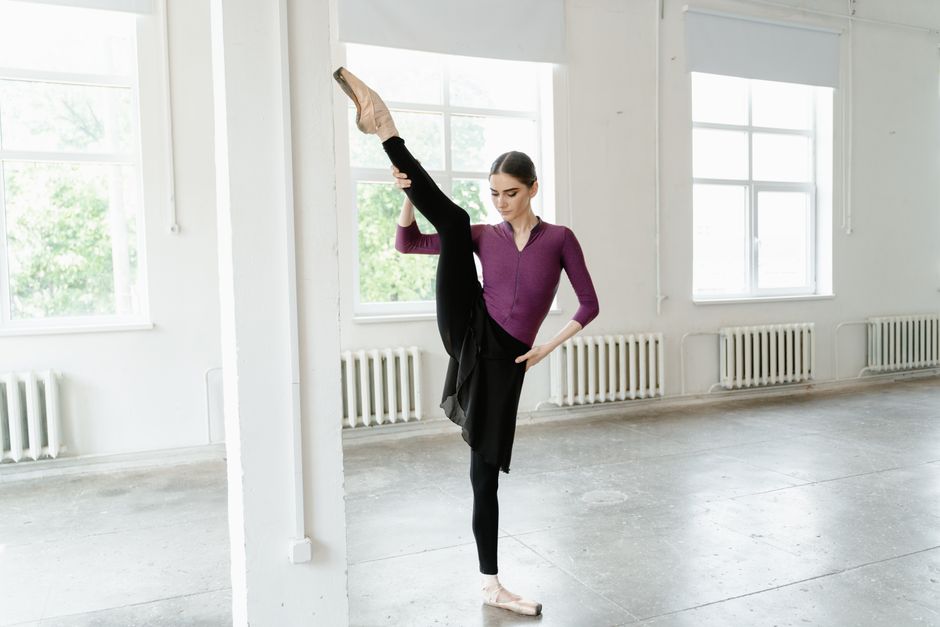
The most common fit issue is not the wrong size. It is the wrong proportion. A power outfit loses force when several small choices create visual noise. Correct these problems before buying another statement piece.
Five errors that weaken professional combinations
- Too much volume everywhere: An oversized jacket and wide trousers can work, but they need a visible waist, a shorter base layer, or a pointed shoe. If every line is loose, the outfit loses its outline.
- Jacket sleeves that cover the hand: The sleeve should usually finish near the wrist bone. Altering the sleeve is often cheaper than replacing a good jacket.
- Thin fabrics beside stiff fabrics: A flimsy blouse under a firm blazer can collapse around the neckline. Choose a shirt or knit with enough weight to hold its shape.
- Too many competing neutrals: Black, navy, gray, beige, and brown can look muddy together. Keep the outfit to two main neutrals plus one accent.
- Unfinished footwear: Scuffed leather, overly casual sneakers, and worn heels can pull down an otherwise precise outfit. Clean shoes matter more than expensive shoes.
Know when a suit is the wrong choice
A matching suit is not always the smartest power outfit. Do not buy one for a relaxed workplace if you will only wear the pieces together. Separate pieces will give you more combinations: a blazer with dark denim, trousers with a fine-knit top, and a vest over a shirt.
Skip a high-maintenance fabric if you commute by train, cycle, or carry a crowded work bag. Linen wrinkles quickly. Delicate silk stains easily. Unlined jackets may feel comfortable but often crease faster. A wool blend with a small amount of stretch is the better daily option for most people.
Test the outfit in real movement
Before keeping a new piece, wear it for ten minutes while sitting, walking, reaching, and carrying your normal bag. Check the back after sitting. Check the collar after moving your arms. Check the trouser hem with the shoes you will actually wear.
These tests expose problems that a mirror cannot. A power outfit should support your day, not demand constant adjustment.
Power Outfit Questions, Answered Clearly
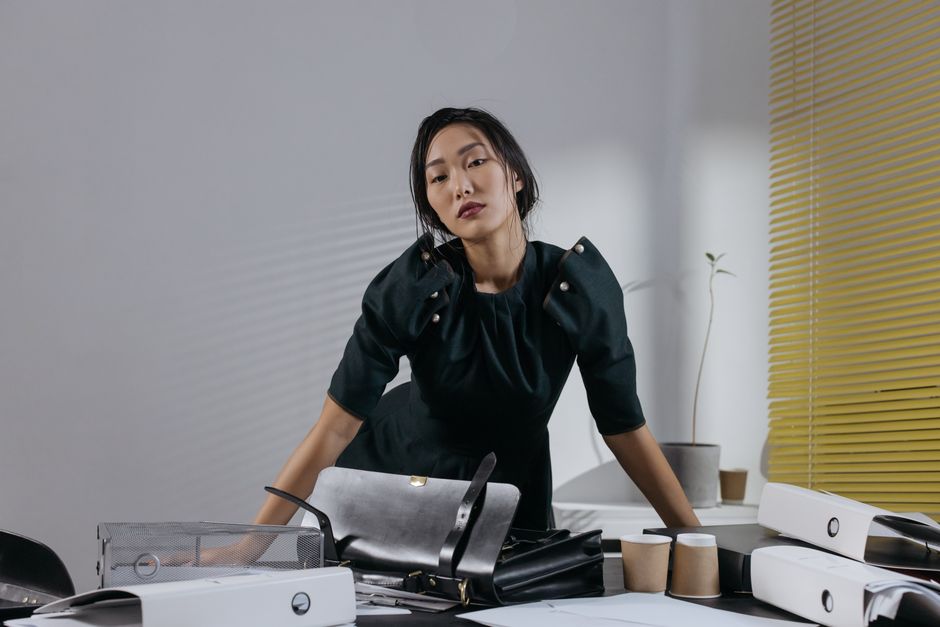
The strongest professional style combinations are not built around one fixed uniform. They use a small set of repeatable decisions: structure, proportion, contrast, and comfort. These answers cover the choices that usually create the most hesitation.
Can a power outfit include jeans?
Yes, if the jeans are dark, clean, and straight or gently slim. Pair them with a structured blazer, a tucked knit top, and leather loafers or pointed flats. Avoid distressed denim, heavy fading, and very soft jackets in settings that require formal business dress.
Dark jeans are best for creative offices, casual Fridays, dinners after work, and travel days. They are not the best choice for a formal interview or a meeting with a conservative client. Use tailored trousers in those situations.
What color combination looks most professional?
Navy, ivory, and gray is the best all-purpose combination. It has enough contrast to look polished but feels less severe than a full black outfit. Charcoal, white, and burgundy works well for presentations because the dark base creates authority while the accent adds focus.
For warmer skin tones, chocolate brown with cream and camel can look rich and controlled. For cooler palettes, charcoal with pale blue and black creates a clean finish. Keep the strongest color near the face only when it makes your complexion look brighter.
What should you buy first?
Buy one dark blazer that fits your shoulders, then one pair of straight trousers with a comfortable high or mid rise. Add a light base top, a dark leather shoe, and a structured bag. This creates more useful combinations than buying several trend-led pieces.
If you want one specific recommendation, choose the Aritzia Babaton Agency Blazer for a modern professional wardrobe. It has enough structure for meetings, enough ease for daily wear, and a relaxed cut that works with both trousers and dark denim. Pair it with ivory, charcoal, or soft blue, then keep the rest of the outfit quiet. That is the power outfit formula most people can wear repeatedly without looking repetitive.