
How Should You Split a $100 Clothing Budget?
Spend $70 on useful clothing, save $20 for a planned replacement, and keep $10 for styling details. This split gives you room to improve your outfits without turning every month into a shopping spree. A stylish wardrobe grows through repeated outfit combinations, not a constant stream of new arrivals.
Set a monthly clothing ceiling
Move the $100 into a separate envelope or budgeting app on the first day of the month. Do not carry an unpaid purchase into the next month. If you spend only $42, leave the remaining $58 in the wardrobe fund. A larger balance lets you buy one better item later, such as a winter coat or tailored trousers, instead of buying three weak substitutes.
Use the budget in three parts
| Budget area | Monthly amount | Best use |
|---|---|---|
| Wardrobe base | $70 | One practical garment or two low-cost basics |
| Replacement fund | $20 | Save for shoes, denim, knitwear, or tailoring |
| Style fund | $10 | Belts, jewelry, scarves, buttons, or clothing care |
This plan also protects you from false bargains. A $12 top is not a good deal if it needs a $25 replacement three months later. Check the cost per wear: a $60 jacket worn 30 times costs $2 per wear, while a $15 impulse top worn once costs $15 per wear.
Which Wardrobe Gaps Should You Fill First?
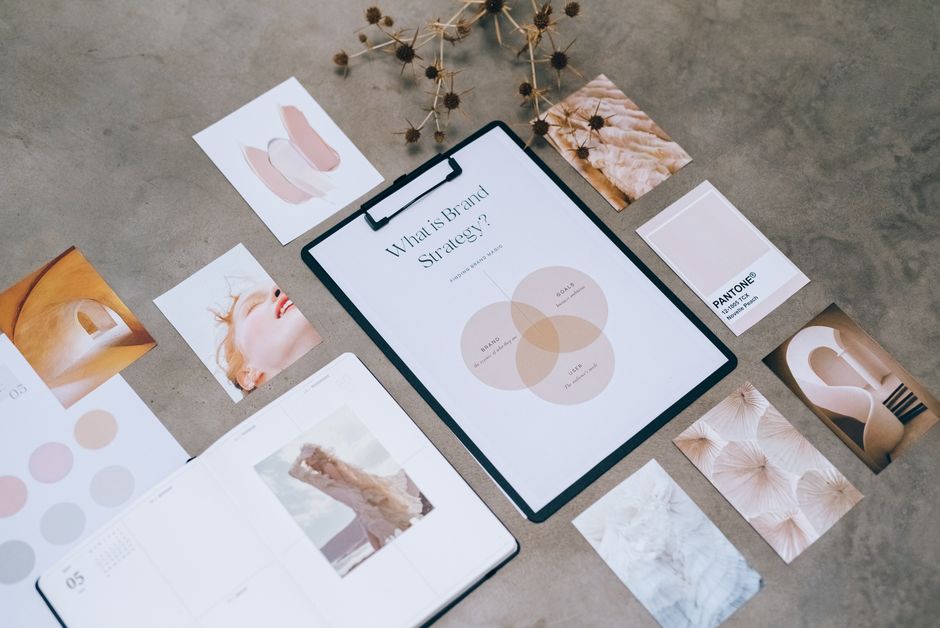
The first shopping decision should come from your laundry basket, not a trend page. Track what you wear for seven days, then identify the missing piece that blocks several outfits. The best purchase solves a repeated problem and works with clothes you already own.
Step 1: Audit the clothes you actually wear
- Write down every outfit for one week, including shoes and outer layers.
- Circle items worn twice or more. These reveal your real color palette and preferred shapes.
- Mark outfit failures, such as trousers with no suitable top or a dress that needs a missing layer.
- Remove damaged pieces from your working wardrobe until they are repaired or replaced.
Step 2: Choose one high-use category
Pick the category that creates the most outfit problems. If you own tops but lack a polished bottom half, buy trousers or a skirt. If your outfits work indoors but fail in bad weather, buy a layer. If everything looks acceptable but unfinished, spend the $10 style fund on a belt, simple earrings, or a scarf.
Step 3: Build three outfit formulas
Write three repeatable formulas before shopping. For example: straight-leg trousers plus fitted top plus cardigan; jeans plus button-down shirt plus loafers; or midi skirt plus fine knit plus ankle boots. A new item earns its place only if it completes at least three formulas using clothes you already own.
Use a simple rule for color: choose two neutrals, one accent color, and one metal tone for jewelry. This reduces random purchases and makes a small wardrobe feel more coordinated.
What Can You Buy for the Core Wardrobe?
My strongest recommendation is to buy one high-use item at a time and judge it by outfit coverage. A $20 T-shirt can be more valuable than a dramatic $100 piece if it works under jackets, with skirts, and on casual days. Prices change by retailer and sale period, so treat the figures below as spending benchmarks rather than permanent price promises.
Choose a basic top with a clear job
The Uniqlo AIRism Cotton T-Shirt, often priced around $19.90, is a smart benchmark for a casual base because it has a cotton-rich feel and a clean shape that works under overshirts and cardigans. The Everlane Organic Cotton Box-Cut Tee, commonly around $30, is the better pick for someone who wants a heavier, straighter silhouette. Choose one, not both, if your current drawer already has enough T-shirts.
Before buying, check shoulder seams, neckline recovery, and fabric opacity in daylight. Wash the garment according to its care label and avoid buying a second color until the first one has survived at least three wears and one wash.
Spend saved money on the right pair of trousers
For denim, the Levi’s 501 Original Jeans usually sit near $79.50 at full price. Their straight leg and button fly make them a stronger first pair than a highly distressed or unusual cut. They can anchor sneakers, loafers, boots, and a tucked-in shirt. For a lower-cost alternative, search resale apps for the same model and set a maximum price of $35 before browsing.
The verdict is clear: buy the Levi’s only when the fit is right through the waist, seat, and rise. Do not keep an expensive pair that pinches when sitting. A tailor can adjust a waistband, but major rise or thigh problems usually cost more to fix than the jeans are worth.
Know when a premium item does not fit the plan
The Quince Mongolian Cashmere Crewneck, often listed around $59.90, can make sense when you need a warm, polished layer and already own enough everyday basics. It should not replace a needed coat or comfortable shoes. The Dr. Martens 1461 Oxford, commonly priced around $170, is a useful long-term shoe but belongs in the replacement fund, not a normal $100 month.
Buy the pricier item only after saving for it and checking your cost-per-wear estimate. If you need several outfits now, choose a $30 to $60 item that fills an immediate gap instead.
What Budget Wardrobe Mistakes Waste the Most Money?
Should you buy an item because it is on sale?
No. A discount changes the price, not the usefulness. Ask which three outfits the item completes, what shoes it needs, and how often you can wash or wear it. If you cannot answer those questions, leave it in the shop. Sale racks often turn a temporary mood into a permanent closet problem.
What fit problems should stop a purchase?
Skip garments that pull across the buttons, twist at the side seams, expose more than intended when you sit, or need constant adjustment. Minor sleeve or hem changes are reasonable. A wrong shoulder line, uncomfortable rise, or fabric that irritates your skin is not a styling challenge; it is a return.
When should you avoid buying a new category?
Do not buy a blazer because you think a stylish wardrobe must include one. Do not buy occasionwear before checking your calendar. Do not buy special-care knitwear if you will not hand-wash it. Also pause when your closet contains several unworn versions of the same item. Photograph the duplicates, list their differences, and set a 30-day no-buy rule for that category.
The most expensive mistake is buying for an imaginary lifestyle. Build around your commute, climate, dress code, laundry routine, and actual weekends.
How Do You Keep a Small Wardrobe Looking Fresh?
Change the styling before you change the wardrobe. Tuck a shirt, roll a sleeve, add a belt, swap sneaker shapes, or layer a knit over a dress. These small changes create visible variety while keeping the monthly budget intact.
Use a four-week rotation
Week one can focus on your most reliable outfits. Week two changes only shoes and accessories. Week three reverses proportions, pairing a loose top with a straighter bottom or a fitted top with a fuller skirt. Week four is for repairs, laundry care, and reviewing what you did not wear. This rotation shows which pieces earn space and which ones only look good on a hanger.
Compare your next purchase with the alternatives
| If you need | Best $100 move | Why |
|---|---|---|
| More daily outfits | One neutral top plus one accessory | Creates several combinations quickly |
| A polished work look | Save for trousers or tailoring | Fit changes the whole outfit |
| Better casual style | Replace worn denim or sneakers | High wear frequency gives better value |
| Seasonal variety | Buy a layer in your existing palette | Extends current clothes into new weather |
For the next month, buy the item that solves the most repeated outfit problem. That choice will make the $100 feel like a wardrobe system instead of a shopping limit.