Wide leg pants occupy a strange position in the market. The silhouette flatters almost every body type when sized correctly, but bad construction turns them into a costume. At under $500, you’re navigating a range that spans fast fashion all the way to properly tailored trousers — and the difference is rarely obvious from product photos alone.
What follows covers what separates a $45 pair from a $350 pair, which brands actually deliver at each price point, and the fit errors that make expensive pants look cheap.
What the Price Tag Actually Changes
Most people assume spending more automatically means better quality. With wide leg pants specifically, that relationship is real — but the meaningful quality jumps don’t happen where most buyers expect them.
| Price Range | What You Get | What You Sacrifice | Best For |
|---|---|---|---|
| Under $80 | Trend-driven silhouettes, fast production cycles | Fabric weight, longevity, consistent sizing across runs | Testing whether the silhouette works for you before committing |
| $80–$180 | Better fabric blends, more consistent sizing, improved drape | True tailoring, premium hardware, ethical sourcing | Daily wear, versatile wardrobe staples |
| $180–$350 | Natural fabrics, structured drape, longer garment lifespan | Nothing critical — this is the sweet spot for most buyers | Work wardrobes, high-frequency rotation pieces |
| $350–$500 | Premium natural fibers, precise tailoring, ethical production | Price accessibility | Investment pieces, heavy professional rotation over multiple years |
The jump from under $80 to $80–$180 is the single most impactful price move. Better fabric enters the equation at that point, and sizing becomes reliable — both critical for a silhouette that depends entirely on how fabric falls from the hip downward.
Above $180, you’re largely paying for fabric sourcing and sustainable production practices. The $350–$500 tier earns its price through natural fiber quality — linen, silk blends, heavyweight wool — not through some exclusive construction technique unavailable at lower price points. Knowing this prevents overspending when mid-tier options would serve the same function.
Why Fabric Matters More Than Any Other Variable
Wide leg pants have volume. That’s the defining feature of the silhouette, and it creates a specific structural problem: without sufficient fabric weight pulling the panels downward, the legs billow unpredictably. Instead of clean vertical lines, you get horizontal creasing across the thigh and a shape that collapses when you walk.
Two pairs of wide leg pants at identical price points can look completely different in motion. The difference is almost always fabric weight and weave density, not construction quality.
Fabrics that work
Ponte knit holds structure without heavy weight, forgives minor sizing variations, and resists wrinkling in transit. It’s the most functional option for travel or long active days. The Banana Republic Sloan Fit Wide Leg Trouser in ponte ($110, frequently discounted to $65 during sales) is the most consistently reliable daily option in the accessible tier — it’s stayed in their lineup for years because the material genuinely performs.
Heavyweight linen falls straight, breathes well in warm weather, and actually improves with age. It wrinkles, but in a relaxed way that reads as intentional rather than sloppy. Reformation’s Vera Wide Leg Pants ($198, linen-cotton blend) demonstrate this correctly — the fabric weight is sufficient to keep the leg panels hanging clean even after a full day of wear. Lighter linen blends under 180gsm don’t achieve the same result.
Wool crepe is the best formal option in the category. It drapes without effort, resists creasing under prolonged sitting pressure, and photographs well across both office and evening settings. Theory’s Treeca Wide Leg Pant ($345, wool blend) sits near the top of the budget range but survives years of heavy professional rotation with minimal visible wear.
Cotton canvas works at the casual end, but only at sufficient weight. Anything at 8oz or heavier behaves well and holds the leg shape through movement. Lighter cotton weaves collapse in the same way thin polyester does — the fiber content is fine, the weight is not.
Fabrics that undermine the silhouette
Thin polyester — any fabric under 150gsm — looks synthetic under natural daylight. Cheap rayon and viscose blends wrinkle aggressively after the first wash and lose their original shape within a season of regular wear. Stretch denim with high elastane content (above 2%) creates a different problem: the fabric clings and pulls across the thigh rather than falling freely from the hip, destroying the silhouette’s fundamental proportions.
The practical test before buying in-store: hold the fabric up toward a light source. If you can clearly see the outline of your hand through it, the weight is insufficient for this silhouette. Assess weave density by tugging the fabric diagonally on the bias — minimal give indicates tighter construction and longer shape retention over time.
Fabric composition is listed on every product page. Read it before purchasing. If polyester or viscose appears first in the blend at any price point under $250, treat that as a warning signal. Natural fiber listed first — linen, wool, cotton, silk — indicates better construction decisions from the start.
Five Brands That Consistently Deliver Under $500
These brands appear repeatedly in real wardrobe discussions for a reason. Each addresses a specific buyer need, and none of them are here because of marketing spend.
- Madewell ($88–$148) — The Harlow Wide-Leg Pants in cotton-linen blend are the most recommended option in the $100–$150 tier consistently. Inseam lengths are reliable across production runs, sizing holds true to the size guide, and the fabric launders without losing shape after repeated washing. The linen version ($128) works from late spring through early fall without adjustment.
- Reformation ($148–$248) — Sits higher in the accessible range, but the Vera and Julia wide leg styles justify the price through material selection. Most use linen blends or deadstock fabrics. One important note: sizing runs small. Order one size up if you’re between sizes — their fit complaints almost always trace to this single issue.
- Everlane ($78–$128) — The Japanese GoWeave Wide-Leg Pant ($108) is a polyester-based technical weave that outperforms its fiber content on drape. Engineered specifically for structured silhouettes, resistant to wrinkling, and fully machine washable. Not a natural fiber, but it performs like one for daily purposes and handles travel far better than comparable linen options.
- & Other Stories ($89–$149) — Consistently underrated at this price. Their tailored wide leg trousers ($119–$139) use fabric blends that feel closer to the $200+ tier. Sizing runs European — their 38 is not equivalent to a US 8 in every cut, so consult their specific measurement chart rather than assuming a standard conversion.
- Banana Republic ($110–$180, frequently 40% off) — The Sloan Fit wide leg trouser hits a professional register most brands in this price range can’t reach. Monitor their monthly 40% off sale events; at $65–$90 it becomes one of the strongest values in the entire category regardless of price tier.
For denim specifically: the AGOLDE Pinch Waist Wide Leg Jean ($248) is the clearest recommendation under $300. The rise is genuine at 11.5 inches, the denim weight is 12.5oz, and the clean wash avoids distressing effects that date quickly. It’s more expensive than most denim options at this silhouette, but the construction difference is visible immediately against lower-priced alternatives.
Three Fit Mistakes That Kill the Look
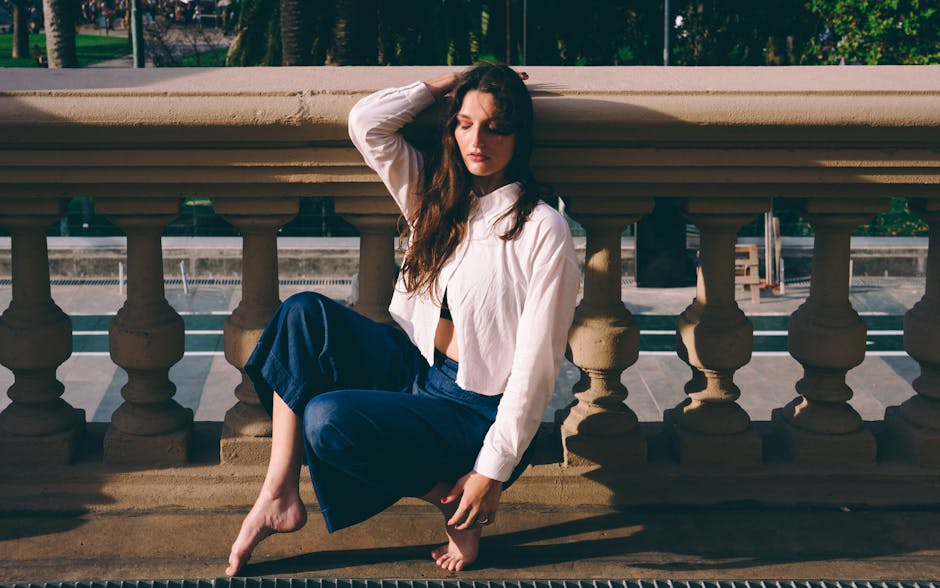
Rise is the most commonly overlooked measurement. A low-rise wide leg pant reads as early 2000s without exception. The silhouette only works with mid-to-high rise — minimum 10 inches from the crotch seam to the waistband. This number should appear on every product page. If it’s absent, contact the brand directly or skip the purchase entirely.
Inseam is the second failure point. Wide leg pants need to skim the floor or hit just above the ankle with deliberate intention. An awkward mid-calf break is unflattering regardless of body type or fabric quality. Most brands offer regular (30″) and tall (32–34″) options; petite sizing often defaults to a cropped cut, which changes the silhouette’s effect entirely and requires completely different styling logic to work.
The third error: buying the waist size without checking the hip measurement. Wide leg pants depend on fabric falling freely from the hip joint downward. If the fabric pulls across the hip, the leg panels cannot hang straight — the entire structural logic of the silhouette breaks down. Check the brand’s size guide for hip measurements specifically, not just waist circumference.
Styling Wide Leg Pants: The Questions That Actually Come Up
What tops work without making the outfit look shapeless?
Fitted tops. Consistently, across body types. Wide leg pants carry volume below the waist — pairing them with anything boxy or oversized above creates an undefined overall silhouette. Close-cut blazers, fitted tanks, bodysuits, and neatly tucked-in shirts all work well. The J.Crew Vintage Crewneck Tee ($39) half-tucked into wide leg trousers is a reliable everyday combination that requires no particular styling expertise and keeps the total outfit cost well under $200.
Cropped tops work when the pant sits at a true high waist. Pairing a crop with a mid-rise wide leg pant without a structured waistband reads as an oversight rather than a deliberate choice.
Do shoes matter more with this silhouette than with others?
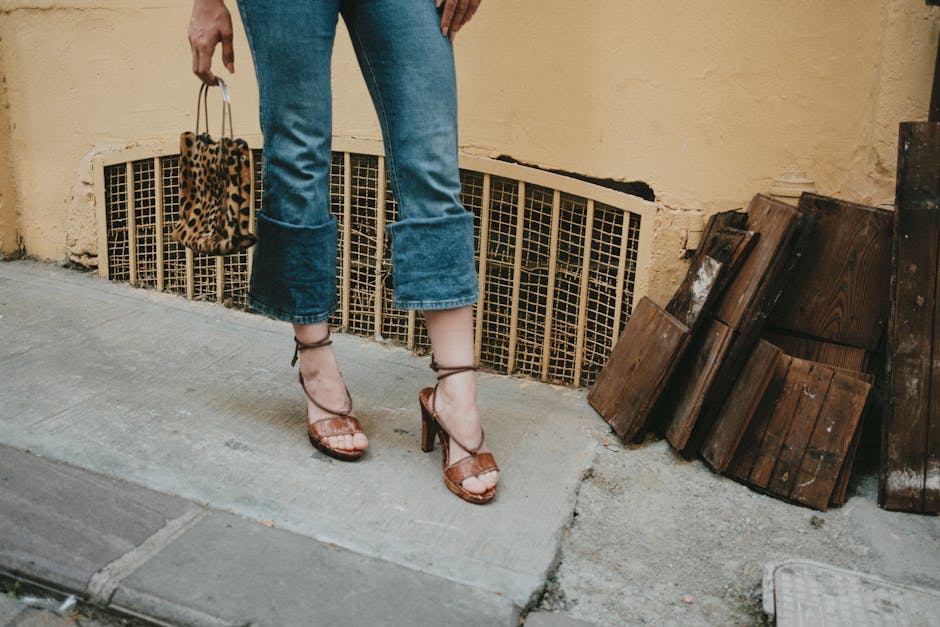
Yes, significantly more. The hem-to-shoe relationship determines whether the leg reads as elongated or cut short. Heeled shoes — even a 2-inch block heel — lengthen the leg because the hem grazes the top of the shoe and maintains an unbroken vertical line. Flat shoes work best when the hem just touches the floor, achieving the same unbroken line from a different angle.
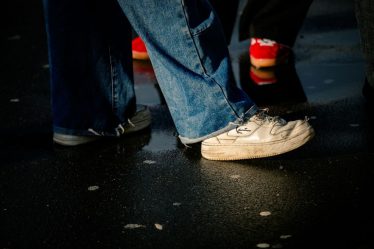
Chunky platform sneakers work well specifically under wide leg jeans because the visual width of the shoe matches the hem width. Slim-profile sneakers disappear underneath and create a visually disconnected look. The New Balance 550 ($110) and similar chunky trainers are cited most often as the reliable flat shoe pairing for this exact reason — the proportions work.
Which prints and patterns are worth avoiding?
Horizontal stripes and large-scale busy prints add more visual mass to a silhouette that already carries considerable volume. Solid colors, subtle woven textures — linen weave, fine herringbone, tonal stripe — and monochromatic patterns all work cleanly. The AGOLDE wide leg jeans work partly because the denim itself is plain: no wash variations, no distressing, no graphic elements competing with the shape of the cut.
When Wide Leg Pants Are the Wrong Choice

Wide leg pants don’t solve every wardrobe need, and pretending otherwise leads to purchases that sit unworn.
If your daily routine is physically active — commuting by bike, working in environments where you’re moving constantly through tight spaces — the fabric volume creates real functional friction. A straight-leg trouser delivers a similar elevated-casual register without the bulk. The Madewell Slim Emmett Pant ($98) or Everlane’s Straight-Leg Chino ($88) handle this use case better while maintaining the polished appearance wide leg pants are often chosen for.
For formal settings requiring long periods of standing or rapid movement, wide leg trousers in lightweight fabrics become uncomfortable over a full day. Ponte and wool crepe handle prolonged wear better than linen, which wrinkles under sitting pressure and can feel restrictive when you need to move quickly and repeatedly.
The practical breakdown: for replacing everyday jeans, focus on Madewell or Everlane at $88–$128 — the price-to-performance ratio is hard to beat in this tier. For building a polished work wardrobe, Reformation at $148–$248 and Banana Republic at sale pricing are the strongest mid-tier options. The $350–$500 range — Theory’s Treeca at $345 or Vince’s wide leg trouser at $375 — earns its price only when the piece needs to survive heavy professional rotation over multiple years. The fabric quality genuinely extends garment life at that tier, which changes the cost-per-wear math significantly over a three-year horizon.
The silhouette itself has staying power beyond trend cycles. Wide leg pants cycle through peak visibility in fashion media, but the underlying appeal — volume that elongates the leg when construction is correct — doesn’t expire with a season. The market will always carry this cut. The question that actually matters is which version performs well enough to earn regular rotation rather than just filling a hanger.