Every bride envisions a “perfect” wedding day, and often, that vision starts with the dress. But here’s the kicker: the idea of a single, universal “perfect” bridal look is a myth. Social media feeds are crammed with styled shoots and celebrity weddings, creating a dizzying array of options that can make the process feel less like a joyful journey and more like an overwhelming exam. You might start scrolling through Pinterest with a clear idea, only to find yourself hours later, deep in a rabbit hole of conflicting aesthetics, wondering if you should be a bohemian goddess, a minimalist queen, or a classic princess. The real problem isn’t a lack of options; it’s the pressure to conform, to find the dress, when what you truly need is to discover your dress.
This guide cuts through the noise. We’ll explore how to identify what truly speaks to you, navigate the technicalities of bridal fashion, and make informed choices that celebrate your personal style, not just the latest trend. Forget the pressure to fit a mold; let’s find the look that makes you feel uniquely, authentically you on your wedding day.
Beyond Trends: How to Define Your Personal Bridal Aesthetic
Before you even step into a bridal boutique or browse online, take a moment to look inward. Your everyday style and personality are the strongest indicators of what will make you feel comfortable and confident on your wedding day. Trying to force a look that doesn’t align with who you are is a recipe for regret. This isn’t about ignoring current trends entirely, but rather about filtering them through your own lens.
Identifying Your Everyday Style Core
Think about the clothes you gravitate towards most often. Do you prefer clean lines and neutral colors, or are you drawn to bold patterns and eclectic textures? Do you prioritize comfort and ease of movement, or do you love the feeling of structured, elegant pieces? If your closet is full of flowy dresses and natural fabrics, a heavily beaded, stiff ball gown might feel alien. Conversely, if you’re always in tailored blazers and sharp trousers, a casual linen dress could feel underdressed for your big day. Jot down three words that describe your current fashion sense. These words—like “minimalist,” “romantic,” “edgy,” “classic,” or “bohemian”—will be your north star when evaluating bridal options.
The Power of Your Wedding Venue as a Guide
Your wedding venue isn’t just a backdrop; it’s a key player in defining your bridal aesthetic. A grand ballroom demands a different kind of dress than a rustic barn or a beach ceremony. For instance, a voluminous gown with intricate lace would feel perfectly at home in a historic estate, while a sleek, modern crepe dress might better suit an urban loft wedding. Consider the architecture, the natural surroundings, and even the season. A heavy satin dress might be uncomfortable for an outdoor summer wedding, just as a light chiffon dress could feel out of place in a winter wonderland. Let the environment inform your choices, ensuring harmony between your look and the setting.
Visualizing Your Ideal Wedding Day Mood
Beyond style and venue, how do you want your wedding day to feel? Do you envision an intimate, understated gathering, or a grand, celebratory affair? Do you want to dance all night without restriction, or do you prioritize making a dramatic entrance? The mood impacts everything from the formality of the dress to the choice of accessories. If your mood is “effortless romance,” consider something like a Grace Loves Lace gown with soft lace and easy movement. If it’s “regal elegance,” a structured Pronovias dress might be more fitting. Your dress should embody the emotion and atmosphere you want to create.
Decoding Bridal Silhouettes: A Quick Guide to Flattering Shapes
The silhouette of your wedding dress is the foundational element that dictates its overall shape and how it flatters your body. Understanding the basic types will empower you to communicate effectively with consultants and narrow down choices efficiently. It’s not about hiding your body, but about accentuating your favorite features and feeling incredible.
A-Line vs. Ball Gown: Which Flatters Your Figure?
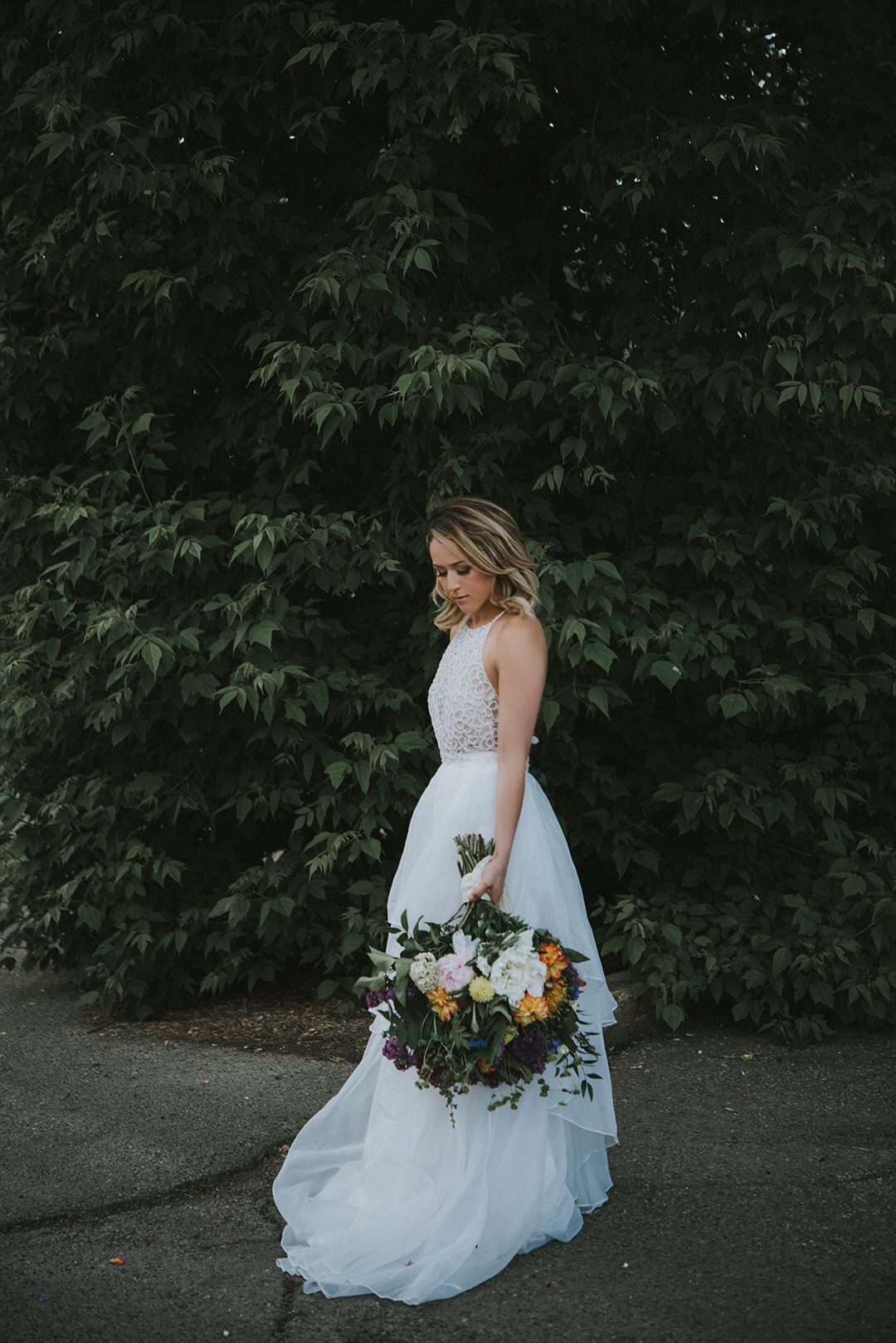
The A-line is a universally flattering silhouette, characterized by a fitted bodice that gradually flares out from the natural waist, forming an “A” shape. It’s elegant, comfortable, and suits almost every body type, creating a beautiful balance. A Ball Gown, on the other hand, is defined by a fitted bodice and a dramatically full skirt, often with crinolines underneath. This creates a fairytale effect and is ideal for brides who want a grand, traditional look. While stunning, ball gowns can be heavy and require more space for movement. If you’re petite, a very full ball gown might overwhelm your frame, whereas an A-line offers a more elongated line.
Sheath vs. Fit-and-Flare: Comfort and Movement
A Sheath dress flows straight down from the neckline to the hem, closely skimming the body’s natural curves without flaring out. It’s sleek, modern, and often made from lighter fabrics, offering excellent comfort and ease of movement. However, it highlights every curve, so brides often consider shapewear. The Fit-and-Flare (sometimes called Trumpet) is fitted through the bodice and hips, then flares out dramatically around mid-thigh. It’s a fantastic choice for brides who want to showcase their figure without the full commitment of a Mermaid silhouette. It offers a balance of allure and comfort, allowing for more natural movement than a full Mermaid gown.
Here’s a breakdown of common silhouettes and their general characteristics:
| Silhouette | Description | Best For Body Types | Typical Fabrics | Movement & Formality |
|---|---|---|---|---|
| A-Line | Fitted bodice, flares gently from waist. | Universal; pear, apple, hourglass, petite. | Satin, chiffon, tulle, lace, crepe. | Easy movement, versatile formality. |
| Ball Gown | Fitted bodice, very full, dramatic skirt. | Pear, hourglass, rectangular, taller brides. | Satin, taffeta, organza, mikado. | Limited movement, highly formal. |
| Sheath | Skims body from top to bottom. | Slender, hourglass, athletic. | Crepe, silk, chiffon, charmeuse. | Very easy movement, casual to modern formal. |
| Fit-and-Flare | Fitted to mid-thigh, then flares out. | Hourglass, athletic, pear (accentuates hips). | Satin, lace, crepe, organza. | Moderate movement, semi-formal to formal. |
| Mermaid | Fitted to knee, then dramatically flares. | Hourglass, confident figures. | Satin, lace, crepe, mikado. | Restricted movement, highly formal, dramatic. |
Fabric Finesse: The Unseen Impact on Look and Feel
The fabric of your wedding dress might seem like a minor detail, but it profoundly influences the dress’s drape, texture, and how it feels to wear. It dictates whether a dress looks structured and regal, soft and romantic, or sleek and modern. Ignoring fabric choice is like choosing paint without considering its finish—matte, satin, or gloss—each changes the entire perception.
The Drape and Flow of Silk vs. Satin
Silk is a natural fiber known for its luxurious feel, beautiful sheen, and incredible drape. There are several types: Silk Charmeuse offers a fluid, liquid-like drape with a glossy front and matte back, perfect for slinky, elegant sheath dresses. Silk Dupioni has a more textured, crisp feel with a subtle sheen, holding its shape well for structured A-lines. It breathes beautifully and feels wonderful against the skin, but it can be prone to wrinkling and is often a higher price point, with dresses starting around $3,000 to $5,000 for quality silk. Satin, on the other hand, refers to a weave, not a fiber. While traditional satin was silk-based, most bridal satins today are polyester blends, offering a similar luxurious sheen and smooth hand at a more accessible price point (dresses can range from $1,000 to $3,000). Polyester satin holds its shape well, resists wrinkles, and has a rich appearance, but it doesn’t breathe as well as natural silk. It’s an excellent choice for structured ball gowns or elegant A-lines where a crisp, clean look is desired.
Lace Varieties: Chantilly, Alençon, and Guipure
Lace adds undeniable romance and intricate detail to any gown, but not all laces are created equal. Knowing the differences helps in appreciating the craftsmanship and choosing a style that truly resonates. Chantilly lace is delicate and fine, often featuring a patterned ground with outlined motifs, giving it a soft, ethereal quality. It’s perfect for romantic, flowing dresses or as an overlay for a subtle touch. Think BHLDN’s whimsical styles. Alençon lace is slightly heavier, characterized by its corded outlining around the motifs, which often stand out in relief. This gives it a more defined, formal look, making it a favorite for classic, traditional gowns, often seen in designer collections like Pronovias. Guipure lace is the heaviest of the three, with no net ground; the motifs are connected by bars or braids, creating a dense, textural, almost three-dimensional effect. It’s bold and dramatic, ideal for bohemian or statement-making gowns, or for specific detail panels. The choice of lace dramatically alters the overall vibe, from airy romance to substantial elegance.
Structured vs. Soft: Taffeta, Organza, and Crepe
Beyond silk and lace, other fabrics bring distinct qualities. Taffeta is a crisp, stiff fabric, often with a slight sheen, known for holding dramatic shapes and creating a rustling sound when it moves. It’s excellent for structured ball gowns or architectural designs, offering a luxurious, formal look. However, its stiffness means it creases easily and isn’t the most breathable. Organza is a sheer, lightweight, crisp fabric, usually made from silk or synthetic fibers. It provides volume without weight, making it ideal for layered skirts, delicate overlays, or sleeves that need structure but also transparency. It has a beautiful, subtle sheen and a delicate feel. Crepe, whether silk or polyester, is characterized by its distinctively crinkled, slightly textured surface and beautiful drape. It’s known for its sleek, modern, and often minimalist aesthetic, clinging gracefully to the body and offering a sophisticated, understated elegance. Crepe dresses are a favorite for contemporary brides seeking clean lines and comfort, with many modern designers offering crepe gowns in the $2,000-$4,000 range. Each fabric tells a story; choose the one that aligns with yours.
Accessories: Small Details, Big Statement
Accessories are the unsung heroes of bridal fashion. They have the power to transform a simple dress into a personalized masterpiece, or to add a subtle sparkle that catches the light just so. The key is balance: complementing your gown, not overpowering it.
- Headpieces: Veils, Headbands, and Hairpins
- Veils: Traditionally a symbol of modesty, modern veils are more about style. A cathedral-length veil (around 120 inches, $200-$600) makes a dramatic entrance, perfect for formal settings. A fingertip veil (36-50 inches, $100-$300) offers elegance without overwhelming. Birdcage veils ($50-$200) are chic and retro. Consider lace trims, scattered pearls, or simple tulle. Match the color and tone of the veil’s tulle to your dress fabric.
- Headbands & Hairpins: For a less traditional look or after the veil comes off, embellished headbands (e.g., Lele Sadoughi pearl headbands, $75-$250), delicate hairpins (often $30-$150 each from Etsy artisans like Ayajewellery), or floral crowns offer diverse aesthetics. Ensure they complement your hairstyle and don’t snag delicate fabrics.
- Jewelry: Complementing Your Dress, Not Competing
- Necklaces: If your dress has a high neckline or intricate bodice detailing, skip the necklace. For a V-neck or sweetheart neckline, a delicate pendant (e.g., Catbird’s Threadbare necklace, $168) or a simple strand of pearls works beautifully. Consider the metal tones—silver/platinum with cool-toned dresses, gold with warmer ivories.
- Earrings: Studs are always classic. Drop earrings (e.g., Kendra Scott’s Danielle earrings, $68) or chandeliers can add glamour, especially if your hair is up. Balance is crucial: if your dress is heavily embellished, opt for simpler earrings.
- Bracelets: A delicate tennis bracelet (cubic zirconia options from $50-$200) or a bangle can add a touch of sparkle. Avoid anything too chunky that might snag your dress.
- Shoes: Comfort Meets Style
- Heel Height: Consider your comfort and the dress length. You’ll be standing and dancing for hours. Many brides opt for a lower heel or flats for the reception. Brands like Bella Belle offer exquisite, comfortable bridal shoes (average $350-$450).
- Style: Peep-toes, pointed pumps, or delicate sandals all work. If your dress is long, the shoes might only be seen when you walk or dance, so comfort might outweigh extreme style. For a short dress, statement shoes are a must.
- Material: Satin, lace, or embellished leather are common. Dyeable shoes offer color options. Remember, practical options like Converse sneakers ($60-$80) customized with lace are gaining popularity for reception changes.
Budgeting for Your Bridal Look: Where to Invest and Where to Save
Let’s be blunt: wedding fashion can quickly drain a budget. The average wedding dress in the U.S. costs around $1,900, but that figure doesn’t include alterations, accessories, or cleaning. It’s crucial to set a realistic budget from the outset and stick to it. I firmly believe that brides should prioritize quality and fit over brand names, especially when it comes to the dress itself and the alterations. Cutting corners on alterations is a false economy that can ruin the look of even the most expensive gown.
Prioritizing Your Spend: Dress vs. Alterations
Your wedding dress is the centerpiece, and it’s where most of your budget will likely go. Expect a ready-to-wear gown from a boutique to range from $1,500 for simpler styles to $5,000+ for designer pieces. Custom gowns can easily exceed $10,000. However, the fit is . High-quality alterations, which often include multiple fittings, hem adjustments, taking in seams, and adding bustles, typically cost an additional $500 to $1,000, sometimes more for complex dresses or extensive work like redesigning sleeves. Do not skimp here. A perfectly fitted dress, even one on the lower end of the price spectrum, will always look better than a high-end gown that fits poorly. Allocate a non-negotiable portion of your budget to alterations.
Smart Shopping for Accessories
This is where significant savings can often be found without compromising style. Instead of buying a designer veil for $800, consider a custom piece from an Etsy seller (like BlancaVeils or Davie & Chiyo) for $200-$400, often with identical quality. Jewelry can be borrowed (something old, something borrowed!), or you can opt for high-quality cubic zirconia pieces instead of diamonds for a fraction of the cost. Fashion jewelry brands offer stunning, affordable options. Shoes, unless your dress is short, are often hidden; investing in a comfortable pair from a mid-range brand like Badgley Mischka ($200-$300) can be just as impactful as a pair costing twice as much. Focus your accessory budget on one or two key pieces that truly stand out, then fill in with more economical options.
Considering Secondhand or Sample Sales
For significant savings on the dress itself, explore sample sales at local boutiques or online marketplaces like Stillwhite or Nearly Newlywed. Sample sales offer designer gowns at 30-70% off retail prices, often ranging from $800-$3,000. The catch is that samples are usually in a standard size (often 8 or 10) and may have minor imperfections, requiring cleaning and potentially more extensive alterations. Buying secondhand means you’re purchasing a pre-owned gown, but many are worn only once and dry-cleaned, offering incredible value. You can find dresses from top designers like Vera Wang or Pronovias for 50-70% off their original retail price of $4,000-$10,000, bringing them into a more accessible $1,500-$4,000 range. These options require more effort in searching and potentially cleaning, but the financial payoff is substantial.
When Should You Start Dress Shopping?
Begin your dress search 9 to 12 months before your wedding date. This allows ample time for ordering (which can take 4-6 months), delivery, and crucial alteration appointments, which typically start 2-3 months before the big day. Rushing this process only adds unnecessary stress and limits your choices.
Common Bridal Fashion Dilemmas Answered
Even with research, questions pop up. Here are some common concerns brides often face, with direct answers to guide your decisions.
“Can I wear a colored wedding dress?”
Absolutely. The tradition of a white wedding dress only became popular after Queen Victoria wore one in 1840. Today, many brides opt for shades of ivory, champagne, blush, or even bolder colors like blue or black. Vera Wang has famously incorporated black into her bridal collections. The key is to choose a color that makes you feel beautiful and reflects your personality. Consider how the color will photograph and whether it complements your wedding theme and venue. There are no rules in modern bridal fashion; wear what feels right for you.
“What about shapewear and undergarments?”
Shapewear is a personal choice, but for many dresses, especially those made of sleek fabrics like crepe or satin, it can provide a smoother silhouette. Plan to bring the exact shapewear and bra you intend to wear on your wedding day to all your dress fittings. This ensures the dress is altered to fit perfectly over your chosen undergarments. Brands like Spanx (various styles, $30-$100) are popular for their smoothing effects. Some dresses have built-in boning or cups, potentially eliminating the need for a separate bra. Discuss options with your bridal consultant and alteration specialist.
“How do I involve my bridal party without too many opinions?”
Bring a small, trusted group of one to three people whose opinions you value and who understand your personal style. Too many voices can be overwhelming and lead to confusion. Before your appointment, have an honest conversation with your chosen companions about your vision and budget. Politely ask them to support your decisions rather than impose their own. Remind them that ultimately, the dress is for you. If opinions become overwhelming, it’s okay to take a step back and revisit appointments alone, or with just one person, to solidify your own thoughts.
Finding your bridal style isn’t about chasing trends; it’s about uncovering the look that makes you feel most authentically beautiful on your wedding day.