The internet is flooded with “designer dupes.” Most of them look exactly like what they are: cheap copies. The zipper snags. The fabric pills after three wears. The cut sits wrong. But here’s the thing — a good dupe exists. It uses better materials, matches the proportions of the original, and costs a fraction of the price. You just need to know what to look for.
This isn’t a list of 50 random products. It’s a system. Learn these four filters, and you’ll spot a winner dupe in under 60 seconds.
The Four Filters That Separate a Good Dupe From a Bad One
Most people buy dupes based on one thing: the photo. They see a $40 dress that looks identical to the $1,200 Ganni dress on Instagram, click buy, and end up with a shapeless sack. That’s because photos lie. Fabric, construction, and fit don’t.
Here’s the filter system I use. Apply all four before you buy anything.
Filter 1: Fabric Content
Check the product page for the fabric composition. This is non-negotiable. A dupe made of 100% polyester will never drape like silk or hold structure like wool. Look for natural fibers or high-quality blends.
What to look for:
- TENCEL Lyocell or Modal — drapes like silk, breathes, costs $30-$80 per garment. Quince uses this extensively.
- Wool blends (at least 50% wool) — holds shape, resists wrinkles. Uniqlo’s merino sweaters ($39.90) are a solid dupe for $300 cashmere pieces.
- Cotton with a high thread count or organic certification — avoids the stiff, shiny look of cheap poly-cotton blends.
What to avoid: 100% polyester, acrylic, or nylon in anything that needs to drape or breathe. Exceptions: activewear and structured outerwear (where polyester can be functional).
Filter 2: Construction Details
Good dupes copy the construction, not just the silhouette. Flip the garment inside out before you buy (or check detailed photos).
- Seams: French seams or flat-felled seams cost more but last longer. Raw, unfinished edges will fray.
- Lining: A lined blazer or skirt signals quality. If the dupe is unlined and the original is lined, skip it.
- Zippers: YKK zippers are the standard. If the brand doesn’t name the zipper brand, assume it’s a cheap one that will jam.
Filter 3: Proportions and Silhouette
This is the biggest giveaway. Cheap dupes often get the proportions wrong. The shoulder seam sits an inch too far in. The waistline hits at the wrong spot. The hem is two inches shorter than the original.
How to check: Compare the garment measurements (shoulder width, chest, waist, hip, length) to the original designer piece. If you can’t find exact measurements, look at the model photos. If the dupe looks noticeably different in proportion, it will look cheap on your body.
Filter 4: Hardware and Finishing
Buttons, zippers, and clasps matter. A $1,200 blazer uses horn or metal buttons. A $60 dupe uses plastic buttons that scratch and discolor. Look for metal hardware, engraved logos, and weight. Heavy hardware signals quality.
| Feature | Good Dupe | Bad Dupe |
|---|---|---|
| Fabric | TENCEL, wool blend, organic cotton | 100% polyester, acrylic |
| Seams | French or flat-felled | Raw, overlocked, unfinished |
| Lining | Full lining in matching fabric | No lining or cheap poly lining |
| Zipper | YKK or branded metal | Unbranded plastic |
| Buttons | Horn, shell, or engraved metal | Thin plastic, no engraving |
| Fit | Matches original proportions | Off by 1-2 inches in key areas |
Brands That Consistently Deliver High-End Dupes
Not all brands are equal. Some have built their entire business model around producing near-identical versions of designer staples at a fraction of the price. Others just slap a trend on cheap fabric. Here’s who’s actually good.
Quince — The best dupe brand for basics. Their $50 cashmere sweater is a direct competitor to $300 versions from Vince or Theory. The fabric is Grade A cashmere (not the scratchy Grade C stuff). The construction is solid. Downside: limited color options.
Aritzia — Specifically, their Wilfred and Babaton lines. The Effortless Pant ($98) is a dead ringer for the $350 The Row pant. The fabric is a wool-blend with stretch. The cut is identical. Aritzia also nails the proportions on their blazers and dresses.
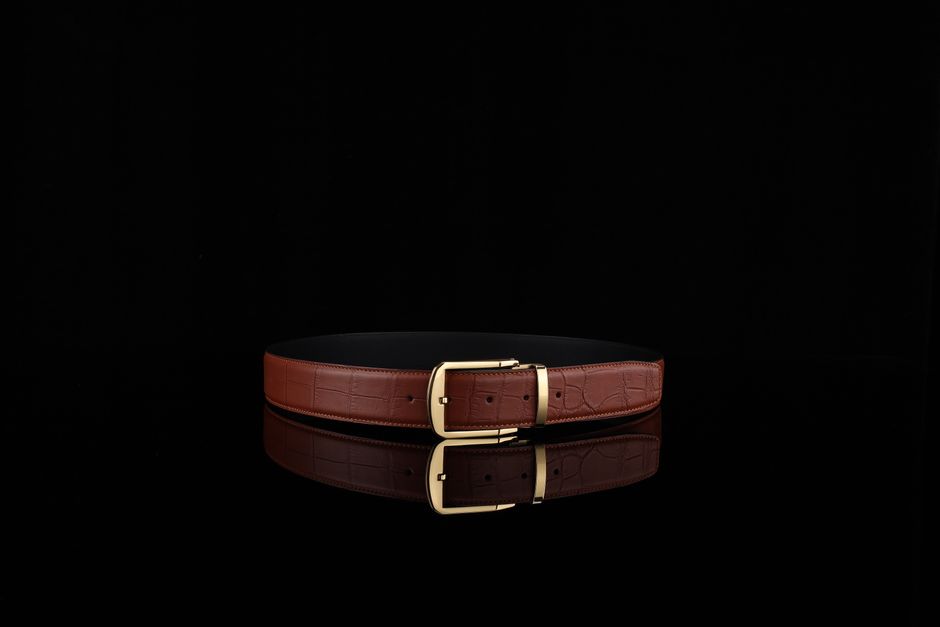
Everlane — Their Day Glove leather shoe ($178) is a direct dupe for the $550 The Row leather flat. Same silhouette. Same minimal stitching. The leather is Italian calfskin, not bonded leather. They also make a solid dupe for the Celine Triomphe belt ($60 vs $890).
Mango — Best for trend-driven dupes. Their $70 satin slip dress is a near-exact copy of the $1,200 Slip Dress by Khaite. The fabric is 100% polyester satin, but the cut is good enough that it works. Just don’t expect it to last more than a season.
Uniqlo — The dark horse. Their $69.90 Wool-Blend Chester Coat is a direct dupe for the $1,500 Max Mara Teddy Bear Coat. Same oversized silhouette, same wool blend. The difference? The Uniqlo version uses a lower-grade wool blend (60% wool, 40% polyester vs Max Mara’s 100% virgin wool). But at $69.90, it’s the best value dupe on the market.
The One Fabric That Instantly Kills the Expensive Look
Polyester satin. It’s shiny. It clings. It wrinkles in a way that looks like you slept in it. And it’s the default fabric for 90% of cheap dupes.
Here’s the thing: not all polyester is bad. Polyester microfiber can look like silk if it’s woven correctly. But polyester satin — the kind used in cheap slip dresses, blouses, and skirts — has a telltale shine that screams “budget.”
What to buy instead: TENCEL Lyocell, cupro, or viscose. These are semi-synthetic fibers that drape like silk, breathe like cotton, and cost $30-$80 per garment. Brands like Quince, & Other Stories, and COS use them extensively. The difference is night and day.
What to avoid at all costs: Anything described as “satin” without a specific fiber breakdown. If the product page says “satin” and nothing else, it’s 100% polyester satin. Skip it.
When to Buy the Original Instead of the Dupe
This is the part most articles skip. Dupes are not always the right choice. There are three situations where you should save up for the real thing.
You’ll Wear It 50+ Times
Classic pieces — a trench coat, a leather jacket, a wool blazer — are worth the investment. A $1,200 Burberry trench will last 15 years. A $200 dupe will last 2-3 seasons. Cost per wear: $80/year for the Burberry vs $66/year for the dupe. The dupe is actually cheaper per wear, but only if you wear it consistently. If you wear it 10 times and toss it, the cost per wear skyrockets.
The Dupe Uses Inferior Materials That Affect Function
Some pieces depend on the material for their function. A down jacket needs real down to keep you warm. A leather bag needs full-grain leather to hold its shape. A silk blouse needs real silk to drape correctly. If the dupe uses a cheap substitute, it won’t just look different — it won’t work.
You Care About Resale Value
Designer pieces hold value. A Chanel bag can sell for 80% of its retail price after 5 years. A dupe has zero resale value. If you plan to sell your clothes after a few seasons, the original is the better financial choice.
My rule: Buy the dupe for trendy pieces you’ll wear 5-20 times. Buy the original for staples you’ll wear 50+ times and can resell.
Three Mistakes That Make a Good Dupe Look Cheap
You bought a great dupe. The fabric is right. The cut is right. But it still looks cheap. Here’s why.
Mistake 1: You didn’t steam it. Cheap fabrics show every crease. A $40 dress from Zara can look like $400 if you steam it before wearing. Wrinkles are the #1 giveaway of a budget garment. Buy a handheld steamer ($25) and use it.
Mistake 2: You paired it with cheap accessories. A $60 dupe of a $1,200 Celine bag looks fine. Pairing it with plastic earrings and a $15 belt from Amazon makes the whole outfit look cheap. Invest in one good pair of leather shoes and one quality belt. They elevate everything.
Mistake 3: The fit is off. A dupe that’s too loose or too tight looks like a dupe. Take it to a tailor. A $15 hem alteration transforms a $50 dress into something that looks custom-made. This is the single cheapest way to upgrade a dupe.
How to Verify a Dupe Before You Buy (No Returns Required)

You can’t trust the product photos. Brands use professional lighting, Photoshop, and model angles to make cheap clothes look expensive. Here’s how to verify before you click “buy.”
Step 1: Search for “[brand name] [product name] review” on YouTube. Real people in bad lighting show the truth. Look for videos where the reviewer shows the garment on their body, not just hanging on a rack.
Step 2: Check the fabric composition. If the product page doesn’t list the exact percentage of each fiber, email customer service. Legitimate brands provide this. Scam brands hide it.
Step 3: Look at the zipper and buttons. Zoom in on product photos. If the zipper is plastic and unbranded, or the buttons look thin and glossy, the quality is low.
Step 4: Compare measurements. Find the original designer piece’s measurements (shoulder, chest, waist, length). Compare them to the dupe’s size chart. If the dupe is off by more than an inch in any key area, the fit will be wrong.
Step 5: Read the 1-star reviews. They tell you exactly what goes wrong — fabric pills, zipper breaks, color fades. If multiple 1-star reviews mention the same issue, believe them.
The Verdict: Which Dupe Strategy Wins?
| Scenario | Best Strategy | Example |
|---|---|---|
| Trendy dress you’ll wear 5-10 times | Buy the dupe from Mango or Zara | $70 Mango slip dress vs $1,200 Khaite |
| Wool coat you’ll wear 3 winters | Buy the dupe from Uniqlo or Quince | $69.90 Uniqlo wool coat vs $1,500 Max Mara |
| Leather bag you’ll use daily for 5 years | Buy the original or a high-end dupe like Everlane | $178 Everlane leather tote vs $1,200 Loewe puzzle bag |
| Cashmere sweater for layering | Buy the dupe from Quince | $50 Quince cashmere vs $300 Vince cashmere |
| Investment piece you’ll resell | Buy the original | Chanel bag vs any dupe |
Good dupes exist. They use better fabric, match the cut, and cost 80% less. But they require work — you have to check the composition, compare measurements, and read real reviews. Skip the lazy buys. Apply the four filters. Your wallet and your wardrobe will thank you.