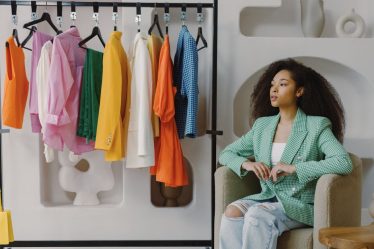
By 8:12 on the first Monday, I had already rejected three outfits and left six clean shirts on the bed. My closet was full, but getting dressed still felt like a small daily argument. I kept buying pieces for an imagined version of my life while ignoring the clothes I actually reached for.
I wore only 15 clothing items for 30 days, excluding underwear, sleepwear, workout clothes, coats, and one pair of house shoes. The result was not a perfect minimalist closet. It was more useful than that: I learned which gaps were real, which purchases were just boredom, and why a smaller wardrobe works only when the rules match your routine.
Why a 15-Item Wardrobe Exposed My Real Clothing Problem
The clear verdict: my problem was not a lack of clothes; it was a lack of dependable combinations. A packed rail made every item compete for attention, and many pieces worked only with one specific shoe, weather condition, or level of effort. Once I removed the noise, I could see the difference between clothing I admired and clothing I wore.
The closet was full, but outfits were scarce
I started by pulling every everyday item onto the floor and sorting it into three groups: worn weekly, worn for a specific event, and almost never worn. The third group was larger than expected. I had delicate blouses that needed careful ironing, trousers that pinched after lunch, and statement pieces that looked good alone but had no sensible partner. They were not bad clothes. They were bad residents for my actual life.
The hidden cost of too much choice
Too many options also hid practical problems. I could not see that I owned five dark tops but no comfortable light layer. I missed stains because clothes were packed tightly together. Laundry stayed unfinished because I kept postponing decisions about what to wear. The 15-item limit did not magically create style; it made the wardrobe’s weak points visible. My recommendation is to edit by outfit usefulness, not by a dramatic number. Fifteen worked for my month because it forced honest choices without pretending that every season and job needs the same closet.
The 15-Item Rule That Made Getting Dressed Easier
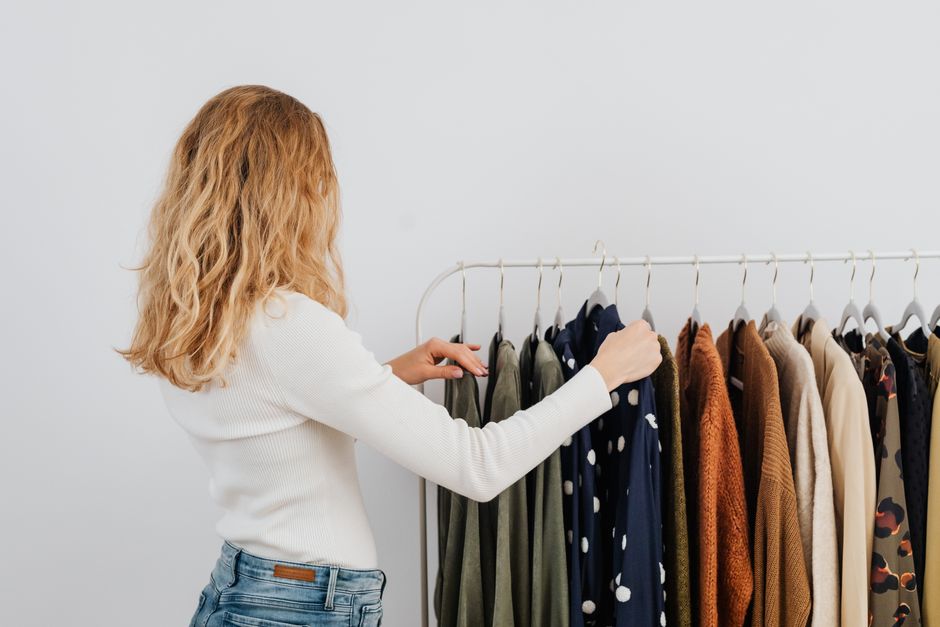
Fifteen items is a useful test, not a lifestyle rule. I counted one item only when it could handle at least two normal settings, and I chose a mix of five tops, four bottoms, two dresses or one-piece outfits, two layers, and two flexible pieces for weather or plans. That balance mattered because a wardrobe made only of basics can still fail if every top needs the same bottom or every outfit feels too casual. I also set a laundry limit of seven days, so the experiment showed how the clothes performed between washes instead of rewarding me for owning more.
The second rule was color control: three main neutrals, one soft accent, and one strong accent. This gave me enough contrast without creating isolated pieces. I photographed each outfit before leaving the house, then marked it as comfortable, workable, or annoying; after a week, the annoying category showed me more than my mirror did. Finally, I allowed replacements only after wearing an item twice and naming the exact problem it solved. That stopped emergency shopping from disguising poor planning. The best verdict is simple: keep the 15-item limit long enough to collect evidence, then adjust it around laundry, weather, work, and movement.
Six Mistakes That Made the Experiment Harder
The experiment became useful only after I stopped treating discomfort as proof of discipline. These were the failure points that nearly sent me back to a crowded closet.
The rules I kept
- Do not count fantasy occasions. A jacket that works only for a future gala does not belong in a weekday capsule. Store occasionwear separately.
- Do not choose all new clothes. New pieces can look exciting together but reveal nothing about your established habits. Start with the items you already wear.
- Do not ignore fabric care. If a shirt needs hand washing after every use, it is not a simple everyday basic for a busy week.
- Do not pack five versions of one mood. Five black tops may feel safe, but they leave the wardrobe flat and can create the same outfit repeatedly.
- Do not confuse tightness with progress. If 15 items cannot cover your climate or work schedule, add practical layers instead of forcing an artificial number.
- Do not replace a fit problem with a shopping problem. A $20 alteration can rescue trousers that would otherwise become another abandoned purchase.
My strongest recommendation is to track irritation, not compliments. The clothes that received praise were not always the clothes that made mornings easier. A waistband that stayed comfortable, a sleeve that worked under a coat, and a fabric that survived real laundry mattered more.
Which 15-Item Basics Earn Their Hanger Space?
Only after the first two weeks did I look at specific replacements. The point was not to build a shopping list. It was to test which familiar pieces solved the problems the edit uncovered. These prices are typical list prices, not promises of the lowest sale price.
The pieces I would choose again
| Item | Typical price | Why it earned space | Best use |
|---|---|---|---|
| Uniqlo AirSense Blazer | $80 | Lightweight stretch fabric and a clean shape | Work, travel, polished casual outfits |
| COS Merino Wool T-Shirt | $99 | Warm without feeling bulky and resists odor | Layering across cool days |
| Levi’s 501 Original Jeans | $98 | Rigid denim holds its shape and works with flats or sneakers | Everyday outfits |
| Everlane Way-High Jean | $98 | Higher rise and fuller leg balance fitted tops | Comfortable office-casual dressing |
| Adidas Samba OG | $100 | Low profile, easy to walk in, and less sporty than running shoes | Commuting and weekend wear |
| Uniqlo Supima Cotton T-Shirt | $30 | Dense cotton keeps its shape better than thin budget tees | Base layer and warm-weather outfits |
| Patagonia Nano Puff Jacket | $239 | Compressible insulation adds warmth without a heavy coat | Travel and unpredictable weather |
My clear product verdict
If I had to rebuild the test wardrobe today, I would start with the Uniqlo Supima Cotton T-Shirt, Levi’s 501 Original Jeans, and Uniqlo AirSense Blazer. They created the most combinations for the least fuss. The COS merino tee was the best upgrade for repeated layering, while the Adidas Samba OG worked better than a bulky trainer because it kept trousers looking intentional. I would skip the Everlane jeans for a very casual wardrobe and choose a softer denim instead; the high rise and structured leg are useful, but they are not the most relaxed option. I would also avoid buying the Patagonia jacket for a mild city climate unless travel or outdoor use justifies the price.
How Do You Keep a Small Wardrobe From Feeling Boring?
What if every outfit starts to look the same?
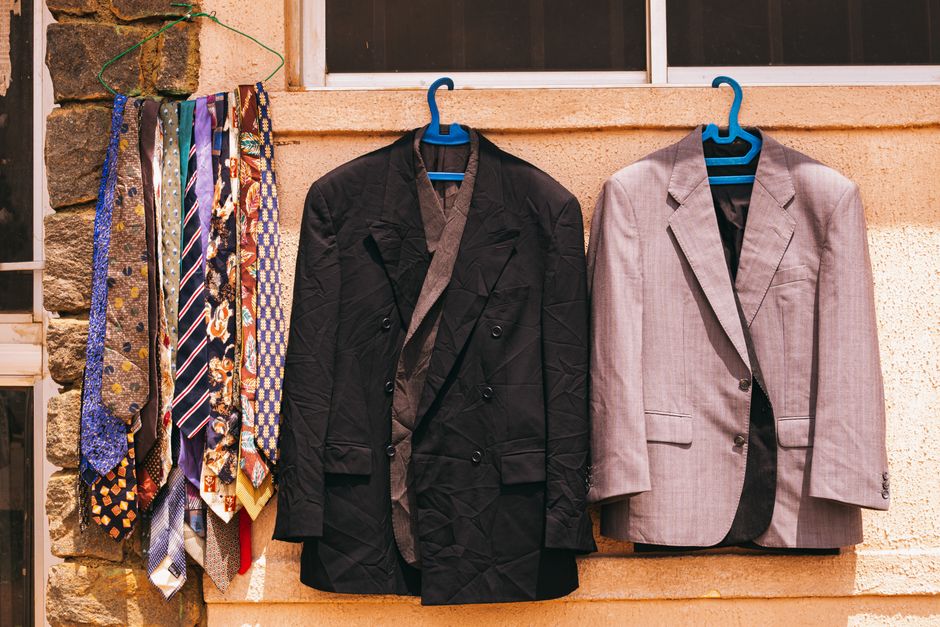
Change the outfit formula before buying another garment. I used the same jeans with a tucked tee, an untucked knit, a blazer, and a belt, then changed the silhouette with sleeve rolling and different hems. Accessories were outside my 15-item count, so a scarf, watch, or small earring could shift the mood without adding another top. The key is to vary proportion, texture, and shoe shape. Color alone is a weak solution when every outfit has the same outline.
How often should you rotate the 15 items?
I rotated every Sunday, but I did not force equal wear. The pieces that worked in meetings naturally appeared more often than the dress I saved for dinners. I washed, repaired, and photographed the group before choosing the next week’s lineup. A monthly rotation works for stable weather; a weekly rotation works better when temperatures change quickly. Keep an out-of-rotation box nearby so you can remove distractions without making a permanent decision.
When should you stop using the 15-item limit?
Stop when the number creates repeated discomfort, not when you feel guilty about owning more. Parents, shift workers, people in wet climates, and anyone with a uniform-heavy job may need extra layers or duplicates. The useful measure is outfit coverage: can the wardrobe handle seven ordinary days, one formal need, one messy task, and the local weather? If not, add the missing function deliberately. My month showed that a small wardrobe is successful when it reduces decisions while still leaving room for real life.
The single takeaway: keep fewer clothes only when each remaining piece makes your actual week easier to dress for.