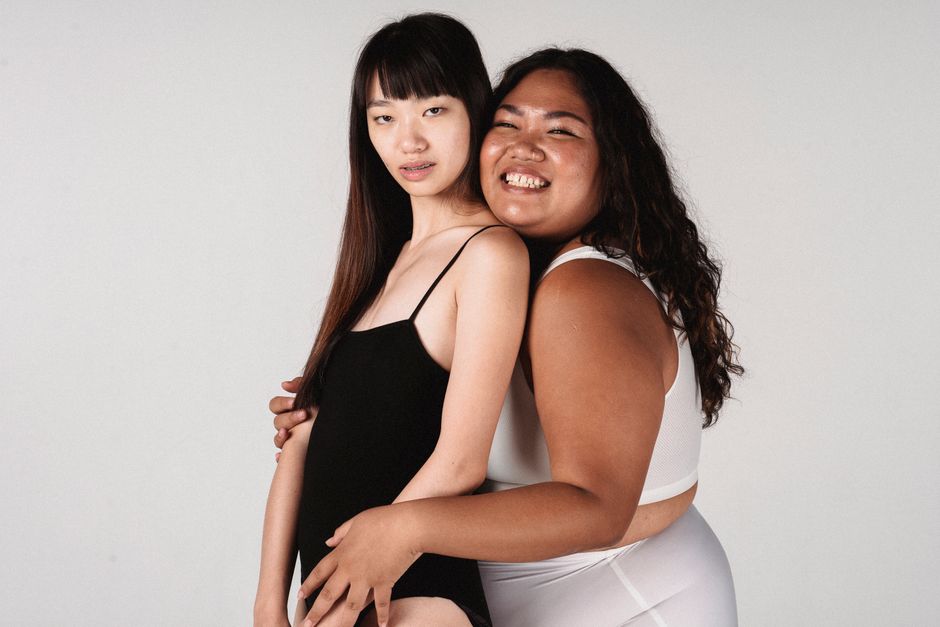
Many shoppers still treat inclusive sizing as a temporary trend, like a color forecast or a seasonal hemline. That view misses the real issue. Clothing only works when it fits the body it claims to serve. A larger size label cannot fix a narrow sleeve, a shallow rise, or a waistband that ignores how bodies change shape. Inclusive sizing matters because it connects design, access, comfort, and dignity. The smartest way to support it as a shopper is to look past the biggest number on a size chart and judge the full fit system.
Why Inclusive Sizing Is a Fit Issue, Not a Trend
More sizes do not always mean more inclusion
A brand can advertise sizes 00 to 30 and still provide a poor experience for many customers. The range may appear only in a few basic colors. Larger sizes may use different fabrics, shorter hems, weaker elastic, or a separate online-only collection. That creates access on paper but frustration at checkout.
Good sizing starts with the pattern
Designers must account for more than circumference. They need to adjust shoulder width, bust placement, sleeve openings, thigh room, front rise, back rise, pocket size, and fabric recovery. A garment that simply scales every measurement upward will often pull across the bust or twist at the hip. The clear verdict is simple: judge inclusion by how many body shapes a brand serves well, not by the maximum size printed in its menu.
What Size Inclusivity Changes for Shoppers
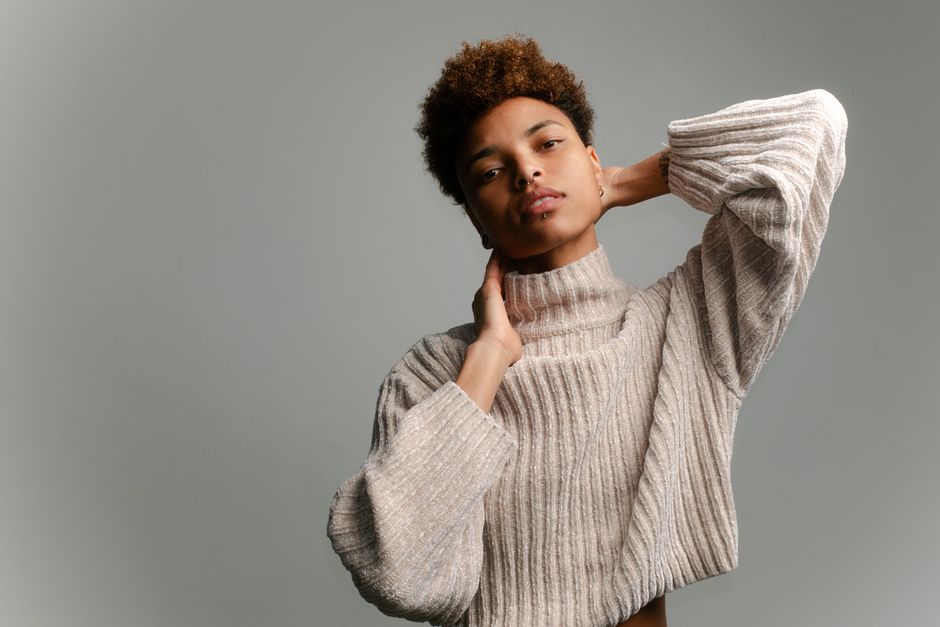
Body measurements beat familiar labels
Size labels do not follow one universal system. A US 16 from one brand may fit like a US 14 or US 18 elsewhere, and denim creates even more confusion because stretch changes the result. Measure your full bust, natural waist, fullest hip, and inside leg with a soft tape. Keep the tape level, allow normal breathing room, and record the numbers in inches or centimeters. Compare those measurements with the garment chart, not with the size you bought last month.
Fit is shaped by movement
A garment can match your static measurements and still fail when you sit, reach, walk, or lift your arms. Look for notes about stretch percentage, fabric weight, rise length, and intended ease. A fitted knit usually needs recovery after movement. A rigid cotton trouser needs more room through the seat and thigh. A coat needs enough space for the layers you will wear underneath.
Access affects personal style
When brands offer a narrow size range, shoppers often buy whatever fits instead of what reflects their taste. That limits experimentation and pushes people toward emergency purchases before weddings, interviews, or holidays. Broader, reliable sizing gives shoppers room to build a wardrobe around color, fabric, and proportion. That is why inclusion changes fashion choice itself, not only the checkout experience.
How to Check a Brand’s Size Range Before Buying
Use this short process before you add an item to your cart. It takes a few minutes and exposes most sizing problems early.
Use a five-minute fit check
- Find the brand’s current size chart and write down the bust, waist, and hip measurements for your likely size.
- Check the product page separately. An item chart may differ from the general chart.
- Read the fabric details. Note stretch, lining, thickness, and washing instructions.
- Inspect the fit description. Words such as relaxed, slim, straight, and oversized should match the garment photos.
- Scan customer reviews for details about gaping buttons, tight arms, rolling waistbands, short hems, or inconsistent grading.
- Check the return policy before ordering. A broad size range has less value if returns cost a large fee or exclude sale items.
Know when to stop
Do not force a purchase when the chart omits key measurements, the photos show only one body type, or reviews repeatedly describe the same construction flaw. The best choice is to leave the item behind and search for a brand that gives enough information to make a confident decision. A discount does not compensate for a poor fit or an expensive return.
Compare Brand Size Signals, Not Just the Largest Number
A practical comparison
The brands below show why a size range needs context. These are useful reference points, not guarantees for every item. Collections, colors, cuts, and regions can change, so verify the individual product page.
| Brand | Example published range | Signal to inspect | Best shopping use |
|---|---|---|---|
| Universal Standard | 00–40 on core lines | Garment measurements and consistent core sizing | Building wardrobe basics across a wide range |
| Good American | 00–32 on many collections | Denim rise, stretch, and hip-to-waist proportion | Jeans and body-aware fitted pieces |
| Old Navy | Selected styles up to 30 or 4X | Style-by-style availability and length options | Lower-cost everyday clothing |
| ASOS Curve | Commonly UK 16–46 on selected lines | Brand-specific charts and review fit notes | Testing different silhouettes and trend pieces |
Read the gaps behind the numbers
Universal Standard is the strongest example here for shoppers who want a broad core range with fewer category gaps. Good American earns the clearest pick for stretch denim because the hip, rise, and recovery details matter as much as the waist number. Old Navy can win on price and variety, but availability changes sharply by item. ASOS Curve offers more silhouette choices, yet its marketplace-style mix makes careful chart reading essential. My verdict: choose the brand with the most reliable fit information for the garment you need, not the brand with the largest headline range.
Why Expanded Sizes Must Include Better Construction
My strongest view: size expansion without construction upgrades is a half-finished solution. Larger bodies do not need a different standard of style, but some garments do need different engineering to stay comfortable and durable.
Look for the details that carry stress
Check shoulder seams, button spacing, pocket placement, waistband width, and the strength of closures. On trousers, sit down and look for pulling across the front or a waistband that folds at the back. On shirts, raise both arms. If the hem climbs sharply or the sleeve cuts into your upper arm, the pattern needs work. On dresses, examine the lining and the seam allowance. Thin fabric can cling, while a stable lining can improve movement and drape.
Do not reward a label that creates new problems
A brand should not receive full credit for offering your size if the only option uses cheap fabric, limited colors, or a distorted cut. Watch for size-specific complaints that appear again and again. Also question garments that rely on extreme compression to create a neat product photo. Comfort, recovery, and ease matter more than a temporary smooth look. For shoppers comparing two similar items, the better purchase is the one with stronger seams, clearer measurements, and a return policy that protects the customer.
Inclusive Sizing Questions Shoppers Still Ask

Is extended sizing enough?
No. Extended sizing describes the number range, while inclusive sizing also covers design, stock, price, color choice, and customer service. A brand that adds sizes only after a collection sells out has not created dependable access. Look for the same styles, materials, and delivery options across the range.
How can I tell if an item will fit?
Start with the garment measurements and fabric content. Compare them with a similar item in your closet that fits well. Measure that item flat across the chest, waist, or hip, then double the number and compare it with the product details. Review photos from different angles and search comments for movement problems rather than vague praise.
Should I buy from a brand with limited sizes?
Buy only when the item solves a specific wardrobe need and the brand gives enough information to judge fit. Do not treat a limited range as a personal failure or spend hours altering a garment that never matched your proportions. Supporting inclusive brands remains the clearest long-term choice because demand follows dependable access.
The most important takeaway is this: real inclusive sizing means reliable fit, construction, availability, and respect across the entire size range.